Behind Indonesia’s ICAO Council Victory: Batik Diplomacy and a Daily Presence
JAKARTA, JakartaWeekly.com— After 25 years, Indonesia has finally returned to the Council of the International Civil Aviation Organization (ICAO). Behind the achievement was a diplomatic strategy aimed at securing the support of member states.
Indonesia’s campaign for a seat on the ICAO Council extended beyond diplomatic meetings and bilateral talks.
The country also relied on a more personal approach to engaging delegates, from introducing Indonesian culture to ensuring that its representatives were present at various activities every day.
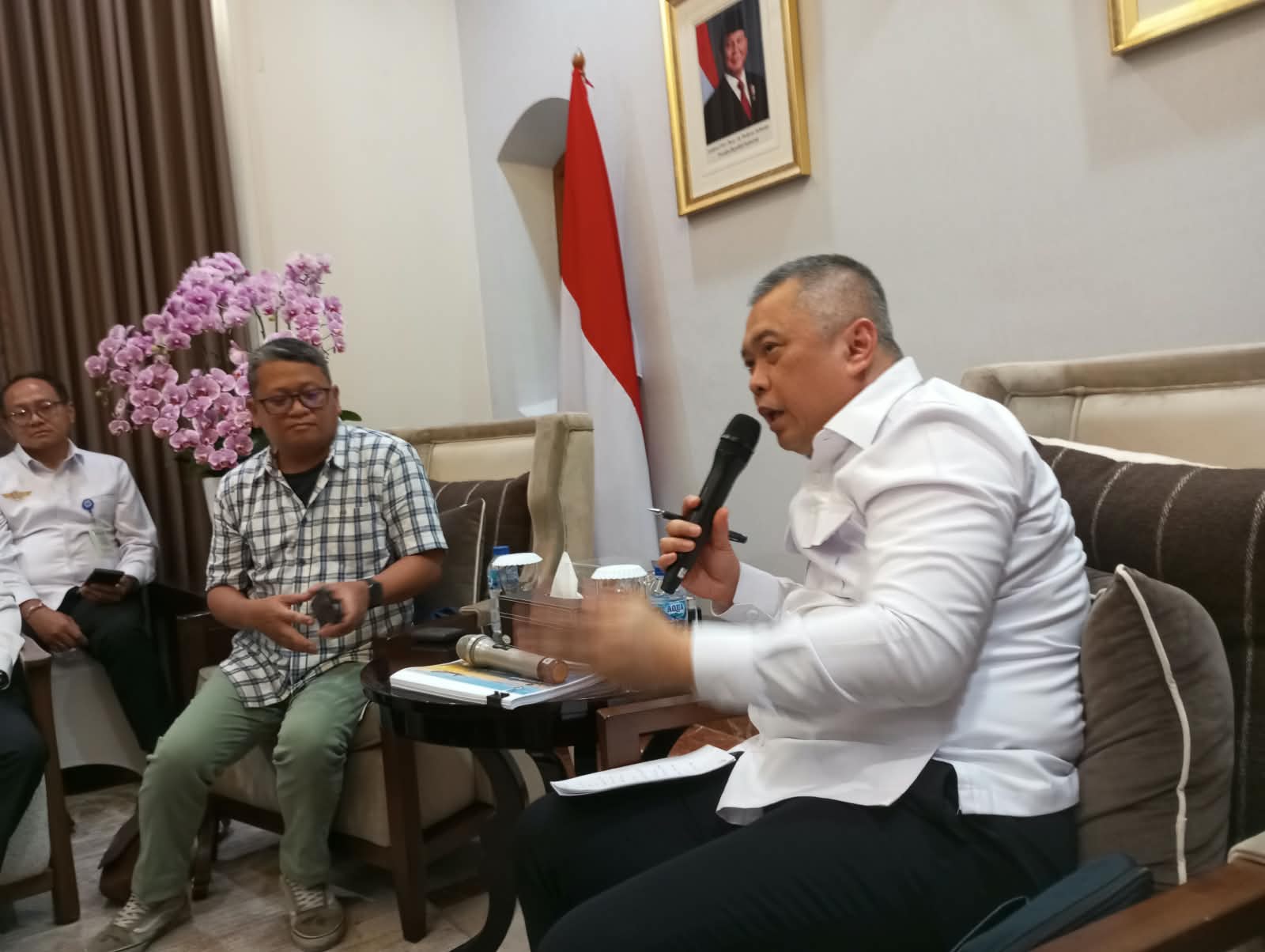
Transportation Minister Dudy Purwagandhi recounted several strategies Indonesia employed during its campaign for a seat on the ICAO Council. One of them was ensuring that the Indonesian delegation remained actively present among participants throughout the event, allowing representatives of other countries to interact directly with them.
According to Dudy, this approach reflected lessons learned from previous attempts. Indonesia last held a seat on the ICAO Council in 2001. After several unsuccessful bids, the government reviewed its strategy to improve the country’s chances of securing a seat.
“When it comes to campaigning, we have to be present at all times,” Dudy said, describing the approach adopted during the campaign.
This presence extended beyond official meetings. The Indonesian delegation also took part in various activities, including breakfast, lunch, dinner, receptions, and other events that brought together representatives of different countries.
Dudy even paid close attention to the venues chosen for these activities. He did not want events hosted by Indonesia to require delegates to leave the building where the main proceedings were taking place.
On one occasion, he rejected a plan to hold a luncheon in a neighboring building. He believed the location could discourage delegates from attending because they would have to move to another venue.
“Not in the neighboring building. If we hold it there, people might not come. We have to go to them. We shouldn’t ask them to come to us,” he said.
For Dudy, this strategy was important because Indonesia needed support from countries with voting rights. The Indonesian delegation therefore had to make it easy for participants to interact with its representatives and learn more about the country.
The approach also took into account differences in how individual countries make their voting decisions. Some countries allow the delegates attending the event to decide how to vote, while others leave the decision to their respective central governments.
Given these differences, Indonesia did not rely solely on communication through its diplomatic representatives in friendly countries. Direct engagement with delegates attending the ICAO Assembly also became an integral part of its strategy.
Batik as a Tool of Diplomacy
Alongside maintaining a constant presence, Indonesia introduced its national culture to delegates. Batik, handicrafts, and artistic performances were all part of the effort.
Dudy said Indonesia showcased various cultural elements to help other countries get to know Indonesia not only through its aviation sector but also through its cultural heritage.
At certain events, Indonesia presented batik and a range of handicrafts. Musical performances and appearances by Indonesian singers were also part of the program.
He recalled that the appearance of singer Anggun at one event came as a surprise to several delegates. According to Dudy, some country representatives, particularly those from Africa, recognized Anggun as an international singer.
However, they were not necessarily aware that she was from Indonesia.
Indonesia also invited other singers to perform at events organized for delegates. Dudy said that at one reception, he even asked the performers to sing without any accompanying remarks from the organizers.
The aim was to allow guests to enjoy their meals and the musical performances without interruption.
This cultural approach was one way Indonesia introduced its national identity during the diplomatic campaign. According to Dudy, campaigning did not always have to involve discussions about the aviation sector.
At times, the presence of Indonesian representatives and the experiences delegates had during the events could also serve as a means of introducing the country.
A similar approach was evident on voting day. Dudy asked all Indonesian delegates to wear batik instead of the suits normally worn at formal events.
He also instructed the delegates not to gather in one place. Instead, they were asked to spread out across different parts of the building so that other participants could see the Indonesian representatives.
“All of our delegates actually wore batik,” he said.
From 20 to 110 Votes
The strategy was implemented when support for Indonesia’s candidacy was still limited. Dudy said Indonesia had secured support from only around 20 countries in the period leading up to the delegation’s departure.
That figure was still well below the number needed to win the election. According to the estimate he shared, Indonesia needed approximately 80 votes from countries entitled to vote.
Support subsequently increased through diplomatic efforts by Indonesian representatives overseas and delegates engaging directly with participants at the election venue.
By the time the Indonesian delegation arrived, the country had secured around 60 votes. Following further meetings and engagement, Indonesia ultimately received 110 votes.
Dudy said the result exceeded the government’s earlier expectations.
In the election, Indonesia competed against Kazakhstan and Thailand. The contest also involved regional interests in Asia, as Thailand was another candidate from the same region.
According to Dudy, one of the points Indonesia sought to demonstrate to other countries was the involvement of the entire national aviation ecosystem.
The Indonesian delegation was made up not only of regulators but also business representatives and other stakeholders. This composition enabled Indonesia to explain various aspects of its aviation industry, ranging from policymaking to airport and airline management.
He said the involvement of multiple stakeholders allowed Indonesia to provide more comprehensive answers to questions from other countries.
The 110-vote victory was the outcome of a series of engagement efforts throughout the campaign. For Dudy, however, securing a seat on the ICAO Council was more than just a diplomatic achievement.
Membership also brings the responsibility of demonstrating Indonesia’s ability to contribute to the development of international civil aviation.
Discover more