Hospital Transformation Toward 2030: Persi Calls for a Shift in Management Models
TANGERANG, JakartaWeekly.com—Hospitals in Indonesia are facing growing demands to transform their operational management, ranging from improving service quality and patient safety to accelerating digital transformation and using resources more efficiently.
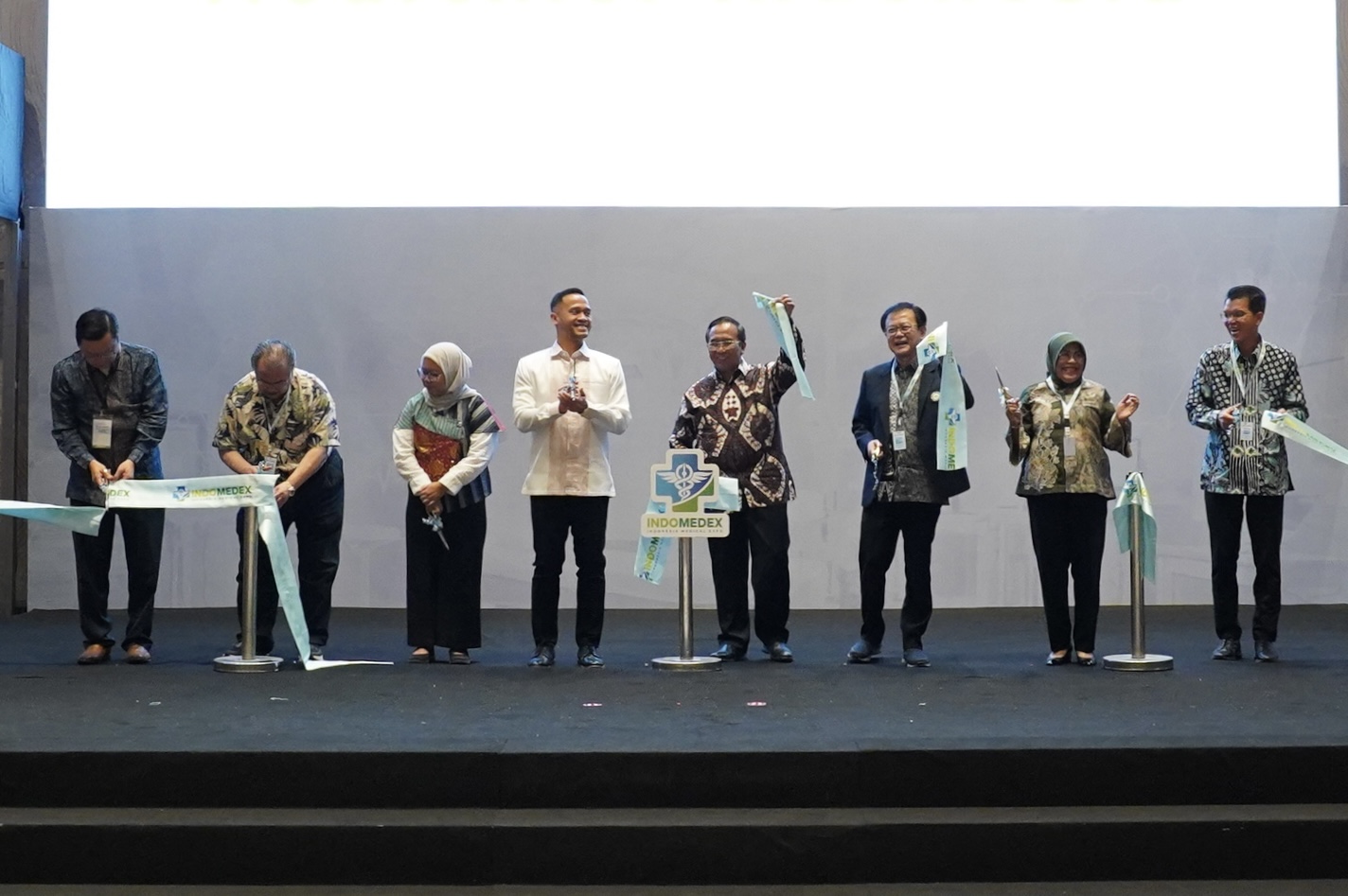
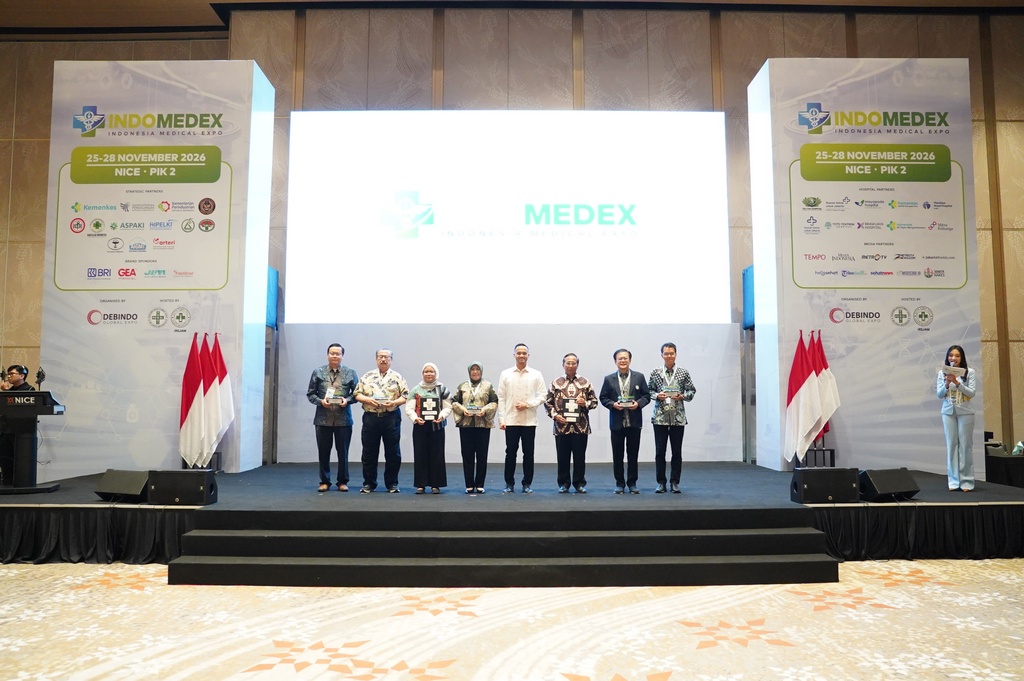
These challenges were among the topics discussed at a seminar titled Hospital Transformation 2030: From Cost Center to Data Driver and Sustainable Hospital, held as part of the Indonesia Medical Expo (INDOMEDEX) 2026.
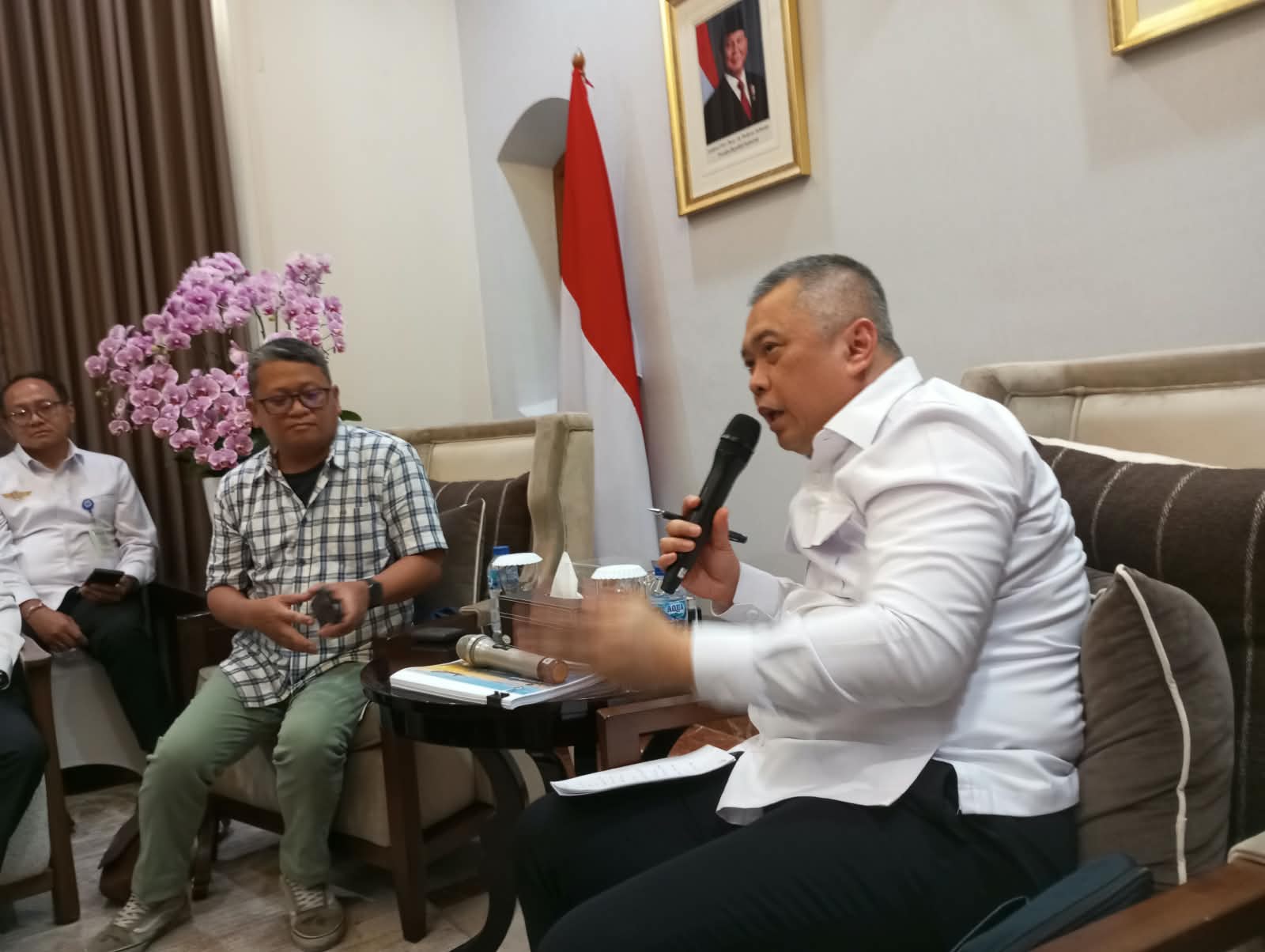
Chairman of the Indonesian Hospital Association (Persi), Yanuar Jak, said hospital management needed to adopt more adaptive approaches to address changing demands in healthcare services.
He said hospitals could no longer rely on traditional management models to meet future healthcare needs.
“Hospital management is currently facing increasingly complex challenges,” Yanuar said in Tangerang during the opening of INDOMEDEX 2026.
He explained that these challenges include improving service quality and patient safety, implementing digital transformation, and managing human resources.
Hospitals must also pay attention to operational efficiency to ensure the sustainable delivery of healthcare services.
In his remarks, Yanuar highlighted how hospitals have traditionally been viewed as cost centers. Under this model, hospitals are largely seen as institutions that require substantial operational funding to maintain their services.
He argued that hospital management approaches needed to change in response to the increasingly complex challenges facing the healthcare sector.
According to Yanuar, the theme of hospital transformation toward 2030 highlights the need to move beyond this model toward management practices that place greater emphasis on data and sustainability.
Yanuar also stressed that hospital transformation cannot be achieved solely through technological upgrades. Such changes must begin with a shift in mindset among hospital managers and stakeholders.
“True transformation does not begin with sophisticated systems alone, but with the courage to change our mindset,” he said.
The discussion on hospital management transformation was part of an effort to bring together healthcare practitioners and hospital leaders to exchange experiences and discuss the challenges they face. The seminar was designed as a forum for discussion and collaboration among healthcare professionals.
Yanuar expressed hope that the event would help strengthen hospital managers’ capacity to respond to changing healthcare needs. Participants were also expected to gain practical insights that could be applied within their respective departments and institutions.
Nearly 500 Participants from Several Indonesian Provinces
The hospital transformation seminar toward 2030 attracted nearly 500 participants from various provinces across Indonesia. Yanuar said attendees came from several regions, including Sumatra, Kalimantan, and Sulawesi.
Participants included healthcare practitioners, hospital executives, and hospital owners. Their attendance brought together stakeholders from different regions to discuss changes in hospital management.
Yanuar also noted that participation in the seminar was free of charge, with no registration fees required.
INDOMEDEX Brings Healthcare Industry Stakeholders Together
In addition to the hospital transformation seminar, INDOMEDEX 2026 also serves as a meeting platform for stakeholders across the healthcare industry.
Director of PT Debindo Global Expo, Rafidi Iqra Muhamad, said the healthcare industry was closely connected to various sectors, including medical services, technology, medical devices, pharmaceuticals, infrastructure, and human resources.
According to Rafidi, growing public healthcare needs and advances in medical technology mean that industry development requires the involvement of multiple stakeholders. Collaboration among the government, hospitals, manufacturers, distributors, associations, and industry players is essential to supporting the sector’s development.
“The healthcare industry is one of the strategic sectors in national development,” Rafidi said.
He explained that INDOMEDEX was organized to bring together various stakeholders across the healthcare industry ecosystem. The exhibition not only showcases medical products and technologies but also provides a platform for industry players to establish business relationships and explore cooperation opportunities.
Rafidi said the exhibition was expected to connect industry needs with available solutions. It was also intended to create opportunities for business engagement and investment among stakeholders in the healthcare sector.
“An exhibition should be able to connect needs with solutions and make a positive contribution to industry development,” he said.
Discover more