Indonesia to Restrict Three-Axle Trucks During Christmas and New Year Holiday Period
JAKARTA, JakartaWeekly.com— The government will impose restrictions on the operation of three-axle trucks from December 18, 2026, to January 5, 2027, during the Christmas and New Year holiday period. Unlike previous years, the government will not allow designated operating windows (window time) for these vehicles to travel.
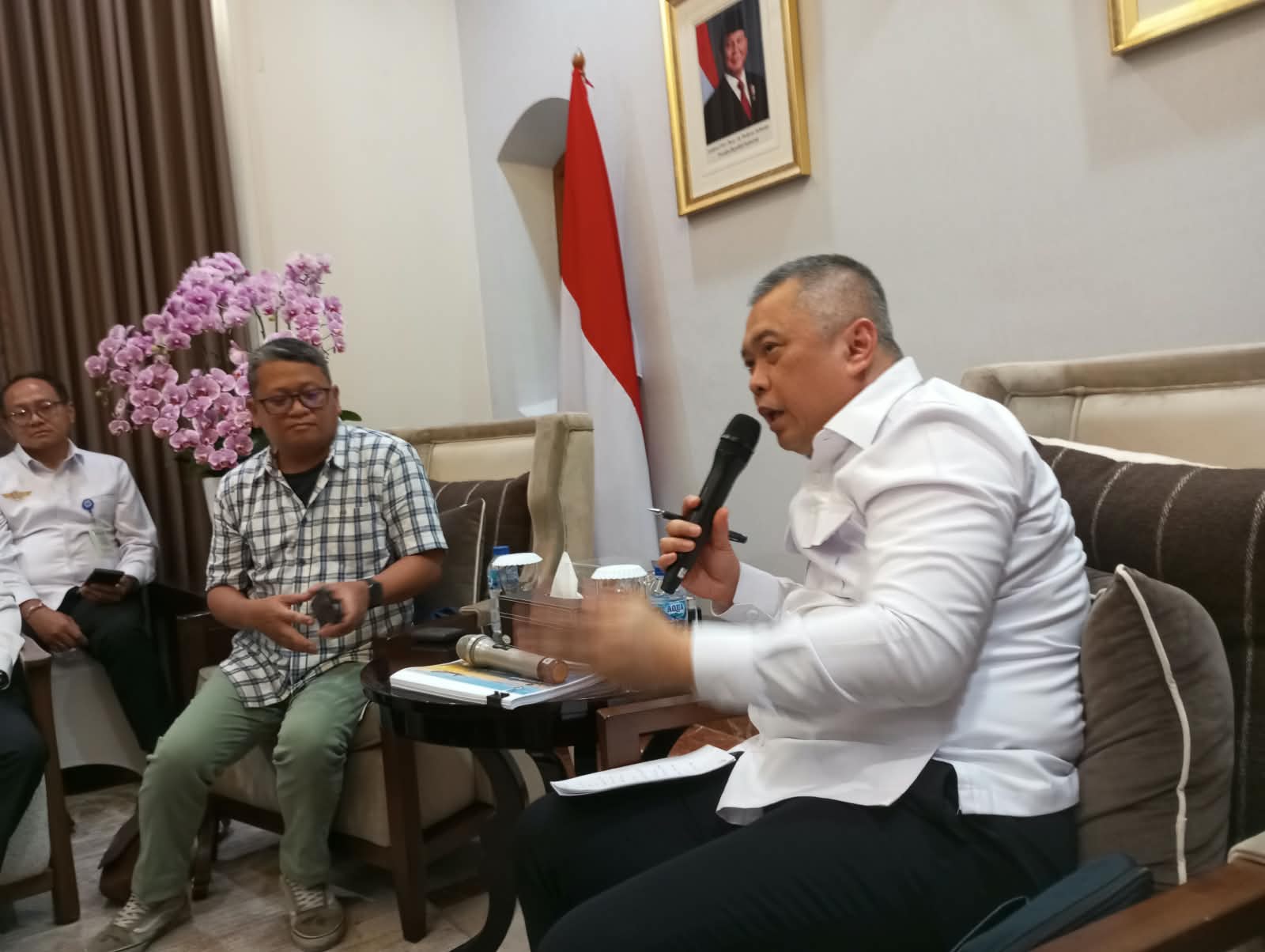
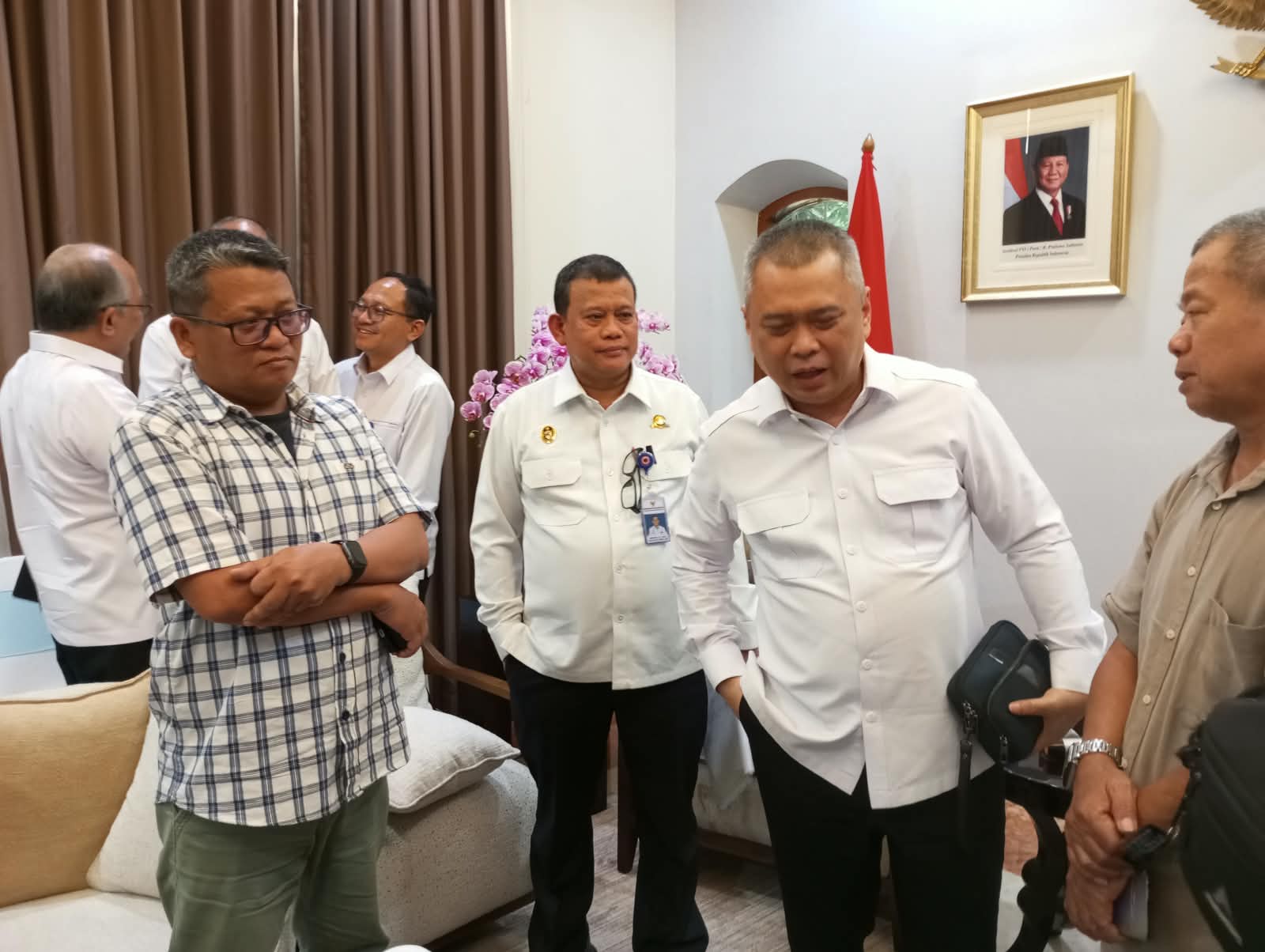
Transportation Minister Dudy Purwagandhi announced the policy during a meeting with journalists in Jakarta on Tuesday, November 24, 2026. He said an official decree outlining the restrictions would be issued soon.
According to Dudy, the restrictions on heavy vehicles will apply nationwide and are intended to ensure public safety during the Christmas and New Year holiday period.
“We ask for the public’s understanding. This is in the public interest,” the minister said.
Dudy stressed that public safety was the government’s primary consideration in introducing the restrictions. The Christmas and New Year holidays, as well as the Eid al-Fitr holiday period, are typically accompanied by increased public mobility.
He said many road accidents involve three-axle vehicles. The government is therefore seeking to minimize the risk of accidents during periods of increased travel.
He illustrated the risk by describing situations in which three-axle trucks travel in a line at around 40 kilometers per hour, while vehicles behind them may be traveling at approximately 100 kilometers per hour.
The risk of tire blowouts is another concern, as such incidents can cause further traffic disruptions.
The restrictions will apply not only to freight vehicles with three or more axles but also to trucks transporting soil, sand, stone, iron, cement, and timber.
Meanwhile, essential goods such as staple food supplies, fuel, livestock, and fertilizer may still be transported using smaller vehicles. Vehicles with three or more axles will not be allowed to carry these commodities during the restriction period.
The government will also discontinue window time arrangements for freight vehicles because the system has made traffic management more difficult for officers in the field.
“We will no longer provide window time because it creates difficulties for officers in the field,” Dudy said.
He explained that when window time arrangements were implemented last year, officers struggled to regulate vehicles traveling on the roads. This ultimately led to traffic congestion.
Dudy said the arrangement had been introduced during previous holiday periods. However, its implementation was inconsistent because many businesses failed to comply with the agreed operating schedules.
According to him, this made it more difficult for officers to manage freight vehicles on the roads.
Dudy acknowledged that businesses were seeking to meet their sales targets toward the end of the year. However, freight transport restrictions during the Christmas and New Year and Eid holiday periods have been imposed repeatedly, meaning businesses should already be able to anticipate them.
He said businesses could arrange earlier deliveries to ensure adequate supplies before restrictions on vehicles with three or more axles take effect.
Dudy expressed hope that the public would continue to receive adequate transportation services throughout the Christmas and New Year holiday period. He said the restrictions were among the measures intended to ensure smoother journeys for travelers.
Public Mobility and Holiday Preparations
Regarding public mobility, Dudy said the government had received the results of a survey on travel movements during the Christmas and New Year holiday period. The survey findings are usually presented to the Coordinating Minister for Community Empowerment (Menko PMK), who leads the coordination.
He said he could not yet disclose the survey details, as the Coordinating Minister would make the official announcement.
Nevertheless, Dudy noted that public mobility was expected to increase compared with the previous year. The increase was recorded across several modes of transportation.
According to him, most travel movements remained concentrated on Java. Private vehicle use also accounted for a relatively large share, reaching 66%.
He explained that improving infrastructure, particularly on Java and Sumatra, had encouraged more people to travel by private car. This was one of the factors shaping travel patterns ahead of the holiday period.
To support public travel, the government is also preparing several incentives, as it has done in previous years. These include a free homecoming travel program and toll road discounts.
Weather conditions are another concern, as the holiday period coincides with the rainy season. Dudy has instructed the relevant directorates to prepare transportation facilities and infrastructure to address potential weather-related challenges.
The government will also conduct vehicle and equipment inspections (ramp checks) to ensure that all modes of transportation meet operational safety requirements. The health and fitness of transportation crews will also be assessed as part of the inspections.
Several regions have been identified as areas of particular concern, including Batam, North Sumatra, East Kalimantan, Central Kalimantan, North Sulawesi, South Sulawesi, Bali, the Nusa Tenggara islands, Maluku, and Papua.
According to Dudy, travel frequencies in these regions tend to increase during the Christmas and New Year holiday period.
The government is also paying particular attention to the Ketapang-Gilimanuk ferry crossing. Dudy said traffic surges on the route had occurred during several holiday periods, coinciding with the operation of toll road sections extending toward Banyuwangi and Situbondo.
Discover more