Honda Motorcycle Sales Projected to Approach 5.2 Million Units by End of 2026
TANGERANG, JakartaWeekly.com— PT Astra Honda Motor (AHM) projects Honda motorcycle sales to approach 5.2 million units in 2026. The projection is based on sales figures through October 2026, which had reached 4.4 million units.
AHM Marketing Director Octavianus Dwi said the final sales figure for the year would depend on market developments in November and December. He said the company still had a chance of reaching nearly 5.2 million units.
He explained that this year’s sales pattern was slightly different from the usual trend. Retail sales were marginally higher than wholesales. Normally, wholesales exceed retail sales, but the two figures were nearly equal this year.
“This year, we should be able to set a new record [in retail sales],” he said in Tangerang on Friday, November 20, 2026.
He said several factors had influenced the motorcycle market throughout the year. In the first quarter of 2026, the impact of the Free Nutritious Meals (MBG) program began to be felt.
In the second quarter, growth in the manufacturing sector also contributed to market conditions. Other supporting factors included changes in regional budget allocations and the resumption of local government meetings and events, which had previously been restricted.
Commodity prices, which remained relatively favorable and stable, were also cited as a factor supporting the motorcycle market.
Meanwhile, market conditions in the third quarter of 2026 were considered more challenging amid global volatility. Nevertheless, Octavianus expected the motorcycle market to continue benefiting from several of the factors mentioned earlier.
He noted that the manufacturing Purchasing Managers’ Index (PMI) remained above 50, while commodity prices were also stable. Local governments were also expected to accelerate budget realization in the third and fourth quarters of 2026, which could help support consumer purchasing power.
Sales Composition and Trends
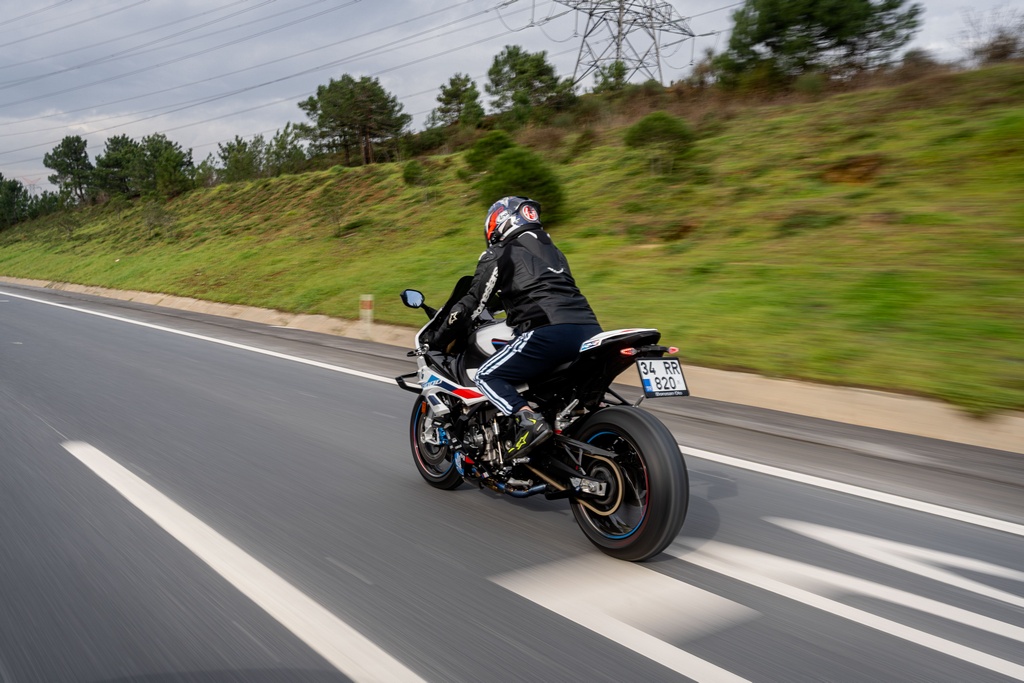
By motorcycle category, Octavianus said scooters accounted for more than 90% of sales. Underbone motorcycles were estimated to contribute around 5%, while sport motorcycles accounted for a smaller share.
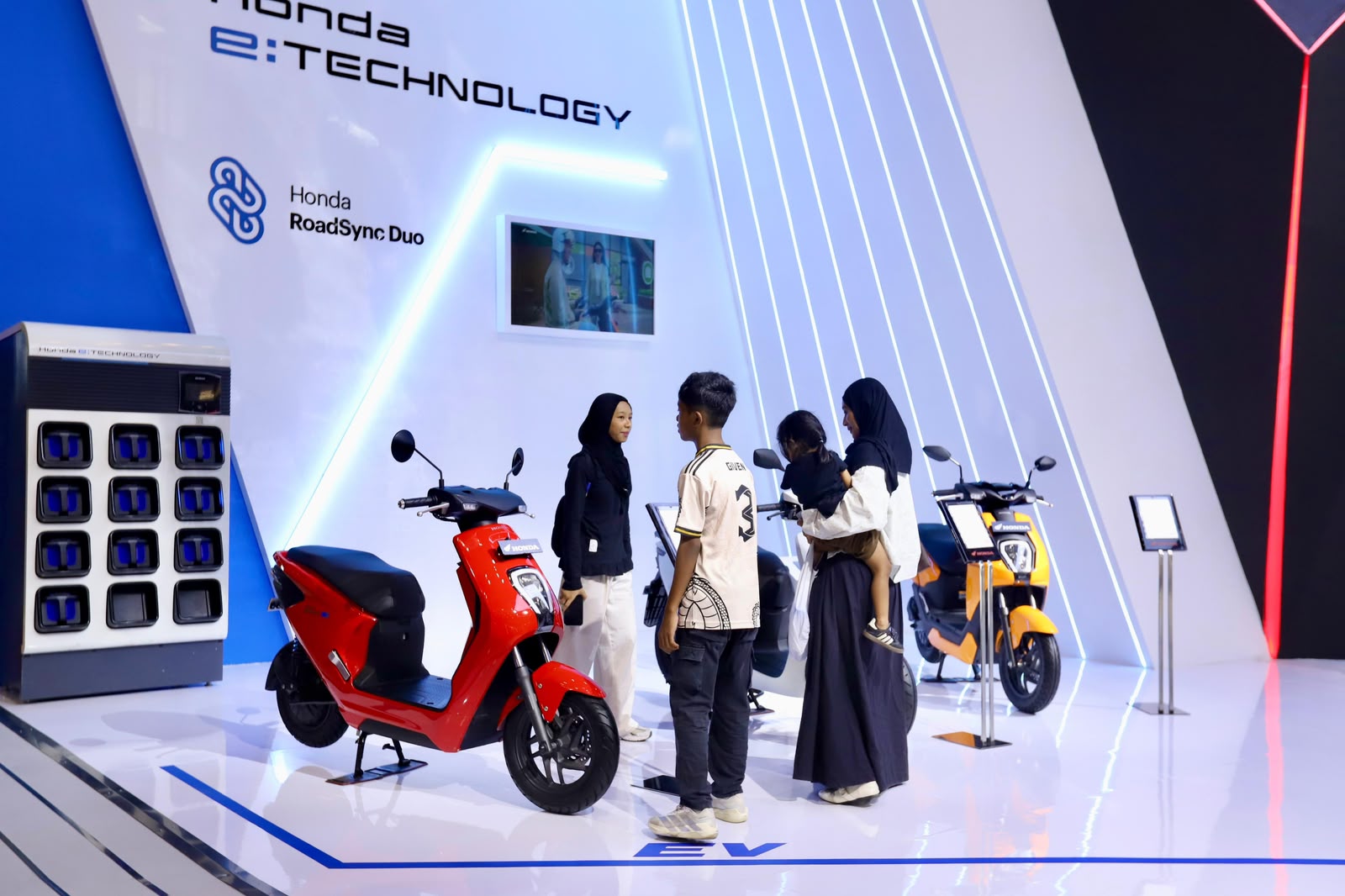
As for electric motorcycles, he said sales had shown an upward trend in recent months. However, their contribution to total sales remained relatively small. AHM continued to sell electric motorcycles, although volumes were still limited.
Asked about the possibility of consumers switching from cars to motorcycles, Octavianus explained that motorcycles could serve as an additional vehicle for households.
He said this did not necessarily mean consumers were selling their cars to buy motorcycles. Instead, households could add a motorcycle to have more options for different mobility needs. They could use a car for some trips and a motorcycle for others.
This meant that a household could use both a car and a motorcycle to meet its transportation needs.
Fuel Efficiency Technology and E20 Readiness
Regarding the development of more fuel-efficient motorcycle technology, Octavianus said such improvements were technically feasible. However, their implementation required careful consideration, as greater efficiency could involve adjustments to vehicle performance and pricing.
He said AHM needed to weigh the potential fuel savings for consumers against the costs of implementing new technology. The company also aimed to ensure that improvements in efficiency would not compromise the performance expected by consumers.
Octavianus said AHM continued to develop such technology. He hoped new technologies to improve fuel efficiency could be introduced within the next few years, or possibly sooner.
On the use of fuel containing 20% ethanol, known as E20, Octavianus said Honda motorcycles had undergone internal testing for compatibility with the fuel.
According to him, almost all Honda motorcycle models had been tested internally, with no issues identified. However, the implementation of E20 would depend on the government’s regulations and any required testing by an officially recognized and credible institution.
He explained that E20 was different from the development of engine technology to improve fuel efficiency. E20 involved a fuel blend containing ethanol and fossil fuel, whereas technological improvements in efficiency required changes to engine technology.
Material Costs and Motorcycle Prices
Meanwhile, commenting on the weakening of the rupiah, Octavianus acknowledged that it had an impact on the industry. He said the challenges surrounding material costs in the motorcycle industry involved two aspects: cost and supply availability.
AHM was working to ensure that its material requirements could be met while keeping costs at manageable levels. He said increases in material costs were not necessarily passed on entirely to consumers through higher vehicle prices.
The company, he added, took consumer expectations into account to prevent price adjustments from becoming too burdensome. Financing schemes were also among the factors being considered.
Regarding possible price adjustments, Octavianus said these could affect consumers’ monthly installments. He estimated that a 1%–2% increase in motorcycle prices could raise monthly installments by around Rp7,000–Rp10,000.
Discover more