Indonesia Supply Chain 2026 Opens, Showcasing Logistics Technology
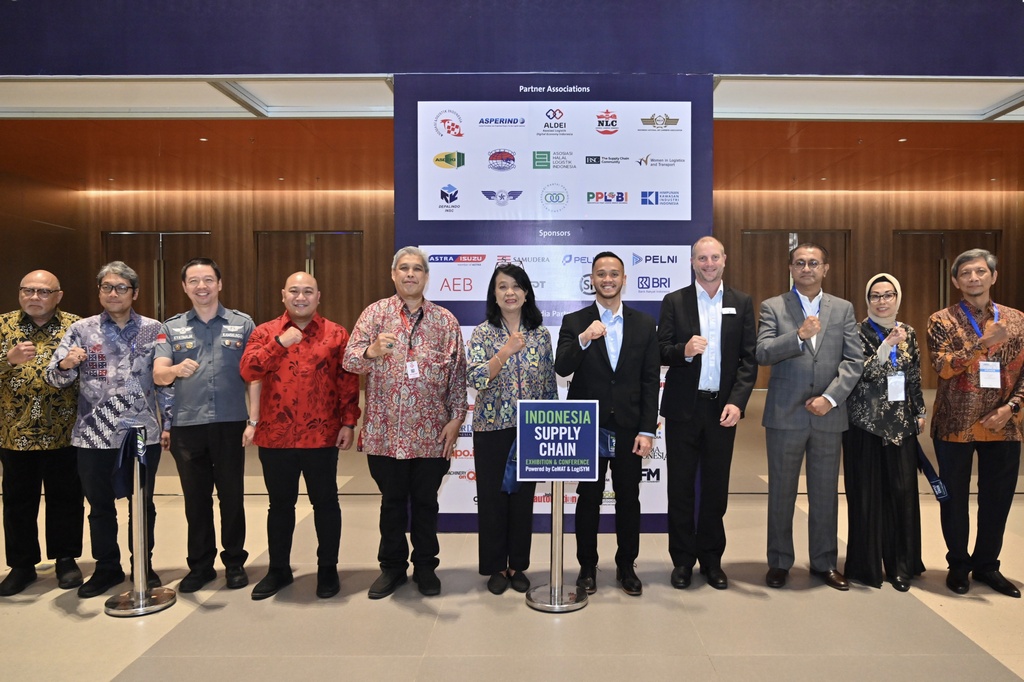
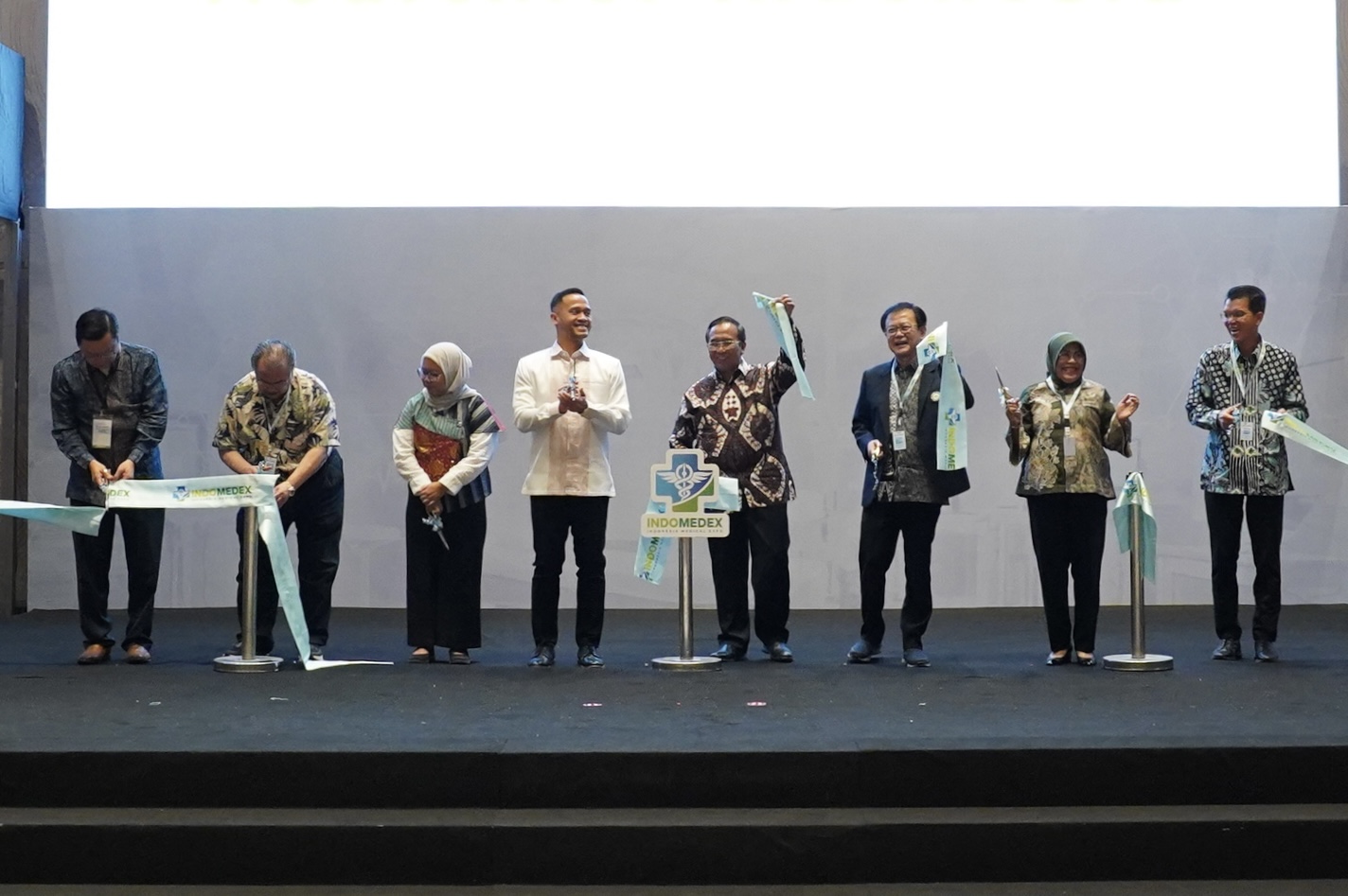
TANGERANG, JakartaWeekly.com—Indonesia Supply Chain 2026 officially opened at the Nusantara International Convention & Exhibition (NICE), PIK 2, Tangerang, on Wednesday (November 25, 2026).
Running through November 27, the exhibition showcases logistics technologies, warehouse automation, robotics, transportation, and digital supply chain management solutions.
Mike Nissen, Senior Commercial Director at Hannover Fairs Asia Pacific, said Indonesia Supply Chain was part of an effort to establish an internationally recognized industry platform in Indonesia.
The exhibition brings together domestic industry players, technology providers, and international industry networks.
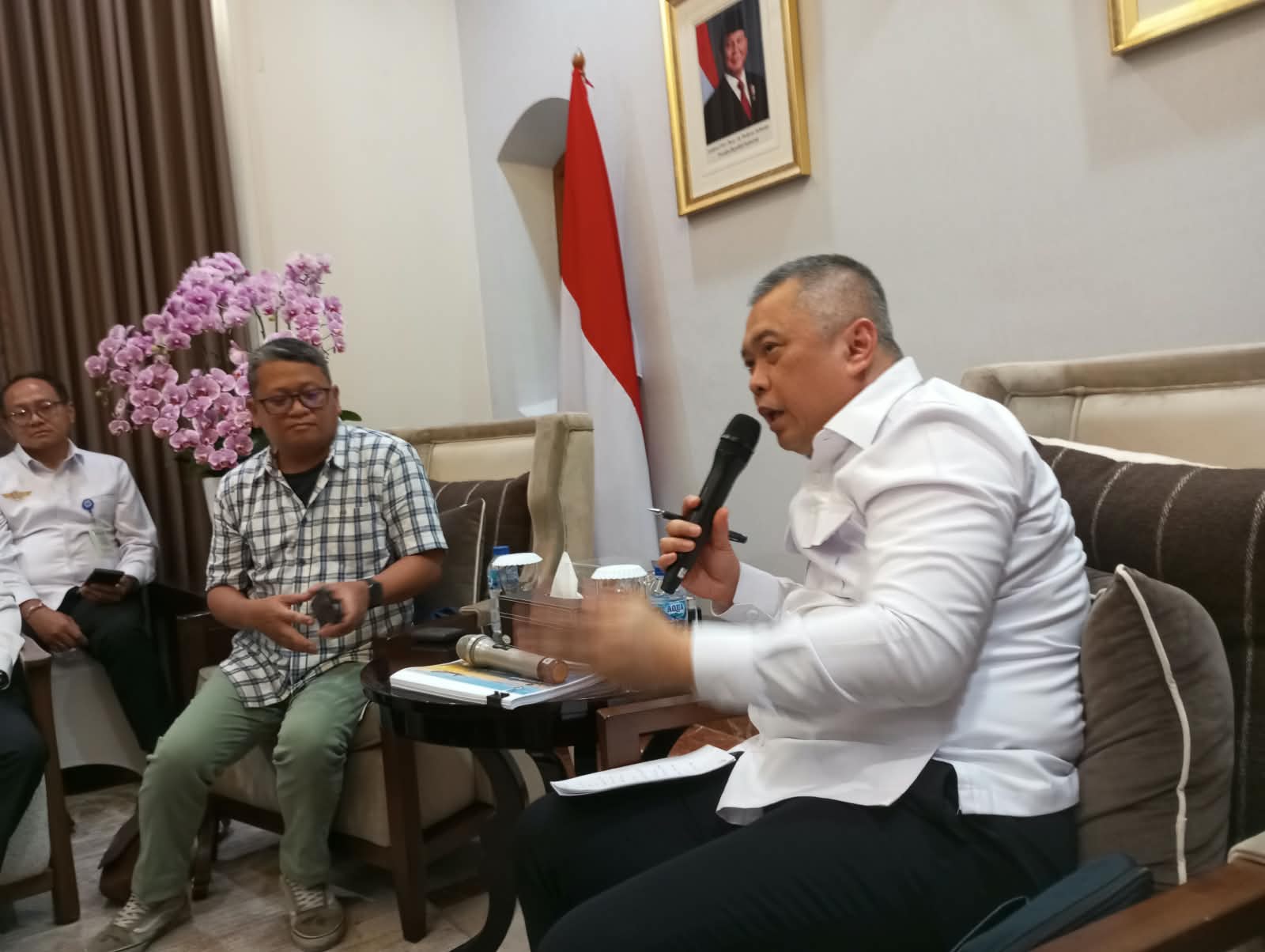
“Today, that promise becomes reality,” Nissen said in his remarks at the opening ceremony of Indonesia Supply Chain 2026, referring to an earlier commitment to bring a world-class exhibition to Indonesia.
Nissen explained that Indonesia holds an important position in the development of industry and the economy in Southeast Asia. He said a platform was needed to connect domestic industries with global developments and industry networks.
The exhibition, he added, serves as a platform to link domestic industries with global developments and international industry networks.
He also noted that Indonesia Supply Chain 2026 is organized by Deutsche Messe, Debindo Global Expo, and LogiSYM. The event brings together an international technology exhibition, the LogiSYM Indonesia Symposium, and the LogiSYM Awards Indonesia.
The exhibition is supported by CeMAT, Deutsche Messe’s international exhibition brand specializing in intralogistics and supply chain management. Meanwhile, LogiSYM is an international platform for knowledge exchange in the logistics and supply chain sectors.
Speaking at the same event, Rafidi Iqra Muhamad, Director of PT Debindo Global Expo, said Indonesia Supply Chain was organized in response to the need to connect different sectors within the industrial ecosystem.
These connections involve manufacturers, distributors, manufacturing companies, logistics service providers, and end users.
According to Rafidi, industries need more than just products and technology. They also require efficient distribution and logistics systems. For this reason, strengthening connections between upstream and downstream industries is one of the exhibition’s key focuses.
Indonesia Supply Chain 2026 features a range of technologies and solutions covering warehouse automation, robotics, material handling, freight transportation, manufacturing support, and digital supply chain management.
Participating companies include Daifuku, AEB, and Pelindo. Daifuku is known for providing automated material handling systems and intralogistics solutions, while AEB specializes in software for transportation management and international trade.
Other participants include Astra Isuzu, J&T Express, JingXing, Midea, EFL Global, and Samudera Indonesia. These companies represent various sectors, including logistics, manufacturing, transportation, and e-commerce.
The participation of companies from different sectors gives industry players an opportunity to explore technologies used in supply chain management. Visitors can also engage directly with solution providers and explore potential business partnerships.
Supply Chain Resilience and Halal Logistics on the Agenda
In addition to the technology exhibition, Indonesia Supply Chain 2026 features the LogiSYM Indonesia Symposium, taking place on November 25–26, 2026. The symposium brings together supply chain executives, logistics professionals, and industry experts to discuss challenges and developments affecting the sector.
Topics include supply chain resilience, sustainable transportation, the adoption of electric vehicles in logistics operations, halal supply chains, and changing operational requirements in Indonesia’s logistics industry.
One of the activities on the opening day was the signing of a Memorandum of Understanding (MoU) between HSC Alliance Sdn Bhd and PT Makmur Berkah Amanda Tbk, the developer and operator of Halal Industrial Park Sidoarjo.
The three-year agreement covers collaboration between halal industrial parks, investment promotion, access to international markets, halal raw material procurement networks, and the development of supply chain standards.
As part of the same event, HSC Alliance also signed a Product Marketing Cooperation Agreement with PT Zurich General Takaful Indonesia, also known as Zurich Syariah.
The agreement aims to develop Sharia-compliant risk protection for the logistics, manufacturing, and supply chain industries. Its coverage includes cargo transportation, commercial vehicles, industrial property, and earthquake-related risks.
In his remarks, Nissen also addressed the development of cooperation in the halal supply chain sector. He said Indonesia had opportunities to develop its halal logistics market and highlighted the signing of the two cooperation agreements.
Deputy Minister of Public Works Diana Kusumastuti also highlighted the importance of collaboration, knowledge exchange, and innovation in strengthening the national supply chain ecosystem.
She emphasized that events such as Indonesia Supply Chain 2026 play a role in expanding partnership networks and creating new business and investment opportunities to support industrial development in Indonesia.
LogiSYM Awards Scheduled for November 27
The Indonesia Supply Chain 2026 program also includes the LogiSYM Awards Indonesia 2026, scheduled for November 27, 2026. The awards are being organized in collaboration with the BSC Community.
Raymond Krishnan, President of The Logistics & Supply Chain Management Society, said the awards recognize organizations and individuals who have made significant contributions to the logistics and supply chain industries.
“Recognition of leadership, innovation, and digital transformation is essential to driving continuous improvement across the regional supply chain ecosystem,” Krishnan said.
The award categories cover corporate excellence, digital transformation, innovation, sustainability, and young leadership.
Discover more