Jakarta Raises 2027 Minimum Wage by 7.1%, but KSPI Demands More
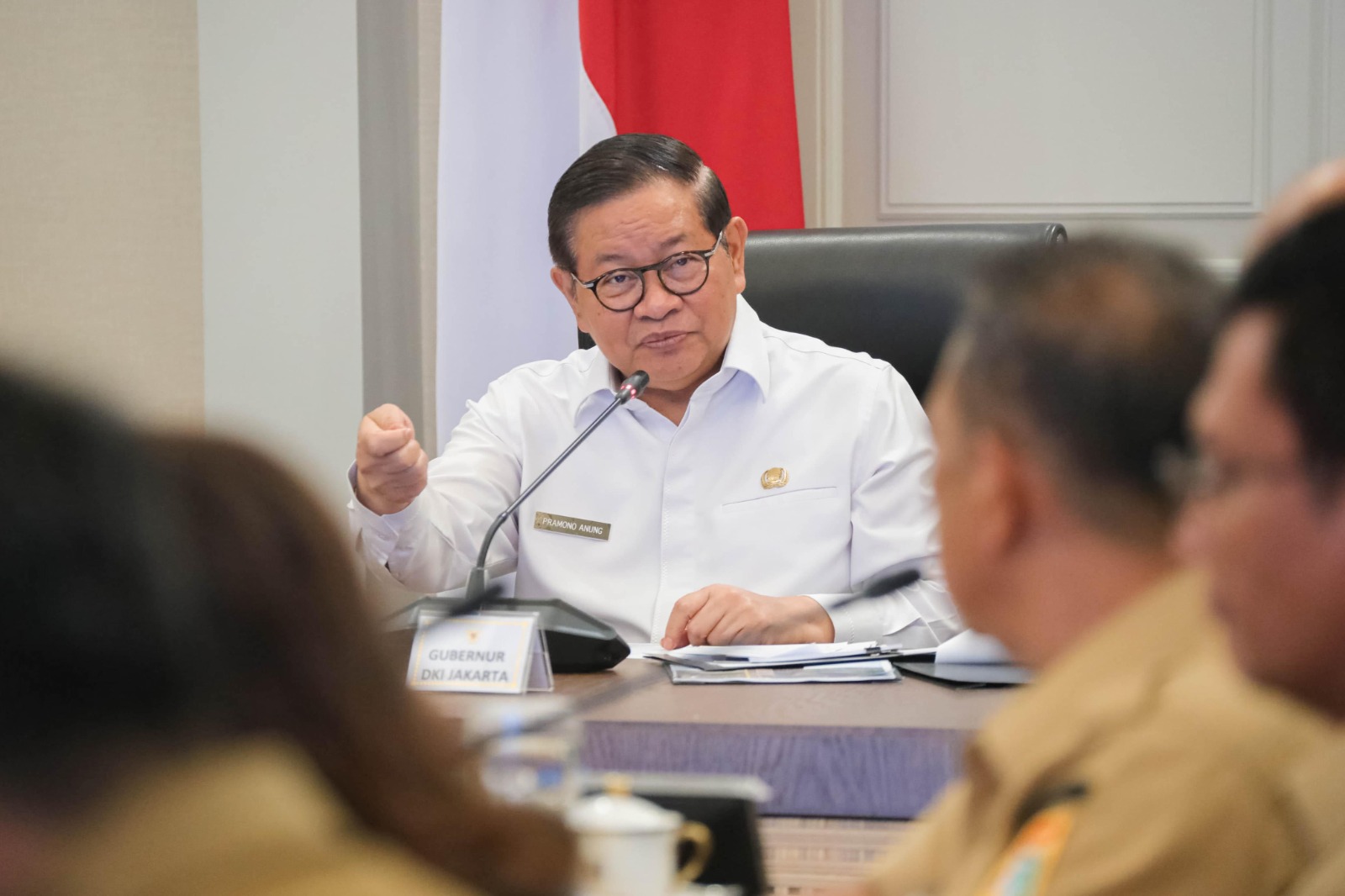
JAKARTA – Jakartaweekly.com. Jakarta Governor Pramono Anung has set the province’s 2027 minimum wage (UMP) at Rp6,136,941, representing a 7.1% increase from the 2026 rate of Rp5,729,876. However, the decision has drawn strong opposition from the Confederation of Indonesian Trade Unions (KSPI) and the Labour Party, which argue that the increase remains insufficient to meet workers’ living costs in the capital.
The new rate, stipulated under Jakarta Governor’s Decree No. 1270 of 2026, was signed by Pramono on Friday, 20 November. The increase amounts to Rp407,065 compared with the current minimum wage and will take effect in January 2027.
Pramono said the decision sought to balance workers’ welfare with the sustainability of businesses operating in Jakarta.
“This policy is intended to establish a fair wage system, provide certainty for workers, and maintain a conducive business climate,” he said.
The provincial government said the decision followed discussions within Jakarta’s Provincial Wage Council, which involved representatives from the government, workers and employers. The tripartite discussions took place over three days, with the parties considering several economic and employment indicators.
These included the cost of a decent standard of living, inflation, economic growth and the designated adjustment index, known as the alpha factor. The calculation also referred to Government Regulation No. 49 of 2025 on amendments to the national wage regulation.
Pramono said the discussions had been completed ahead of the 21 November deadline, following efforts to bridge differences between the parties.
He expressed hope that the increase would improve workers’ welfare without placing excessive pressure on businesses.
However, KSPI and the Labour Party have rejected the decision, saying the new minimum wage does not adequately reflect the cost of living in Jakarta.
KSPI President and Labour Party President Said Iqbal described the increase as insufficient, arguing that the new rate remains below the estimated decent living standard (KHL) in the capital.
“KSPI and the Labour Party firmly reject the announcement of the Jakarta Governor’s minimum wage decision. Once again, I emphasise that we firmly reject it,” Said said at a press conference in Jakarta on Friday.
He argued that minimum wage adjustments should account for workers’ daily expenses and the rising prices of goods and services. Said also questioned whether Jakarta’s minimum wage would remain competitive compared with neighbouring industrial areas such as Bekasi and Karawang.
According to his estimates, minimum wages in those areas could reach around Rp6.35 million in 2027 if they increase by 8%, potentially exceeding Jakarta’s newly announced rate.
Said also criticised the use of public assistance and subsidised facilities, including the Jakarta Smart Card (KJP), free public transport and basic-needs assistance, as considerations in assessing workers’ welfare. He argued that not all workers benefit from these programmes, while many still bear transportation costs and monthly vehicle instalments.
KSPI Seeks Rp6.21 Million Minimum Wage
Instead of the government’s decision, KSPI and the Labour Party are demanding that Jakarta revise the 2027 minimum wage to Rp6.21 million. Said said the figure reflected a proposal submitted by workers’ representatives to the Provincial Wage Council and supported by labour unions.
He said the proposal took into account Jakarta’s inflation rate of 3.01%, economic growth of 5.67% and an alpha factor of 1.0.
The union is also considering legal action if the provincial government refuses to revise the decision. According to Said, KSPI’s Jakarta leadership has discussed the possibility of challenging the governor’s decree at the State Administrative Court (PTUN), following the required administrative procedures.
Beyond legal action, KSPI plans to continue campaigning against the wage decision and has raised the possibility of holding repeated demonstrations outside Jakarta City Hall. The union also wants the Jakarta Regional House of Representatives (DPRD) to summon the governor to explain the basis for the new wage calculation.
The dispute places the provincial government’s attempt to balance workers’ purchasing power and business sustainability against labour groups’ demands for wages that more closely reflect the cost of living in Jakarta.
While the new UMP is scheduled to take effect in January 2027, KSPI is urging the provincial government to reconsider its decision before implementation.
Discover more