Jakarta Hotel Occupancy Remains Weak, 2–3% Below Q3 2025
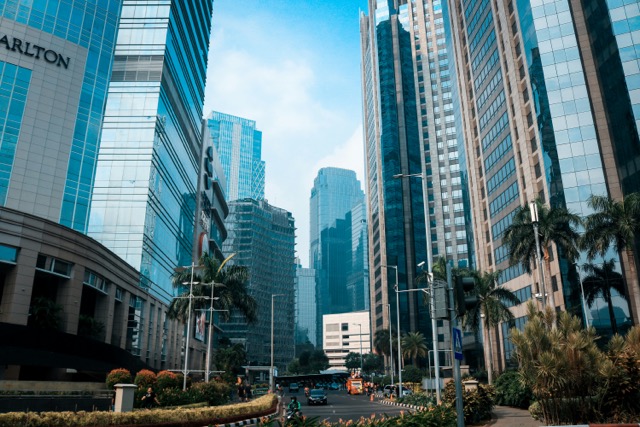
JAKARTA, JakartaWeekly.com–Jakarta’s hotel occupancy rate remained relatively weak in the third quarter of 2026 (Q3 2026), staying 2–3% below the level recorded in Q3 2025, according to commercial property services and investment management firm Colliers. However, occupancy improved by around 3–4% quarter-on-quarter (QoQ), indicating a gradual recovery.
According to Colliers, Jakarta’s hotel market is still absorbing the performance shortfall recorded in the first half of 2026. Demand strengthened in Q3 2026 as corporate activities, events and government-related activities improved. However, overall performance remained below the level recorded in the same period in 2025.
Colliers noted that the improvement in business and event activity in Q3 2026 created a more supportive operating environment for hotels, although the recovery remains uneven. Government-related demand continues to contribute less than it did in 2025, while corporate activity, events and international visitors are playing a greater role.
Historically, hotel occupancy in Jakarta tends to strengthen in the second half of the year. However, the seasonal uplift moderated to around 6% in 2025. In 2026, the recovery is again likely to be gradual rather than automatic. The key question is whether improving corporate and event activity can offset weaker government-related demand while supporting room rates.
Domestic leisure travel and event-driven trips are becoming increasingly relevant. During school holidays, staycations can help retain leisure spending within the city, while concerts, sporting events, exhibitions and other large-scale activities can generate concentrated bursts of demand.
Demand is also becoming more geographically distributed. New event and meetings, incentives, conferences and exhibitions (MICE) hubs across Greater Jakarta could broaden hotel demand beyond the traditional central business district (CBD) and established business districts. The expansion of MICE infrastructure across Greater Jakarta, including NICE in PIK 2, is adding event capacity outside Jakarta’s traditional commercial core.
For Jakarta’s hotels, the significance lies not only in the venues themselves but also in their potential to create a wider event ecosystem across the metropolitan area. The impact on room demand will depend on event frequency and scale, transport connectivity, and hotels’ ability to establish commercial partnerships with organizers and attendees.
According to Colliers, however, the opportunity extends beyond filling rooms. Hotels that integrate accommodation with dining, meetings, entertainment and curated experiences can capture a larger share of guest spending and strengthen ancillary revenue.
Ferry Salanto, Senior Associate Director of Research at Colliers, explained in the report that the performance shortfall in the first half of 2026 has made this a challenging year for Jakarta’s hotels. However, it has also highlighted an important structural lesson: occupancy recovery alone is not enough.
With demand sources becoming more diverse and less predictable, sustainable performance will depend on how effectively each property converts its location, brand, facilities and surrounding demand generators into a differentiated commercial proposition.
“For owners and operators, the priority is to build a more balanced revenue architecture. Sharper segmentation, disciplined pricing, demand mapping and closer integration with the city’s event calendar can support room performance, while F&B, meetings, social events and lifestyle partnerships can increase total guest value,” he added.
In this environment, the hotels best positioned to outperform will not necessarily be those that recover occupancy the fastest, but those that turn changing demand patterns into the most resilient and profitable revenue mix.
As 2026 draws to a close, Jakarta’s hotel market is likely to remain competitive and sensitive to travel costs, corporate budgets and the pace of government activity.
Rather than relying on a uniform recovery across traditional segments, operators should prepare for a market in which demand remains fragmented and increasingly driven by events, travel purposes and value considerations. This makes revenue management and segment diversification central to strategies for 2027.
Social events and weddings can provide a relatively resilient source of demand when government and corporate activity is weaker, while Jakarta’s calendar of MICE, sporting and entertainment events can generate additional room nights. Hotels can improve conversion by engaging with event organizers earlier, developing packages for attendees, and partnering with transport providers, restaurants and event organizers to offer integrated experiences. The objective should be to turn temporary event-driven traffic into broader hospitality spending.
Discover more