Web3 Week Asia 2026 Draws 6,000 Participants, Highlights Opportunities Beyond Trading
JAKARTA, JakartaWeekly.com— Web3 Week Asia 2026 brought together more than 6,000 participants and highlighted opportunities to leverage blockchain technology beyond cryptocurrency trading. These opportunities include career development, digital content creation, community building, and the development of blockchain-based products and businesses.
Alex J. Rumondor, Co-Founder of Web3 Week Asia, said the theme Generational Opportunity was chosen to highlight the range of opportunities available to the public as the Web3 industry continues to develop. According to him, opportunities in the sector extend beyond cryptocurrency investment and trading.
“We deliberately chose the theme Generational Opportunity because we believe an opportunity like this may not come around twice. But most importantly, opportunities in this industry can come from anywhere. Don’t just focus on trading. You can work in this industry, become a Web3 content creator, or build your own project. There are so many doors open; it all comes down to whether you’re willing to commit and learn,” he said recently.
Web3 Week Asia 2026 was held on November 11–12, 2026, at Kuningan City Ballroom in Jakarta. The conference brought together more than 6,000 participants from diverse backgrounds, including investors, traders, developers, content creators, communities, and Web3 industry players.
Under the theme Generational Opportunity, this year’s event was organized by four founders: Alex J. Rumondor, Andreas Tobing, Jodi Kalim, and Muhammad Rofiq. Together, they established the conference as a platform for industry players to connect and contribute to the development of the blockchain ecosystem in Indonesia and Asia.
Government and Industry Leaders Discuss Blockchain Developments
Web3 Week Asia 2026 also brought together government representatives and key figures from the technology and digital asset industries. Muhammad Neil El Himam of the Ministry of Creative Economy/Creative Economy Agency attended as a keynote speaker.
The government’s participation formed part of a broader effort to bring together stakeholders to discuss blockchain technology, the creative economy, and the potential for digital innovation in Indonesia.
On the first day, the conference featured a fireside chat with William Sutanto of Indodax and Yudhono Rawis of Floq. They discussed developments in the cryptocurrency industry, including the threat of a cyber pandemic and the need to strengthen security standards across the digital asset ecosystem.
The discussion also addressed industry challenges and the requirements for building a safer and more sustainable cryptocurrency ecosystem.
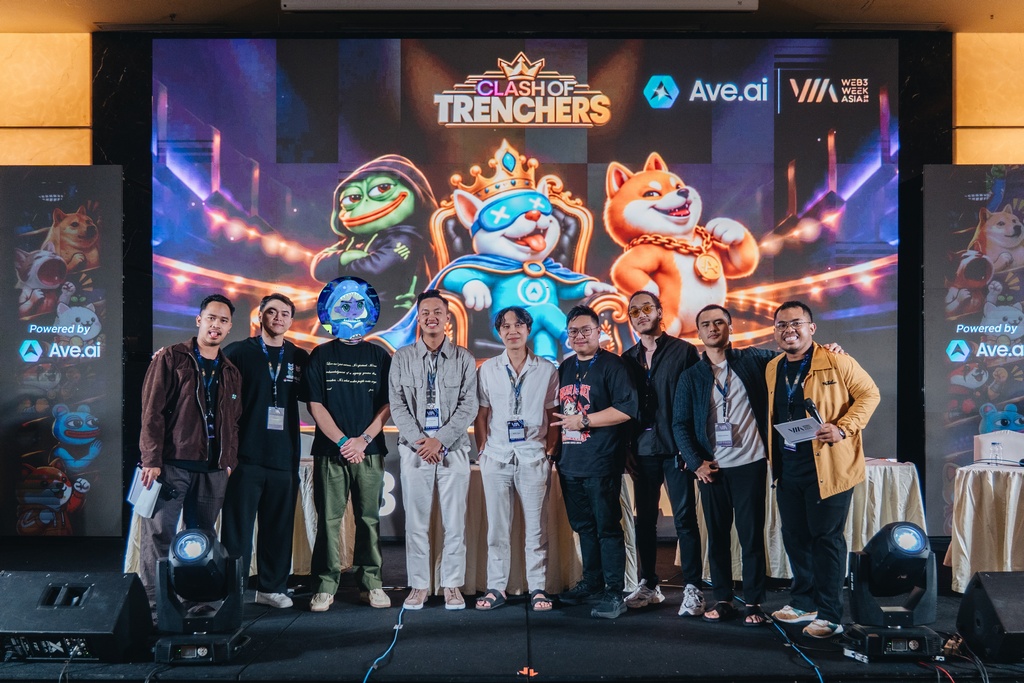
In addition to industry discussions, the organizers presented Clash of Trenchers, described as Indonesia’s first on-chain memecoin trading competition. The competition brought traders together to demonstrate their strategies and skills in navigating the dynamics of the memecoin market.
In the final round on the second day, Degen2ex, a trader known on the social media platform X, emerged as the winner. He received a US$1,000 prize.
The competition gave participants the opportunity to take part in live memecoin trading challenges. The event tested their trading strategies, market-reading skills, and decision-making abilities.
Gen Z Traders and Crypto Education in Eastern Indonesia
On the second day, the conference continued with sessions focusing on young traders’ experiences, community development, and the potential applications of blockchain technology across various sectors.
One of the featured sessions was Gen-Z Traders, which brought together traders under the age of 25 to share their experiences of entering the trading industry at a young age.
The discussion covered the challenges they faced, their learning processes, and the strategies they used to navigate market dynamics. The session allowed participants to gain insights into the experiences of young people already involved in trading.
From the perspective of domestic market development, Upbit CEO Resna Raniadi delivered a keynote address on the importance of expanding cryptocurrency education across Indonesia, particularly in the eastern regions of the country.
In her presentation, Resna highlighted the potential of Eastern Indonesia, which she said deserved greater attention from companies and communities within the cryptocurrency industry.
The next session featured Miguel from Token ANOA, who discussed the intersection of the gaming industry and Web3 technology. His presentation explored how the technology could help build a more inclusive digital economy while encouraging local developers to create innovations and reach global markets.
The conference concluded with a panel discussion titled The Next Bitcoin, featuring Kevin Susanto of Arktivak, Andy of Crypstocks, and Kalimasada of Akademi Crypto.
The panelists explored potential innovations in the digital asset ecosystem and various challenges that could shape Bitcoin’s future. Topics included developments in artificial intelligence (AI), the threat of quantum computing, and rising cybersecurity risks.
Web3 Week Asia Expands Connections Across Communities and Industry
The 2026 edition of Web3 Week Asia also involved various communities, sponsors, speakers, and institutions that supported the two-day event.
The organizers expressed their appreciation to all participants and stakeholders who contributed to the conference. Bringing together more than 6,000 attendees marked one of the key achievements of this year’s Web3 Week Asia.
By connecting industry players, communities, government representatives, investors, and a new generation of digital talent, Web3 Week Asia sought to bring together stakeholders involved in the development of the blockchain ecosystem.
Under the theme Generational Opportunity, Web3 Week Asia reaffirmed its commitment to serving as a platform that connects different segments of the Web3 industry while opening up opportunities for Indonesians to participate in the development of technology and the digital economy.
Discover more