Indonesia Enacts 2026–2045 Creative Economy Master Plan, Adds Four Subsectors
JAKARTA, Jakartaweekly.com — The Indonesian government has enacted Presidential Regulation (Perpres) No. 37 of 2026 on the 2026–2045 Creative Economy Master Plan (Rindekraf), establishing a long-term roadmap for the development of the country’s creative economy over the next two decades.
One of the regulation’s key provisions is the expansion of the creative economy from 17 to 21 subsectors through the addition of four new categories.
The newly introduced subsectors are emerging technologies, digital content, voice-over services, and automotive modification. The expansion aims to align Indonesia’s creative economy policies with technological advances, innovation, and the evolving business models of the creative industries.
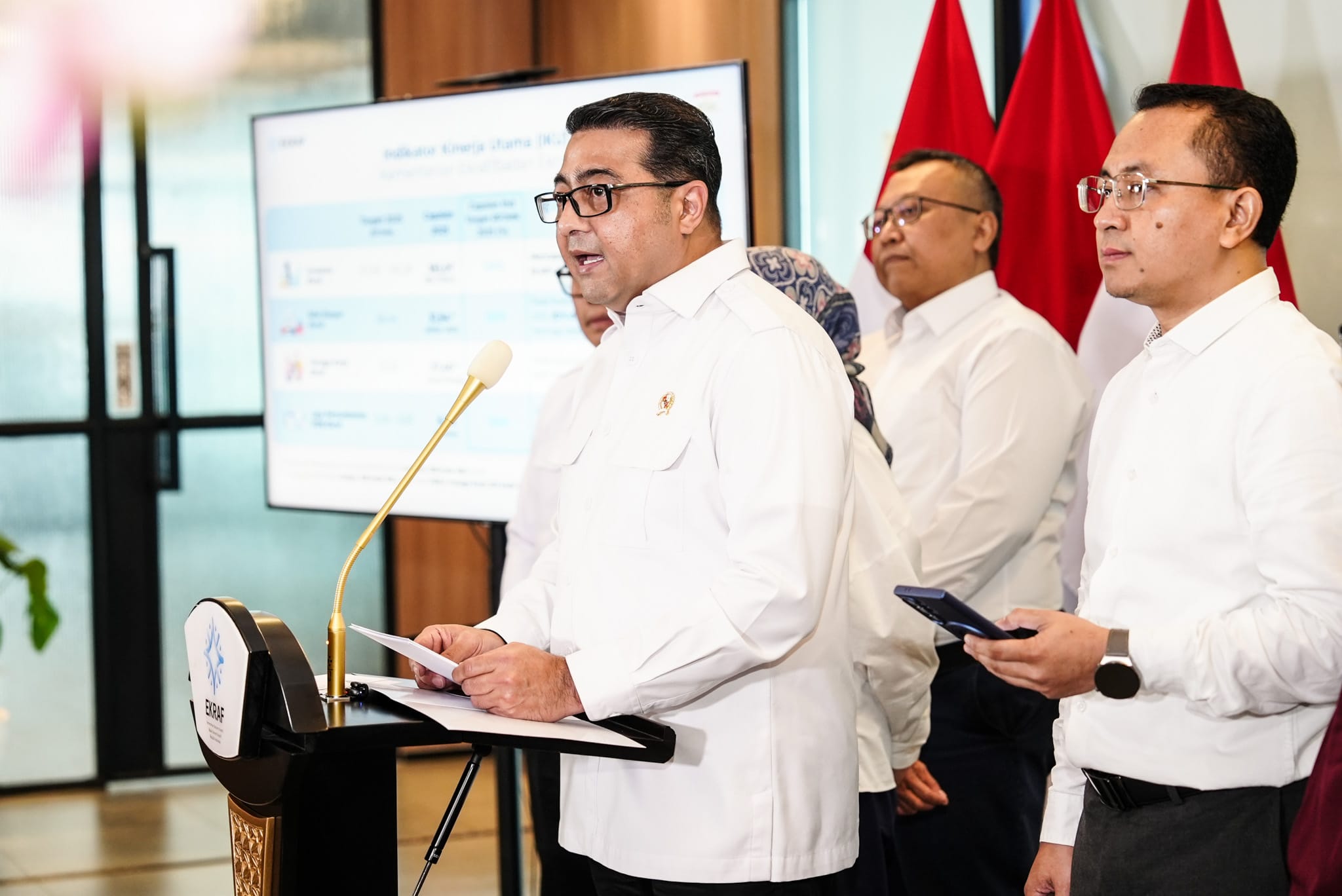
Minister of Creative Economy and Head of the Creative Economy Agency Teuku Riefky Harsya said the master plan is intended to serve as the government’s medium- and long-term policy framework while advancing the vision of the creative economy as The New Engine of Growth.
“This initiative lays the foundation for more targeted policies to strengthen the creative economy ecosystem, enhance the competitiveness of creative businesses, and foster innovation across the country,” Riefky said in Jakarta on Wednesday, July 22, 2026.
Under the master plan, the government has grouped the country’s 21 creative economy subsectors into four main clusters: arts and culture, design, technology and digital content, and media and creative distribution.
The classification is based on the characteristics of businesses, products, and production activities that draw on cultural heritage, science, technology, and digital innovation.
The emerging technologies subsector covers the development of artificial intelligence (AI), blockchain, big data, cybersecurity, and other advanced digital technologies. Meanwhile, the digital content subsector accommodates emerging professions and business models such as content creators, affiliate marketers, and live commerce operators.
The voice-over subsector reflects the growing demand for voice-over services across the audiovisual industry.
Meanwhile, automotive modification has been placed under the design cluster, recognizing the creativity involved in adding value through vehicle design, engineering, and customization.
According to Riefky, the structure of the creative economy subsectors remains open and can be adjusted over time to accommodate advances in science and technology, changes in industry dynamics, and the emergence of new forms of creative expression.
Beyond expanding the subsector classification, the master plan also focuses on strengthening the creative economy ecosystem through research and development, education, financing access, infrastructure, marketing systems, incentives, intellectual property facilitation, and the protection of creative works.
Rindekraf will also be integrated into the strategic planning and work plans of ministries, government agencies, and regional administrations to ensure better alignment between national and local creative economy policies.
“The Creative Economy Master Plan will be integrated into planning documents that are translated into strategic plans and annual work plans of ministries, government agencies, and regional governments. This integration is expected to align policy directions between the central and regional governments and accelerate the growth of the creative sector,” he said.
Riefky added that the Ministry of Creative Economy is also encouraging regional governments to establish dedicated creative economy institutions. So far, 13 provinces and 24 regencies and municipalities have established such institutions, while another 17 provinces and 67 regencies and municipalities are in the process of strengthening their institutional frameworks.
To support the implementation of the master plan, the government has introduced three flagship programs: Desa Kreatif (Creative Villages) to strengthen local creative ecosystems, Creative Hub to nurture creative talent, and Creative by Indonesia to help Indonesian creative products expand into international markets.
The government expects the master plan to create quality jobs, increase household incomes, strengthen regional cultural identities, attract investment, and generate new sources of locally generated revenue.
Currently, the culinary, craft, and fashion subsectors remain the largest contributors to Indonesia’s creative economy, while the gaming, application, film, and music industries are among the fastest-growing segments.
Artificial intelligencecreative economycreative industriesdigital contentGolden Indonesia 2045ministry of creative economyPresidential Regulation No. 37 of 2026Rindekraf 2026–2045Teuku Riefky Harsya
Discover more