SW Sustainability Center: Sustainability Is a Business Performance Driver
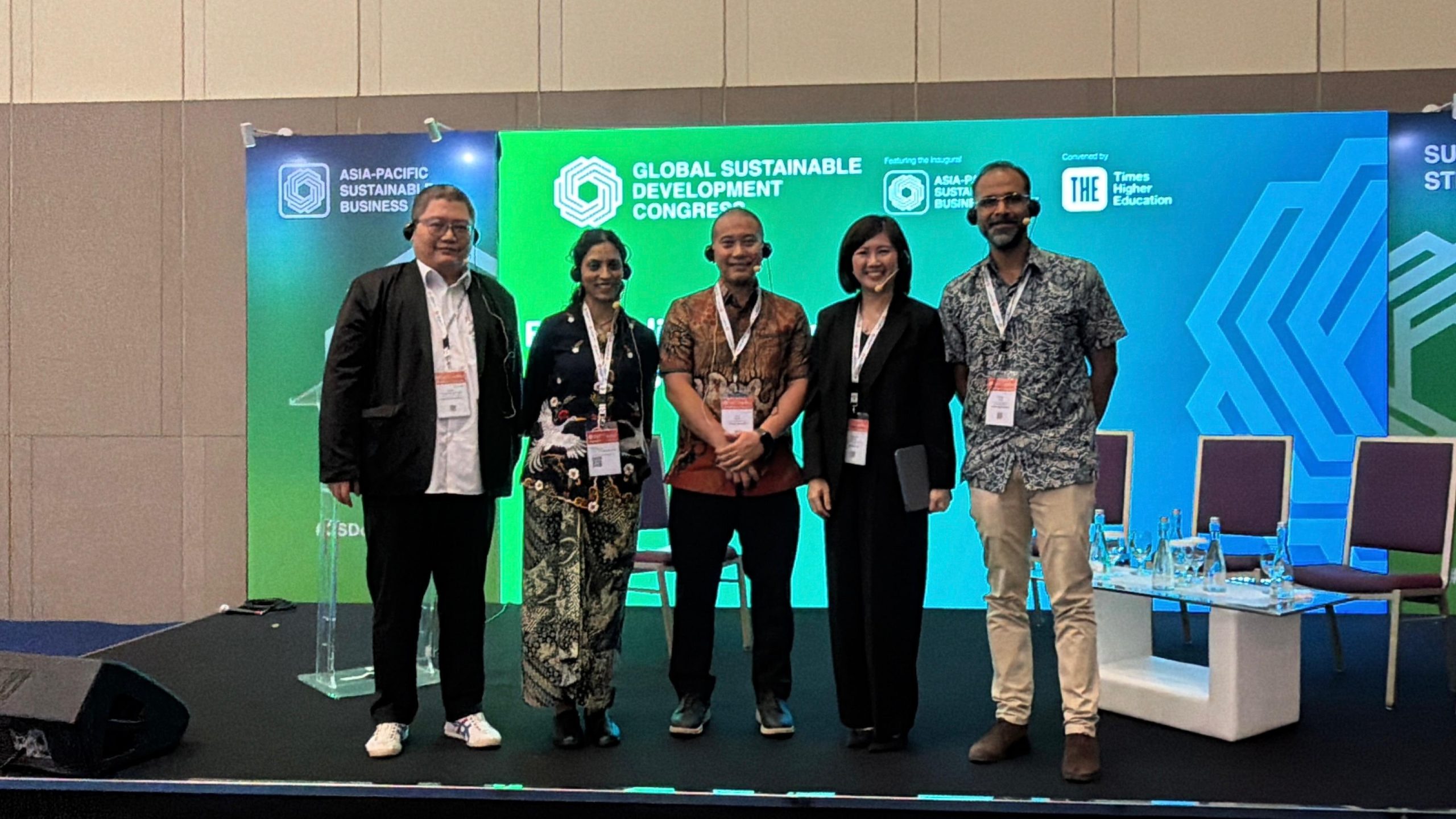
Tangerang – Jakartaweekly.com. Sustainability is no longer just about compliance or corporate reporting. Businesses across Asia-Pacific are increasingly viewing sustainability as a strategic tool to drive growth, improve resilience, and create long-term value.
This was one of the key messages delivered by Febryanti Simon, Managing Partner of SW Sustainability Center, during the Asia-Pacific Sustainable Business Summit 2026. Speaking alongside regional industry leaders, she highlighted how companies that successfully integrate sustainability into financial and investment decisions will be better positioned to strengthen competitiveness and navigate future business challenges.
The panel challenged the traditional perception that sustainability is merely a compliance requirement or an additional business cost. Instead, the discussion emphasized how sustainability can become a strategic driver of operational efficiency, resilience, innovation, and business performance.
During the session, Febryanti highlighted the growing role of finance leaders in connecting sustainability initiatives with measurable business outcomes.
“For CFOs, sustainability stops being an expense when it starts solving business problems. If it reduces costs, protects revenue, strengthens resilience, attracts investors, or improves access to financing, then it is creating value,” said Febryanti.
She further emphasized that the challenge facing organizations today is not whether sustainability creates value, but whether companies are measuring and communicating that value effectively through both financial and sustainability reporting.
The discussion also explored the future characteristics of high-performing companies in Asia over the next three to five years. According to Febryanti, the key differentiator will be how organizations allocate capital.
“Many companies already have sustainability strategies and commitments. However, the real differentiator will be whether sustainability influences where capital is invested. The companies that integrate sustainability into investment decisions, innovation, and business strategy will create stronger long-term competitive advantages.”
She added that sustainability should no longer be treated as a separate initiative managed by a dedicated team, but as an integral component of business decision-making across the organization.
“Culture follows incentives, and incentives follow capital. That is why capital allocation will be the ultimate test of whether sustainability is truly embedded within a business.”
The panel concluded that sustainability is increasingly becoming a business imperative rather than a reporting exercise. Organizations that successfully integrate sustainability into finance, operations, governance, and human capital management will be better positioned to navigate future challenges and capture emerging opportunities.
As regulatory expectations, investor scrutiny, and stakeholder demands continue to evolve, the ability to translate sustainability commitments into measurable business performance will become a defining factor for long-term success across Asia-Pacific.
Discover more