Prabowo Announced 10 New Policies, from Healthcare to Energy in 2027
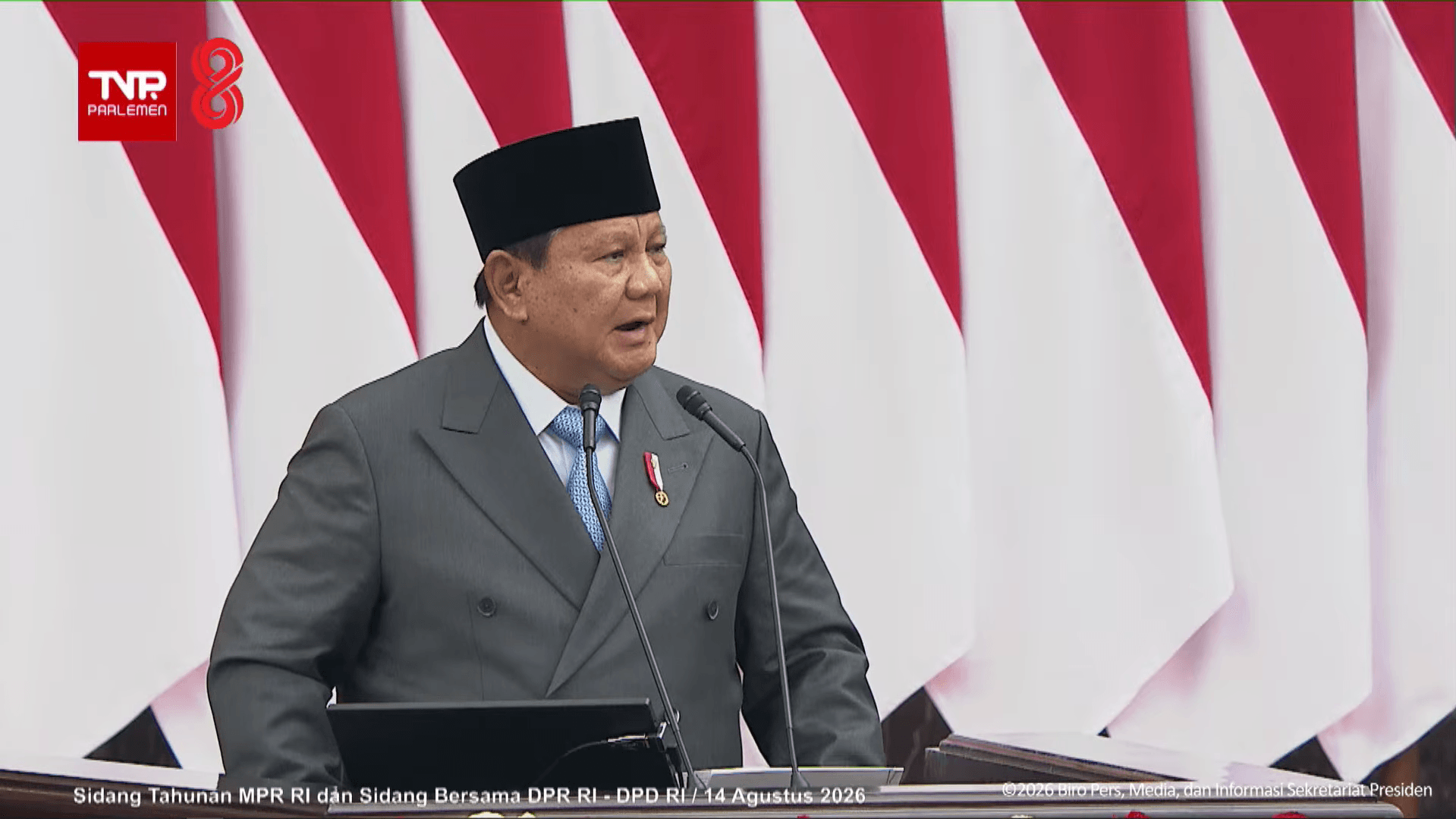
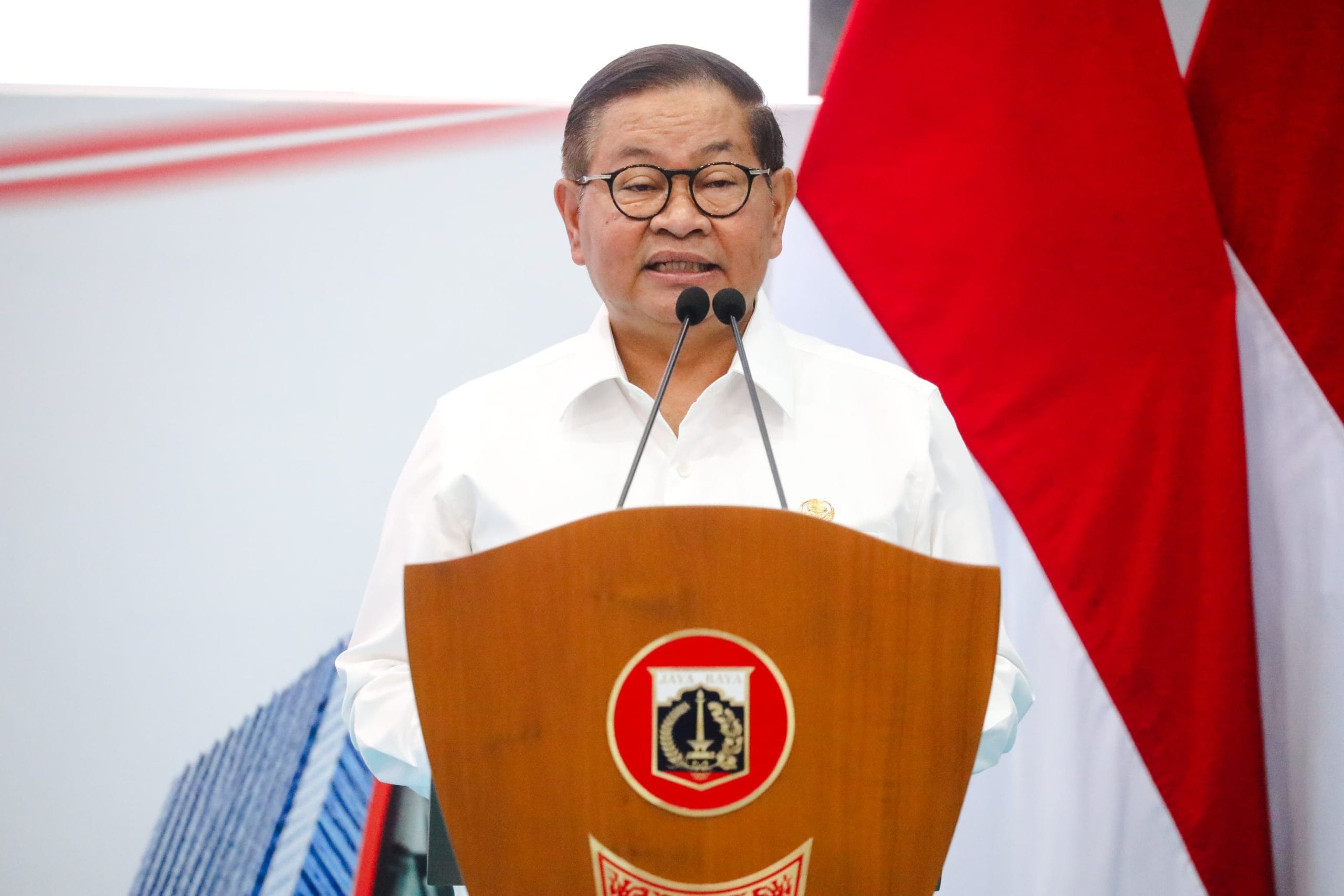
JAKARTA, Jakartaweekly.com–President Prabowo announced 10 new policies under the 2027 Draft State Budget (RAPBN 2027) during his speech on the 2027 State Budget Bill and Financial Note at the House of Representatives (DPR RI) on Friday, August 14, 2026.
The 10 new policies are part of Prabowo Subianto’s agenda to transform Indonesia.
1. Renovating 10,000 Community Health Centers & 514 Public Health Labs
Prabowo explained that in 2027, the government will renovate 10,000 community health centers (Puskesmas) across 7,285 subdistricts throughout Indonesia, with a budget of Rp4 billion for each Puskesmas.
In addition, the government will renovate or build 514 public health laboratories (Labkesmas) across 514 regencies and cities throughout Indonesia. The program is expected to be completed by 2030 at the latest.
2. Building & Revitalizing 441 Regional General Hospitals
Prabowo said the government will build and revitalize 441 Regional General Hospitals (RSUD) to ensure that every regency and city has adequate hospital facilities. These hospitals will be strengthened to treat diseases that cause the highest number of deaths, such as cancer, heart disease, stroke, and kidney disease, as well as to provide maternal and child healthcare services.
According to Prabowo, the government has already built 66 hospitals in disadvantaged, frontier, and outermost regions (3T). Around 20 of these RSUDs are already operational.
Prabowo also claimed that the government has provided cardiac examination equipment, CT scanners, mammography machines, ultrasound equipment, and modern healthcare services to areas where patients previously had to be referred to facilities located very far away.
On the occasion, Prabowo also said Indonesia currently faces a shortage of 84,871 general practitioners, 127,580 dentists, and 55,712 specialist doctors.
3. Renovating All Schools
The government is targeting the renovation of all school buildings across Indonesia, with the program expected to be completed by 2029.
The government will focus on ensuring that schools are in good, safe, clean, and suitable conditions for learning, and that they have adequate bathrooms or toilets.
In addition, classrooms are planned to be equipped with interactive smart displays or Interactive Flat Panels (IFPs). By the end of December 2026, Prabowo reported that all schools would receive three additional IFPs, bringing the total to four IFPs per school.
4. Establishing a Mineral & Commodity Exchange
The government will soon operationalize the Mineral and Strategic Commodity Exchange under the supervision of the Financial Services Authority (OJK) on January 1, 2027.
The government will discuss the regulations with the DPR RI, with the rules expected to be issued no later than September 17, 2026.
The establishment of the Mineral and Commodity Exchange aims to enable Indonesia to establish reference prices for its key export commodities, including palm oil, nickel, tin, coal, coffee, and rubber.
5. Accelerating the Optimization of SOE Assets
The government reported that it has closed 290 unproductive state-owned enterprises (SOEs) and will continue optimizing the sector, with a target of retaining only 300 productive SOEs.
The government will also facilitate partnerships with the private sector to optimize underutilized SOE assets.
The policy is planned to emulate India’s National Monetisation Pipeline, under which the private sector is given room to operate existing public assets while ownership remains with the state. The capital generated from the assets is then reinvested in developing new infrastructure.
6. Building 100 Gigawatts of Solar Power
The government plans to accelerate the retirement of diesel-fired power plants and replace them with solar power plants.
Prabowo is targeting the construction of 30 gigawatts of solar power capacity this year while shutting down 13 gigawatts of diesel-fired power generation capacity.
Through the project, the government estimates that Indonesia could save around Rp73.9 trillion annually from lower electricity generation costs.
7. Indonesia’s International Financial Center to Be Located in Jakarta and Bali
Prabowo has determined that Indonesia’s International Financial Center (Pusat Finansial Internasional Indonesia/PFII) will be located in Jakarta and Bali.
The PFII will serve as a global-standard hub for finance, investment, financial technology, arbitration, and commercial dispute resolution.
Prabowo also explained that the PFII’s institutional structure will consist of an Advisory Council, PFII Council, PFII Management Institution, PFII Financial Services Supervisory Institution, PFII Court under the Supreme Court, and PFII Arbitration Institution.
PFII activities may cover banking, insurance, capital markets, derivatives, carbon exchanges, bullion, fintech, Islamic finance, family offices, treasury centers, and investment management.
The PFII will provide certainty for the transfer and repatriation of capital and profits, tax facilities for eligible activities, a golden visa, and competitive licensing services.
8. Danantara Development Management Fund
In his speech on Friday, Prabowo also introduced a new institution, the Danantara Development Management Fund (DDMF), which will serve as an instrument to prepare, develop, and finance long-term strategic projects that are important to the nation but cannot yet be financed through short-term commercial investment.
Through the DDMF, Prabowo said the government will invest in projects including a national car, national motorcycle, the Giant Sea Wall, and other transformation projects deemed necessary.
The construction of the Giant Sea Wall is expected to take around 15-20 years. However, by dividing the project into 15 segments and developing them simultaneously, Prabowo is targeting completion within eight years.
9. Accelerating the Electrification of People’s Mobility
The government will seek to reduce fuel subsidies in the short term by launching a national electric motorcycle ecosystem.
Prabowo announced that the government will provide incentives for one million electric motorcycles manufactured domestically by Indonesian businesses.
The policy has three objectives: lowering vehicle costs for the public, reducing consumption of imported fuel, and expanding Indonesia’s electric motorcycle industry along with its battery, component, software, and after-sales service supply chains.
10. Government to Revise Dual-Citizenship Law
The government will propose amendments to the law to allow limited dual citizenship for Indonesian citizens with exceptional talent who can make outstanding contributions to the national interest.
The policy will serve as one of the government’s instruments to bring back the best talent from the Indonesian diaspora.
Danantara Development Management Funddraft state budget 2027Giant Sea WallPFIIPrabowo announced 10 new policiesRAPBN 2027
Discover more