APINDO Calls for Fair Process in RAPP Forest Permit Revocation
JAKARTA, JakartaWeekly.com—The Indonesian Employers Association (APINDO) has acknowledged the government’s efforts to exercise its authority in assessing, supervising, and regulating forest areas in RAPP forest permit revocation. However, the association has urged the government to ensure that the legal process is conducted fairly and in accordance with due process.
The statement was made by APINDO’s Head of Public Policy Sutrisno Iwantono in response to the revocation of the forest utilization business license of PT Riau Andalan Pulp and Paper (RAPP), part of the Royal Golden Eagle (APRIL Group) owned by Sukanto Tanoto, covering approximately 338,536 hectares.
The Forest Area Enforcement Task Force (Satgas PKH) revoked RAPP’s Forest Utilization Business License (PBPH) through Minister of Forestry Decree No. 971 of 2026, dated November 19, 2026.
Following the license revocation, all activities in the concession area must cease. The government has also appointed PT Garuda Adidaya Nusantara, an affiliate of Danantara, to take over the subsequent management of the area.
Sutrisno explained that the government has the authority to assess, supervise, and regulate forest areas, particularly when companies are found to have caused problems through their business practices or violated applicable regulations.
Therefore, Sutrisno said APINDO respects the government’s decision to exercise this authority. However, he emphasized that its implementation must follow a fair due process of law.
“This means following applicable legal procedures and ensuring that the process is proportional, objective, and transparent. This is important to provide legal certainty,” Sutrisno explained.
He added that if serious violations have indeed occurred, the evidentiary process is crucial. Businesses facing sanctions must also be given the opportunity to respond and provide clarification.
From an investment perspective, Sutrisno said investors would respect applicable regulations as long as they were enforced objectively, transparently, and responsibly.
“If business operators have indeed committed violations, I believe investors will understand,” he said.
Danantara Denies Plans to Acquire RAPP
The Investment Management Agency Daya Anagata Nusantara (Danantara) has denied reports that its affiliate, Garuda Adidaya Nusantara, is acquiring RAPP’s land and forest concessions.
Danantara Chief Operating Officer (COO) Dony Oskaria explained that the Ministry of Forestry had appointed Garuda Adidaya Nusantara as the temporary manager of the concession, rather than as its acquirer.
He said the arrangement was intended to prevent communities and employees from being affected by a temporary suspension of operations.
“The Ministry of Forestry appointed us as the temporary manager, not as the acquirer. There is an official letter from the Ministry of Forestry appointing us to this role,” Dony told the House of Representatives (DPR) on Thursday, November 26.
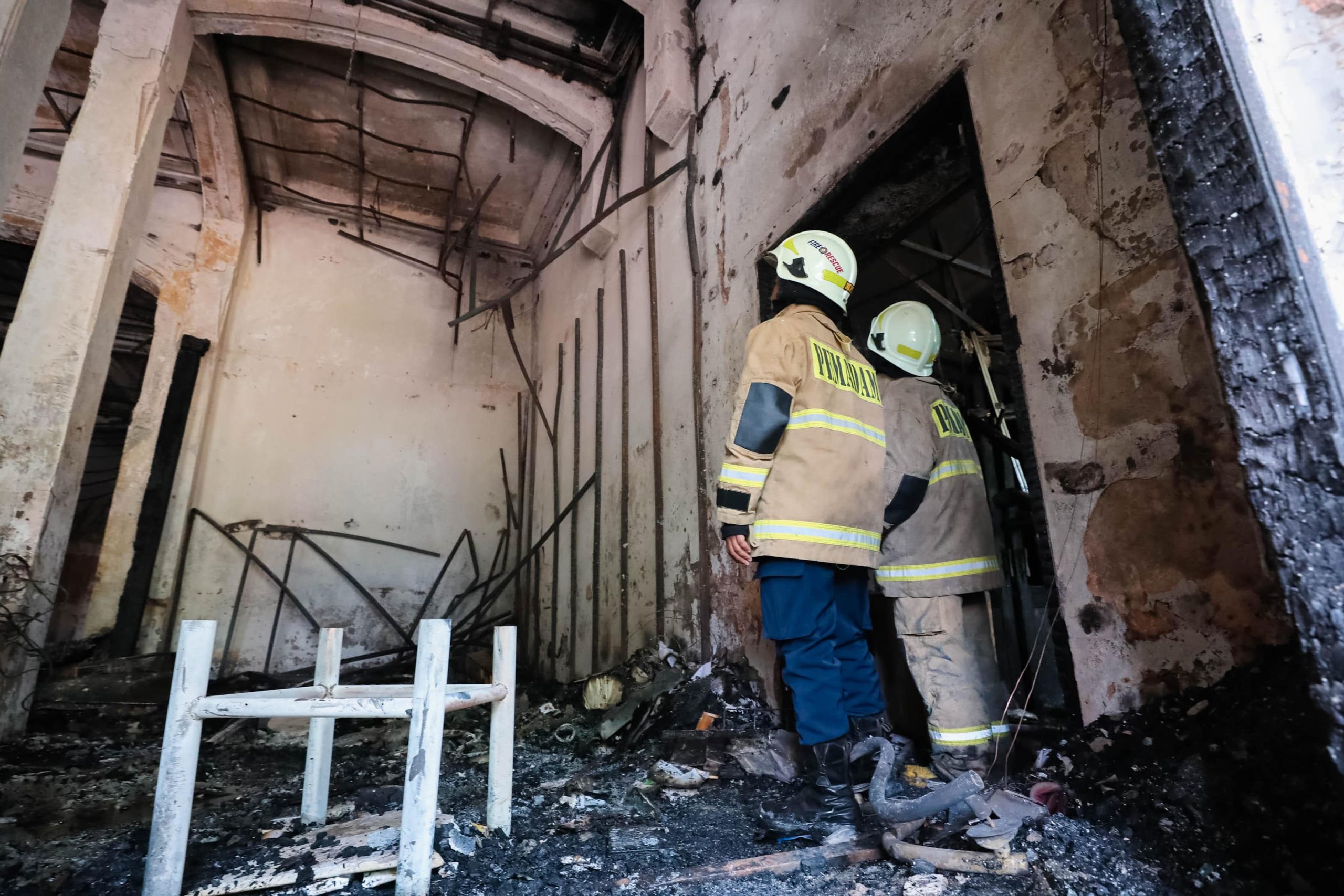
Dony explained that Satgas PKH revoked RAPP’s forest concession license following findings of recurring peatland fires, approximately 18,362.74 hectares of oil palm plantations, 541.46 hectares of unauthorized mining activities, and 211.54 hectares of damage to protected forest areas.
In its license revocation decree, Satgas PKH stated that all activities in the concession area must cease and that the area would return to state control, while environmental restoration obligations would remain in force.
RAPP Maintains That It Has Complied with Applicable Regulations
RAPP said it had officially received the Ministry of Forestry Decree No. 971/2026 and was conducting a comprehensive review of the grounds for the license revocation outlined in the decree.
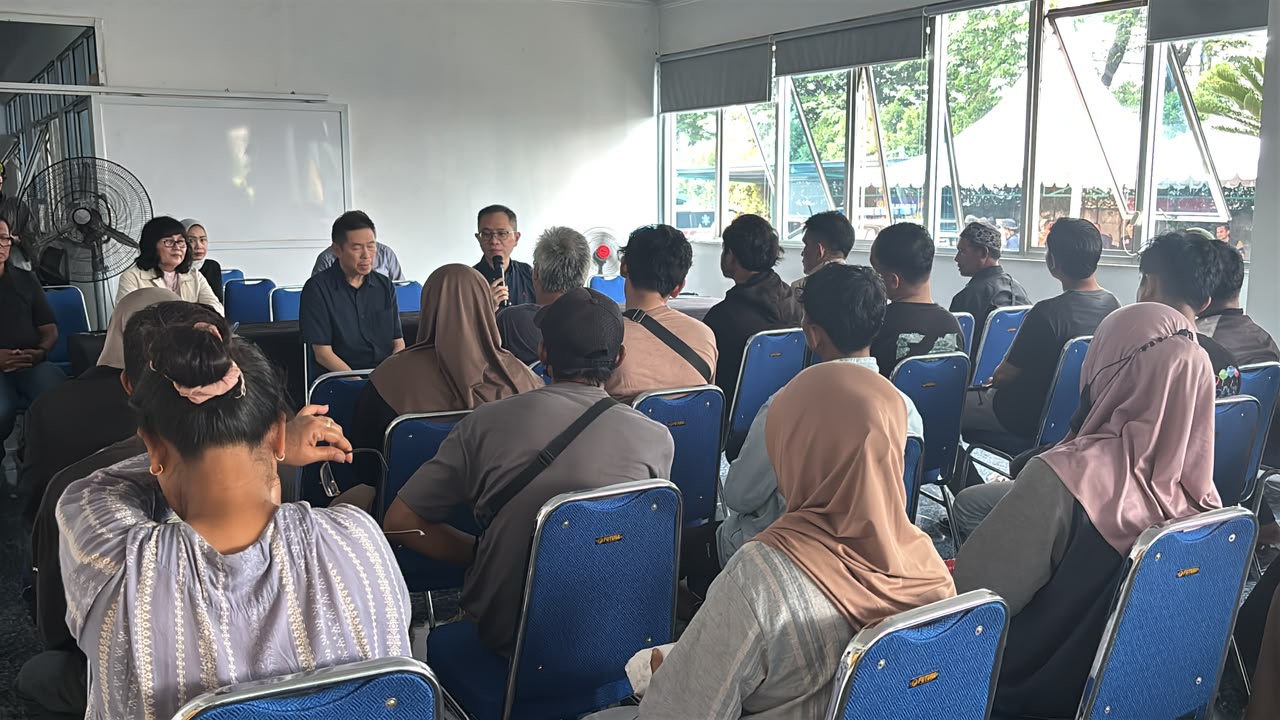
The company’s management acknowledged that the decision had caused concern among its 41,000 employees and their families, as well as hundreds of local micro, small, and medium-sized enterprises (MSMEs) involved in RAPP’s operations.
“We are concerned that this decision could affect the economy and the welfare of communities in Riau Province,” the company said.
Furthermore, the company warned that the disruption could affect its contribution to the country’s foreign exchange earnings, employment, and the supply chains supporting its operations.
RAPP also maintained that it had managed its 338,536-hectare industrial plantation forest concession in compliance with applicable laws and regulations.
“PT RAPP implements best practices in its operations and forest management,” the company’s management said in a statement cited on Friday, November 27.
The company explained that it had implemented a zero-burning policy since 1993 and adopted an integrated fire management approach. This includes prevention, early detection, and rapid response to fires in compliance with national and international standards.
RAPP also operates its Fire Free Village Programme, through which it works with more than 40 villages in Riau to prevent fires. The program provides alternative methods for preparing agricultural land using mechanical equipment.
The company claims that the program has covered approximately one million hectares of land and helped reduce the incidence of fires by more than 90%.
“We do not tolerate burning practices. We ensure that fire incidents are not caused by the company, and we have successfully extinguished most of the fires within 24 hours,” the management stated.
RAPP also said it applies a science-based approach to peatland management, including best practices in water management, silviculture, and greenhouse gas (GHG) emissions monitoring.
The company added that it has supported the development of tropical peatland science and shared research data and findings with national and international scientific communities, as well as other stakeholders.
RAPP also said it partners with a global organization to manage and protect one of the largest peatland restoration areas in Riau, which is home to more than 900 species of flora and fauna.
Furthermore, RAPP emphasized that it works with local communities and regional governments to resolve land conflicts within its concession area, including cases involving encroachment, illegal mining, and illegal plantations such as oil palm plantations operating within the concession.
The company said all land conflict cases are regularly reported to the Ministry of Forestry.
RAPP also stated that it strongly condemns wildlife crimes and supports law enforcement efforts.
Discover more