



Daewoong and PERKI Raise Awareness of Cardiovascular Disease
Discover more




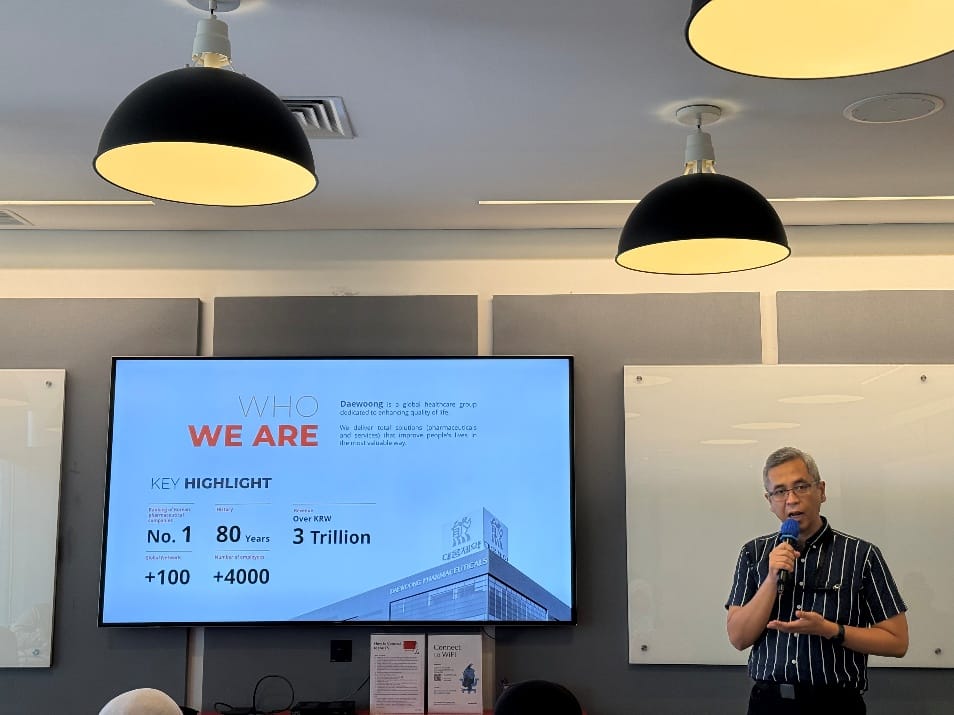
JAKARTA — Jakartaweekly.com. Ahead of World Heart Day, Daewoong Pharmaceutical Indonesia and Indonesian Association of Cardiovascular Specialists (PERKI) held a media education session in Jakarta to increase public awareness of cardiovascular disease and the dangers of misinterpreting chest pain symptoms.
The initiative aims to address a common misconception among Indonesians that Angin Duduk—often translated as “sitting wind” and frequently treated with traditional remedies such as kerokan—is simply a minor ailment. Medical experts warn that the condition may actually be a symptom of angina pectoris, a serious cardiovascular disorder that requires immediate medical attention.
According to findings from the One ACS Registry, which involved 14 hospitals across Indonesia, 34.8% of patients suffering from acute myocardial infarction between July 2018 and June 2019 did not receive reperfusion therapy to reopen blocked coronary arteries. The study also found that only 21.8% of patients received treatment within three hours of symptom onset.
The data suggests that many patients fail to recognize chest pain as an early warning sign of heart disease and seek medical help only after their condition worsens significantly.
During the session, dr. Febtusia Puspitasari, a cardiologist affiliated with PERKI, emphasized the importance of recognizing the symptoms of angina.
“Angin Duduk, which is often considered harmless and treated with traditional remedies, is actually a classic symptom of angina pectoris, a condition in which the heart muscle does not receive enough blood and oxygen,” she explained.
She noted that warning signs include pressure-like pain in the center of the chest, discomfort that spreads to the jaw or arms, and chest pain that occurs even while resting.
“These symptoms may indicate unstable angina or acute myocardial infarction,” she said. “If left untreated until a blood vessel becomes completely blocked, the condition can lead directly to a heart attack or sudden cardiac death.”
Dr. Febtusia urged individuals experiencing such symptoms to seek immediate medical evaluation and treatment.
Experts also highlighted the importance of controlling low-density lipoprotein cholesterol (LDL-C), commonly known as “bad cholesterol,” as a key strategy for preventing cardiovascular disease.
dr. Wicak Prasetiadi said maintaining LDL-C levels below 55 mg/dL is crucial, particularly for high-risk patients.
“For patients who struggle to achieve LDL targets with statin therapy alone or who are concerned about high-dose statin side effects, a dual-pathway approach combining statins and ezetimibe can be an effective option,” he said.
The treatment works by reducing cholesterol production in the liver while simultaneously limiting cholesterol absorption in the intestines.
Dr. Wicak also introduced Daewoong’s combination therapy, which combines two active ingredients in a single tablet to simplify treatment and improve medication adherence.
Baik In Hyun said the company remains committed to improving healthcare awareness in Indonesia.
“For more than 20 years, Daewoong has grown alongside Indonesia and has continuously contributed to improving healthcare services in the country,” he said.
“Through our collaboration with PERKI, we will continue working with healthcare professionals to deliver accurate, science-based health information that benefits Indonesian society.”
The campaign reflects growing efforts by healthcare stakeholders to encourage early detection and prevention of cardiovascular disease, which remains one of the leading causes of death in Indonesia.