PERADI SAI and TP PKK Strengthen Legal Awareness to Prevent Physical and Verbal Abuse
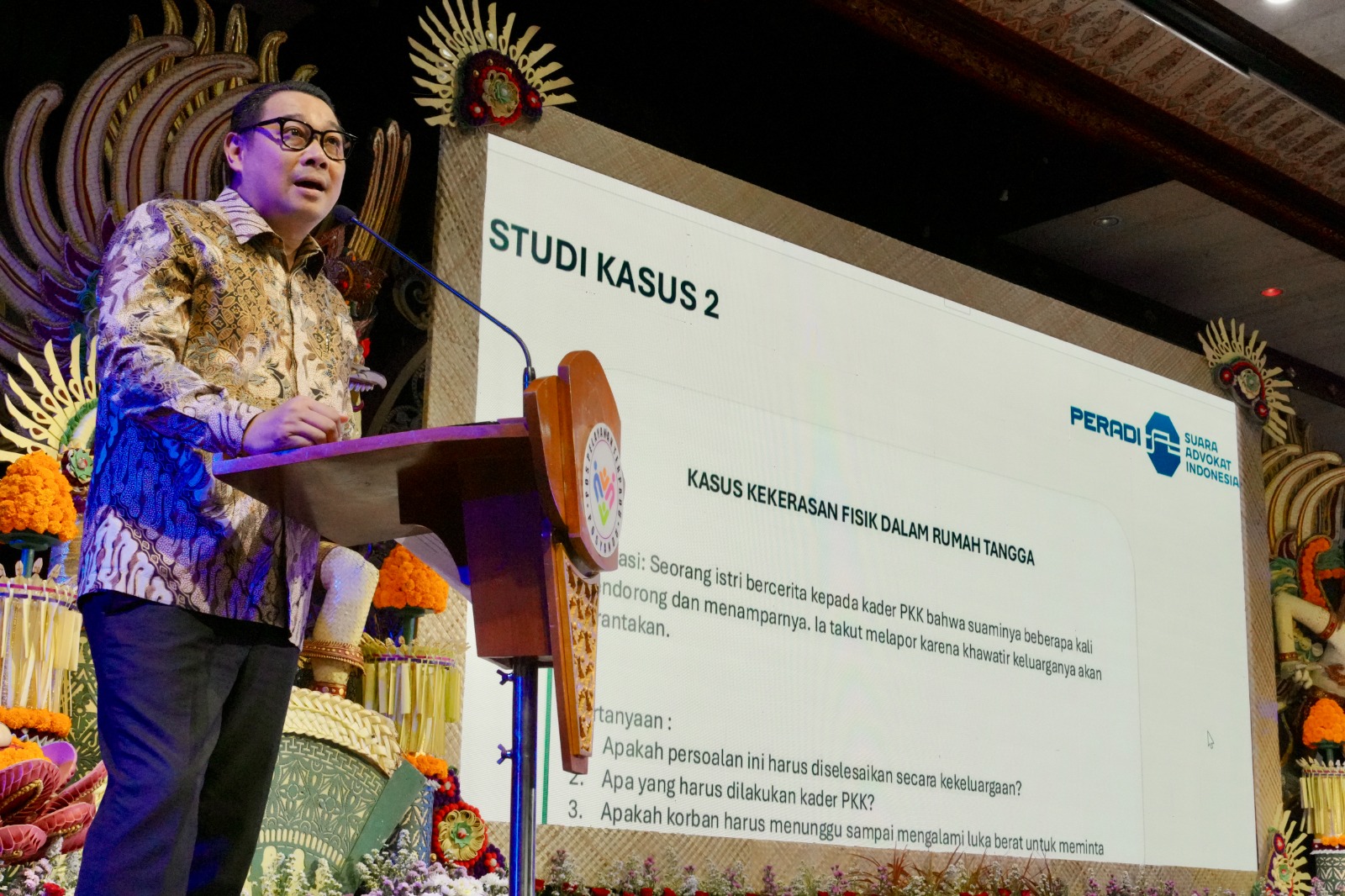
DENPASAR, Bali — Raising legal awareness within families is an important step toward preventing physical and verbal abuse in society. Legal education helps family members understand the importance of ensuring safety, respecting human dignity and fostering harmonious relationships.
This commitment was reflected in a public awareness program on preventing physical and verbal abuse in families and communities, organized by the central executive board of the Family Welfare Movement or Tim Penggerak Pemberdayaan dan Kesejahteraan Keluarga (TP PKK) in Denpasar, Bali, from Oct. 20 to 23, 2026.
Hendra Widjaya, head of the advocacy and legal aid committee at the Indonesian Advocates Voice Association (PERADI SAI), highlighted the importance of legal awareness in preventing violence within families and communities. “Through legal education, we hope the public will become better equipped to recognize, prevent and protect themselves against various forms of violence,” he said.
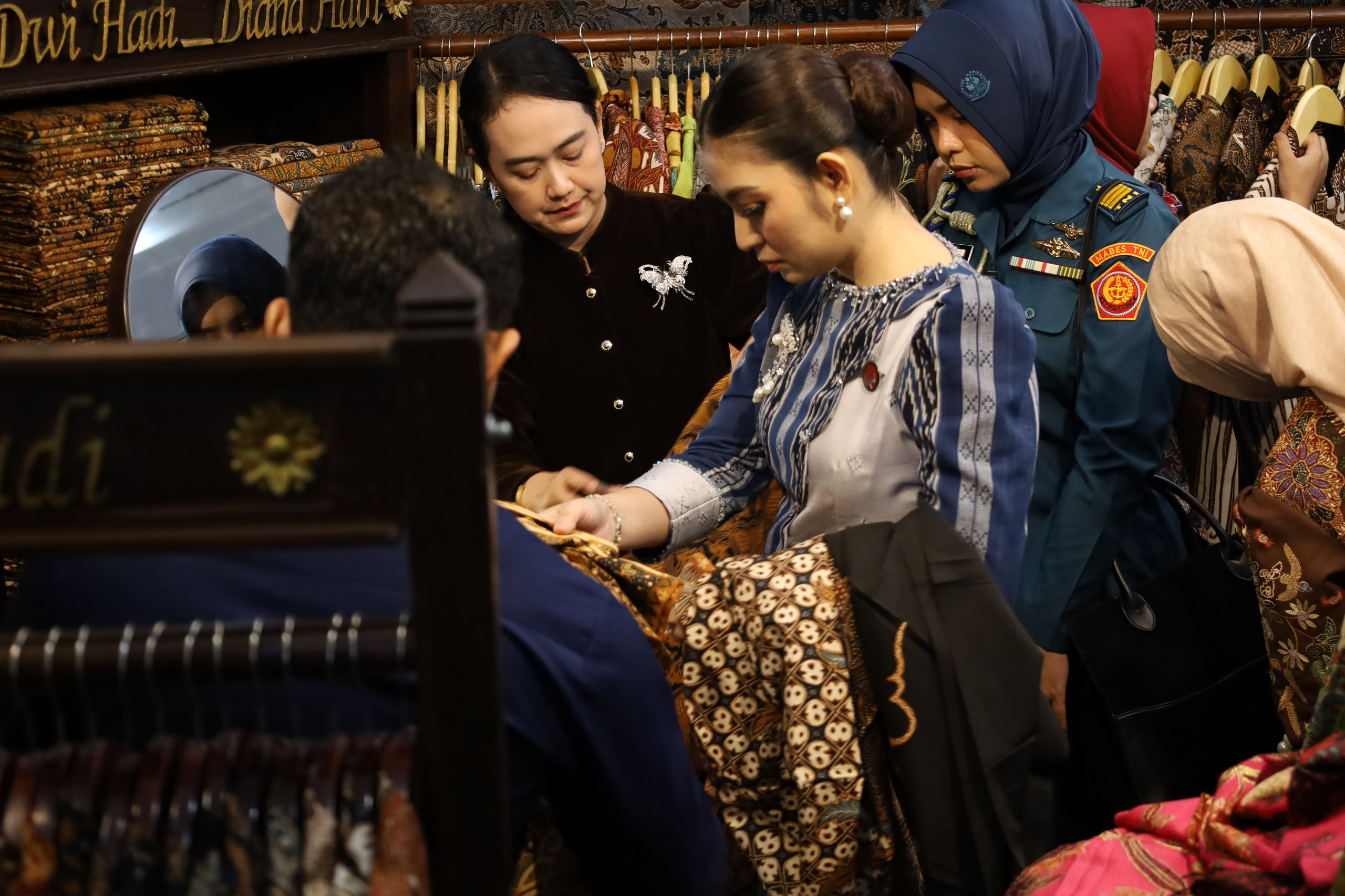
The event was also attended by Central TP PKK chairwoman Tri Tito Karnavian and Bali TP PKK chairwoman Ni Luh Putu Putri Suastini, widely known as Putri Koster. Participants included TP PKK volunteers, integrated health post (Posyandu) volunteers, school students and university students.
In his presentation, Hendra stressed that violence does not always leave visible physical injuries. Humiliating remarks, insults, threats, intimidation and other forms of verbal abuse can harm a person’s psychological well-being and sense of security.
According to Hendra, the public needs to understand the distinction between ordinary disagreements and acts that may constitute violence and carry legal consequences. Any assessment must take into account the context, facts, impact and applicable legal provisions.
“An act may be classified as verbal abuse when the words are repeatedly used and the conduct meets the elements of a criminal offense,” he said.
He explained that not every harsh remark automatically constitutes a criminal offense. However, insults, threats and verbal acts intended to demean, intimidate or control others should not be taken lightly. When such conduct meets the legal threshold for an offense, victims can seek protection and pursue the appropriate legal remedies.
Legal awareness, therefore, needs to begin at home, where people develop their everyday relationships. Greater understanding is expected to encourage family members to respect one another’s rights and dignity while creating a safe and supportive environment.
Hendra also highlighted the urgency of preventing violence by citing data presented during the program. According to figures from the National Commission on Violence Against Women (Komnas Perempuan) on gender-based violence against women, 376,529 cases were recorded in 2025.
The figures underscore the need to strengthen prevention, victim assistance and protection for women. The involvement of families and communities is crucial because violence can occur in various settings, including homes, social environments and educational institutions.
Meanwhile, a compilation of data from the Indonesian Child Protection Commission (KPAI) and the Indonesian Education Monitoring Network (JPPI), cited in the presentation, showed an increase in reported cases of violence and bullying in educational institutions, from 285 cases in 2023 to 573 in 2024 and 641 in 2025.
The data showed that physical violence accounted for 55.5 percent of cases, while verbal or psychological abuse made up 29.3 percent. Elementary and junior high schools were also identified as key areas of concern in efforts to prevent bullying.
These figures highlight the importance of creating safe environments for children, including by teaching them to respect others, communicate without resorting to violence and seek help when they experience or witness bullying or abuse.
Where to Report Violence?
Hendra urged the public not to remain silent when they witness violence in their surroundings. He said prevention should not be left solely to victims or law enforcement agencies, but requires the involvement of families, communities, educational institutions, civil society organizations and other relevant parties.
“Anyone who witnesses such acts, as well as victims themselves, can report them through SAPA 129 or the police,” Hendra said.
SAPA 129 is a reporting service for women and children who experience or become aware of violence. Depending on their needs, victims can also seek assistance from regional technical units for the protection of women and children (UPTD PPA), healthcare facilities or legal aid organizations.
Hendra emphasized that victims should receive support without being blamed or judged. The public must also protect their identities and personal information. If a victim’s safety is threatened, ensuring that they reach a safe place and receive appropriate assistance must be the top priority.
This understanding is expected to equip TP PKK and Posyandu volunteers, school students and university students to recognize signs of violence, prevent abuse at an early stage and connect victims with the relevant authorities and support services.
Through its Advocacy and Legal Aid Committee, PERADI SAI is working to ensure that legal education goes beyond understanding regulations and translates into everyday behavior. This includes respecting everyone’s dignity, raising children without violence and resolving conflicts in healthy ways.
Families play a fundamental role in creating safe environments. Respectful communication, nonviolent parenting and the willingness to seek help are essential steps in preventing violence before it causes more serious harm.
The collaboration with Central TP PKK is expected to broaden public understanding that protecting women and children is a shared responsibility. Legal awareness, Hendra stressed, is not merely about knowing the rules, but also about understanding one’s rights, respecting others, preventing violence and taking appropriate action when someone needs protection.
Discover more