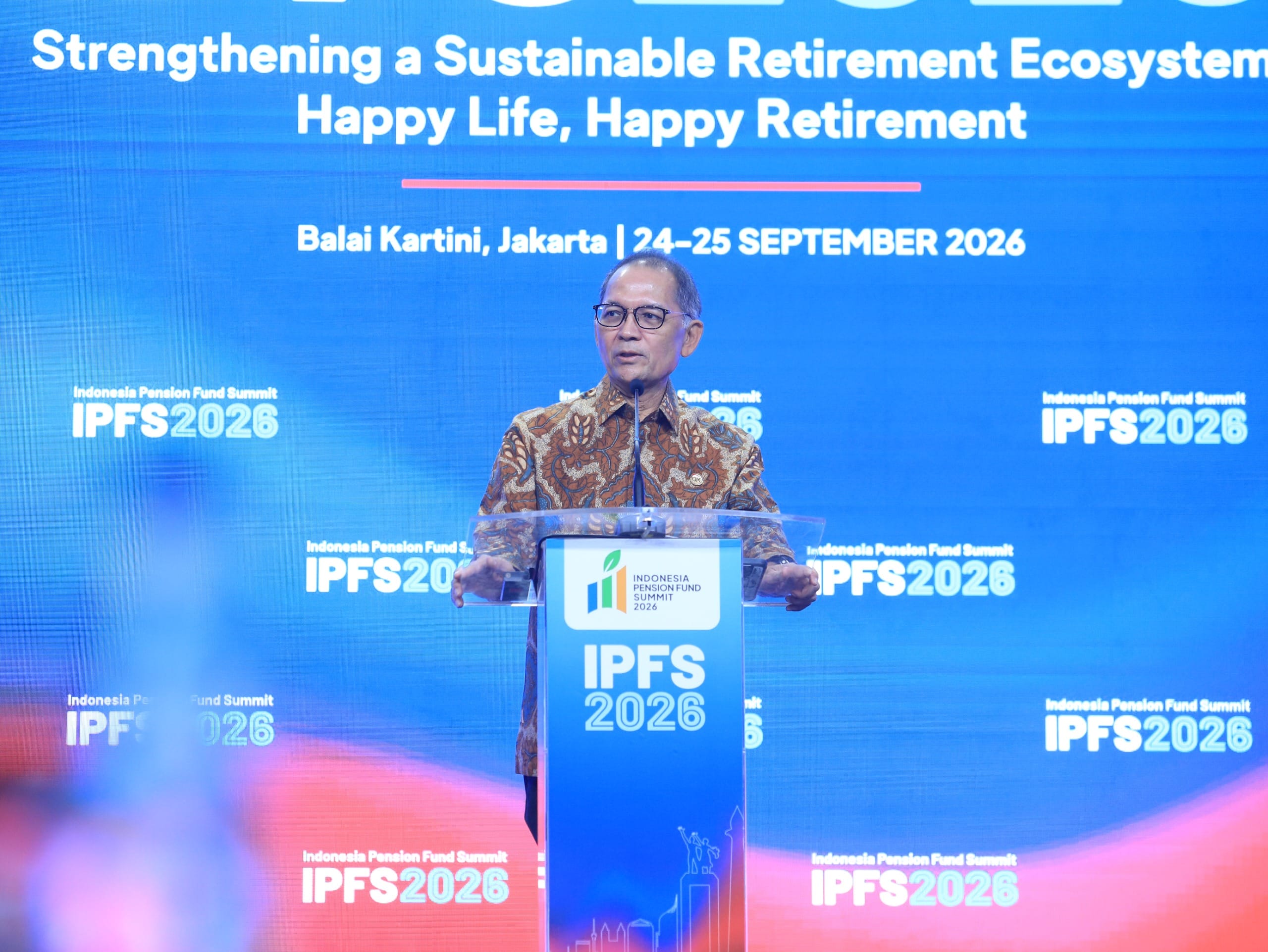
OJK: Indonesia’s Banking Loans Reach Rp9.135 Trillion in July 2026
JAKARTA, JakartaWeekly.com–The Financial Services Authority (OJK) recorded several developments in Indonesia’s digital financial services sector as of July 2026. Banking loans reached Rp9.135 trillion, growing 13.58% year-on-year (yoy), supported by strong capitalization, with the banking industry’s Capital Adequacy Ratio (CAR) standing at 23.84%.
Meanwhile, outstanding online lending reached Rp105.63 trillion, a sevenfold increase from 2020. The number of crypto asset consumer accounts also surpassed 22.93 million.
Furthermore, the digital financial asset trading ecosystem is currently supported by two exchanges, two clearing and guarantee institutions, two depository institutions, and 28 digital financial asset traders licensed by OJK.
In the Financial Sector Technology Innovation (ITSK) sector, eight Alternative Credit Rating Providers (PKA) have been registered with OJK, recording a total of 28.32 million inquiries/hits. There are also 16 registered Financial Services Aggregation Providers (PAJK), with 19.26 million users.
In addition, 1,357 partnerships have been established between ITSK providers and Financial Services Institutions (LJK), reflecting increasingly close collaboration between technological innovation and the financial services sector to expand access to financial services for the public.
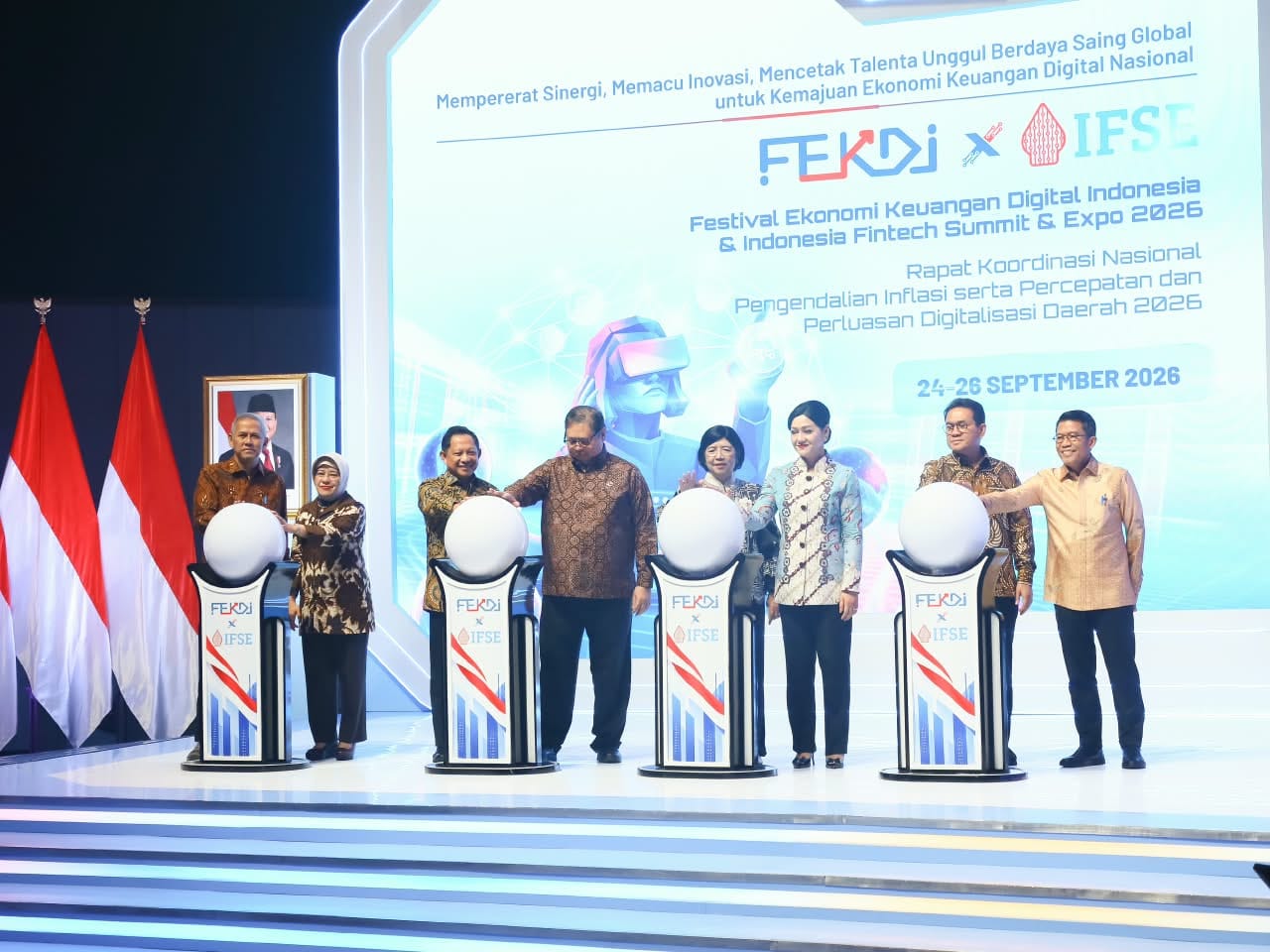
OJK Chairman of the Board of Commissioners Friderica Widyasari Dewi, in her remarks at the Indonesia Digital Economy and Finance Festival on September 24, 2026, said that OJK would continue to encourage the development of digital finance to further strengthen the national economy and improve public welfare.
According to Friderica, the financial services sector plays a major role in connecting financial technology innovation with the needs of the real sector, including financing for MSMEs, housing, downstream industries, and infrastructure.
“Financial innovation is a machine that should drive the financial system to improve a country’s real economy. This is the benchmark we use to assess every innovation. We do not only look at whether an innovation is technologically advanced, but whether the technology has an impact, particularly in improving the welfare of the Indonesian people,” Friderica said, as quoted in a press release on September 24, 2026.
She added that digital financial innovation is valuable in expanding financing for MSMEs, housing, downstream industries, and infrastructure, reducing transaction costs, and reaching people in areas that have previously been underserved.
Friderica explained that OJK is focusing its digital finance development policies on four agendas: adaptive governance and regulation, cybersecurity and consumer protection, digital talent development, and cross-authority synergy at both the national and regional levels.
However, Friderica warned that the development of digital finance must be accompanied by stronger security measures to safeguard and protect the public.
Meanwhile, Bank Indonesia Governor Destry Damayanti said that digital transformation needs to be supported by a reliable, secure, and trusted payment system. As part of its policy direction toward 2030, BI continues to promote the expansion of digital payment services, strengthen the payment system industry, and develop infrastructure to meet growing transaction needs.
“Digitalization is one of the tools we can use to accelerate our economic growth, including the competitiveness of our economy,” Destry said.
Destry added that the expansion of digitalization must go hand in hand with stronger financial literacy and consumer protection. BI is also developing digital talent through PIDI DIGDAYA and expanding cross-border payment connectivity to facilitate transactions and support economic integration.
As part of the event series, a High-Level Talk was held under the theme “Policy Synergy to Accelerate Digital Financial Economic Transformation.” OJK Executive Head of Financial Sector Technology Innovation, Digital Financial Assets, and Crypto Assets Supervision Adi Budiarso said during the event that digitalization in the financial sector could expand financial inclusion and support economic growth in Indonesia.
The use of digital data for credit scoring, for example, has the potential to help individuals and MSMEs build financial profiles that can be used to access banking services that were previously unavailable to underserved or unbanked populations. According to him, realizing this potential requires synergy among ministries and government agencies, as well as regional governments.
“Digitalization is our growth accelerator,” Adi said.
Adi added that OJK’s digital finance development is aimed at strengthening financial inclusion, literacy, financial deepening, and stability. Cooperation among stakeholders is needed to ensure that innovation can reach more regions and provide broader benefits to the public.
OJK has also issued cybersecurity guidelines for digital financial asset innovation providers. The guidelines cover the implementation of zero-trust principles, cyber risk management, data and wallet protection, incident response plans, and continuous improvement of technical competencies.
Discover more