At Automechanika Jakarta, Faisol Riza Highlights Indonesia’s Auto Growth
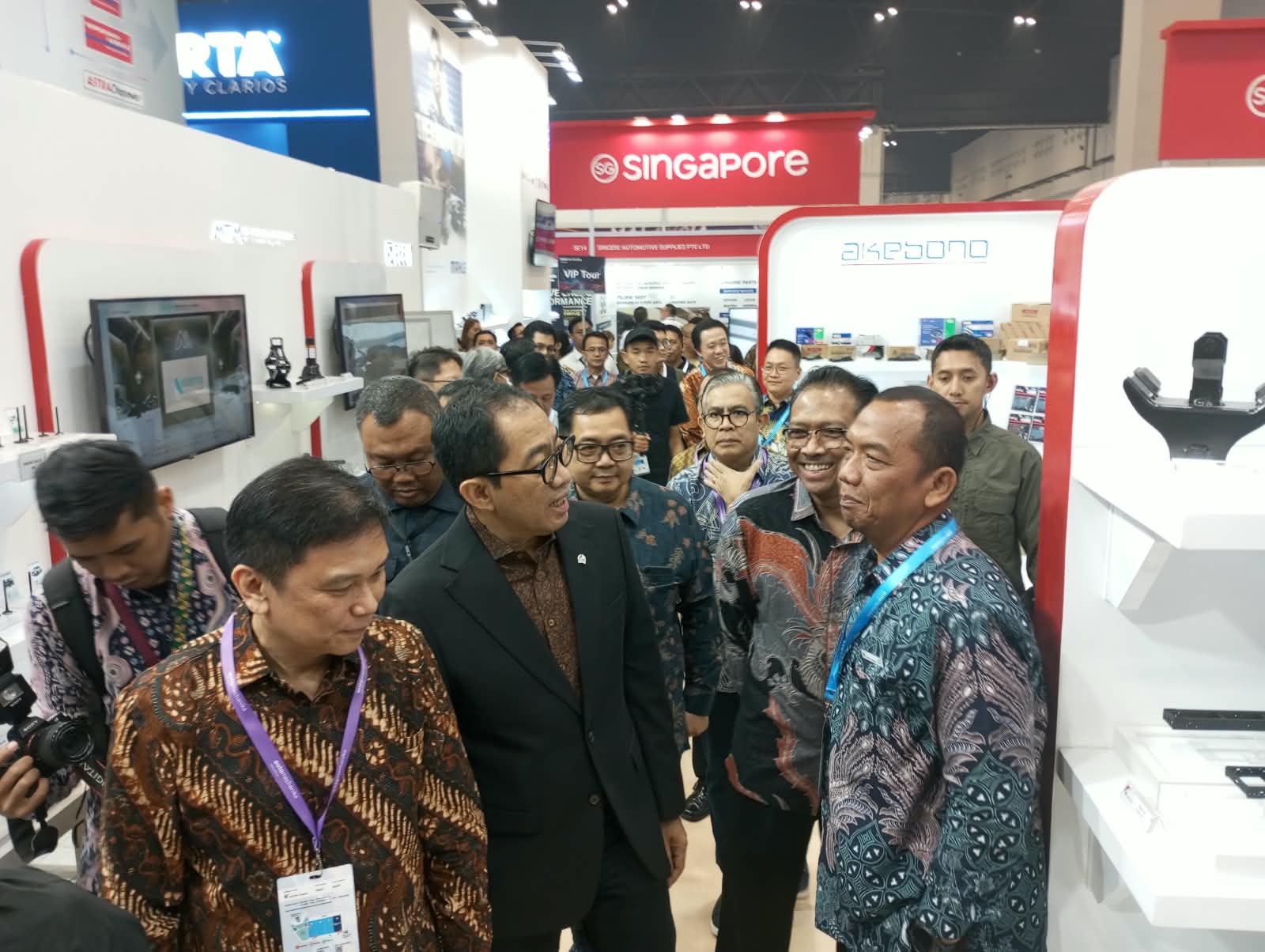
TANGERANG, Jakartaweekly.com — Deputy Minister of Industry Faisol Riza said Indonesia still has significant room for growth in the automotive sector. One indication is the country’s car ownership ratio, which currently stands at only around 99 vehicles per 1,000 people.
According to Faisol, the ratio remains well below that of several other Southeast Asian countries. Malaysia has a car ownership ratio of around 673 vehicles per 1,000 people, while Thailand’s stands at approximately 275 vehicles per 1,000 people.
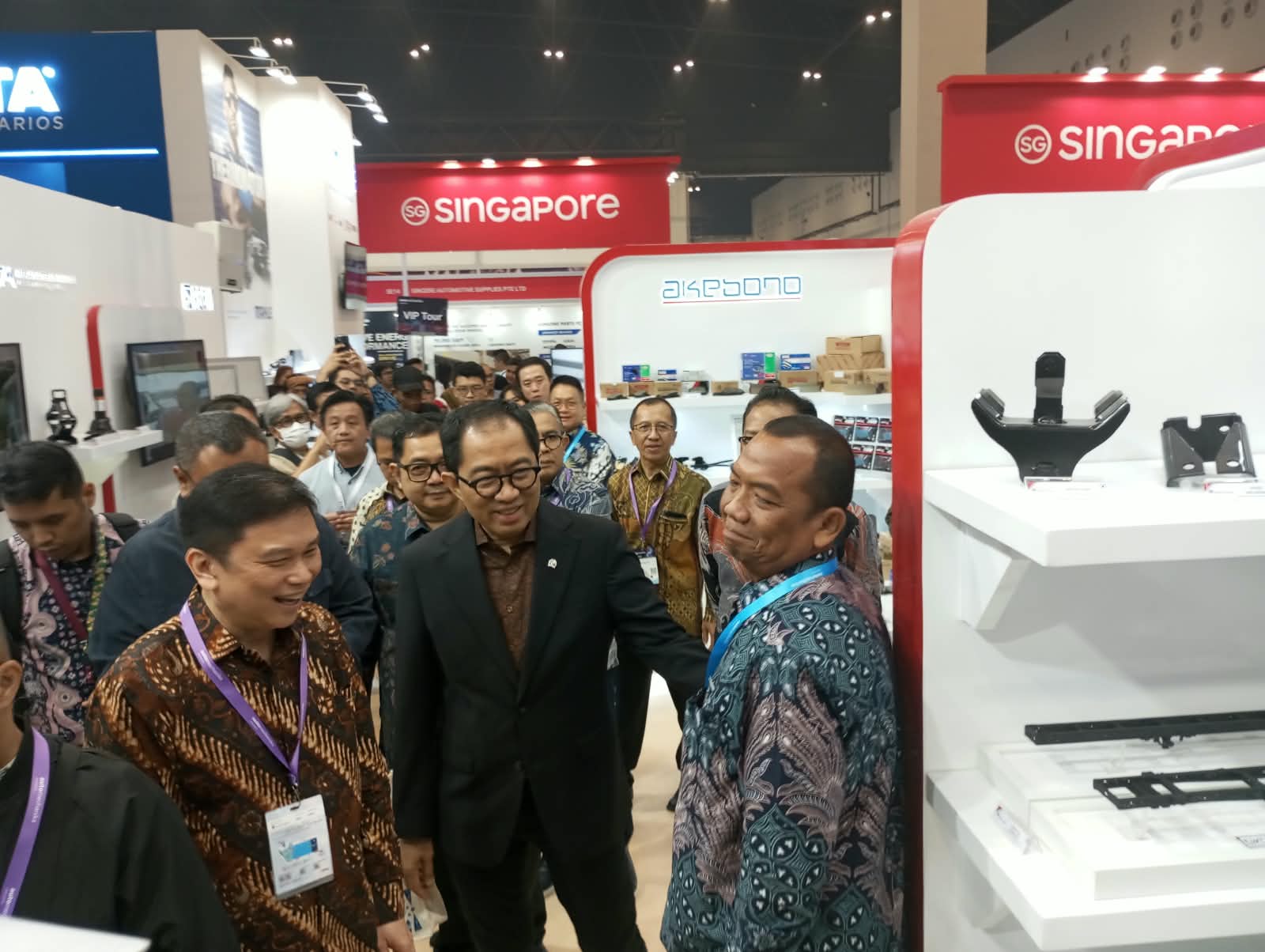
“This shows that Indonesia’s automotive market still has enormous room for growth,” Faisol said when opening Automechanika Jakarta 2026 in Tangerang on Thursday, Sept. 24, 2026.
The government, he said, is targeting an increase in Indonesia’s car ownership ratio to 150 vehicles per 1,000 people. The increase is estimated to correspond to annual vehicle sales of around 1.5 million units.
“I am confident that Indonesia’s domestic automotive industry has sufficient capacity to meet this level of demand,” he said.
Faisol said the potential is supported by the continued positive performance of Indonesia’s automotive industry during January-August 2026.
Domestic production grew 13.4% year-on-year during the period to around 1.86 million units. Meanwhile, domestic sales were reported to have grown 20%.
Exports also recorded growth. Exports of completely built-up (CBU) vehicles increased 0.9%, while automotive component exports rose 41%.
“This further underscores Indonesia’s role as a production and assembly base, rather than merely a market or seller of finished products,” Faisol said.
Two-Wheeler Industry
Faisol also highlighted the significant potential of Indonesia’s two-wheeler industry. He said Indonesia is one of the world’s largest motorcycle markets.
From January to August 2026, domestic motorcycle sales reached around 4.3 million units, up 2.2% from the same period a year earlier.
According to Faisol, the growth occurred despite pressure on household purchasing power. Market performance was also supported by fiscal and financing policies.
“This market is not stagnating; it continues to grow,” he said.
In addition to the domestic market, exports of two-wheelers and their components have also become an important part of efforts to strengthen Indonesia’s automotive industry.
Government Supports Multiple Vehicle Technologies
Faisol said the government would continue to support the development of various vehicle technologies. The policy covers battery electric vehicles, hybrid vehicles, plug-in hybrids, internal combustion engine vehicles, as well as the use of biofuels.
He said this approach is necessary to maintain the industry’s competitiveness while supporting the achievement of the net-zero emissions target.
“We want to create a level playing field so that the industry remains internationally competitive while moving toward the net-zero emissions target,” he said.
In addition to supporting different technologies, the government is also encouraging greater use of locally produced components through local-content policies.
Faisol said that as of July 2026, there were 18 participants in the program. The number of local suppliers increased from 142 to 322 companies, representing growth of around 127%. Recorded investment reached Rp5.73 trillion.
Opportunities in Electric Vehicle Components
The government has also established local-content targets for battery electric vehicles. Under Presidential Regulation No. 79 of 2023, the minimum local-content requirement is set at 40% for the 2022-2026 period, rising to 60% in 2027-2029 and 80% from 2030 onward.
Faisol said achieving these targets will require stronger domestic production of components, including battery cells, electric motors, power electronics, and battery management systems.
“This represents a major opportunity for high-technology companies,” he said.
He emphasized that the government would continue to support Indonesia’s automotive industry as it navigates technological changes and shifts in the global industry.
“Let us work together to master new technologies, deepen the domestic industrial structure, and make Indonesia a leading player in the regional and global automotive industry,” Faisol said.
Components Industry Calls for Stronger Partnerships
Meanwhile, Chairman of the Association of Indonesian Automotive and Motorcycle Equipment Industries (GIAMM), Yusak Kristian, said the staging of Automechanika Jakarta 2026 represents an important moment for Indonesia’s automotive components industry.
According to Yusak, the exhibition brings together local and international industry players to exchange ideas while exploring new business opportunities.
“As representatives of the automotive components industry, we are committed to supporting the sustainable growth of Indonesia’s components industry, strengthening its competitiveness, and expanding Indonesia’s role in the global automotive supply chain,” Yusak said.
He said Indonesia’s automotive components industry has developed alongside the growth of the country’s vehicle industry. A number of components produced in Indonesia are also exported to various countries.
However, the components industry is undergoing changes driven by the shift toward electrification and digitalization, as well as rising demands for quality and performance.
For this reason, Yusak hopes Automechanika Jakarta will serve not only as a platform for exhibiting products, but also as a forum for exchanging knowledge and experience and building partnerships.
“Through this exhibition, we also hope that more Indonesian industry players will be able to establish new partnerships and gain valuable insights,” he said.
Yusak added that collaboration between the government, industry, and other stakeholders is needed to strengthen the position of Indonesia’s components industry in the regional and global automotive supply chain.
Discover more