Toyota Indonesia Exports 145,080 Vehicles in H1 2026, Up 10.7%
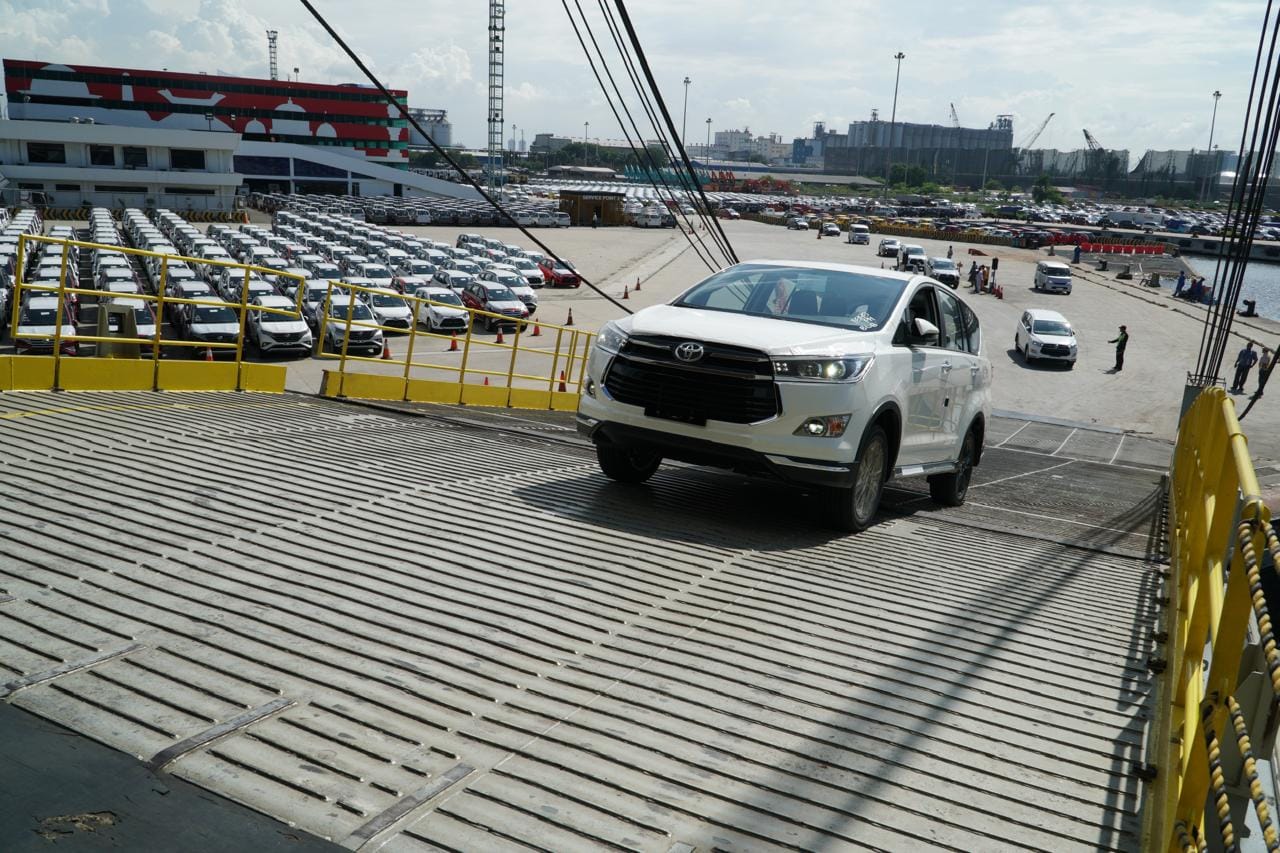
JAKARTA, Jakartaweekly.com — PT Toyota Motor Manufacturing Indonesia (TMMIN) exported 145,080 completely built-up (CBU) vehicles during the first half of 2026, marking a 10.7% increase from the same period last year, according to data from the Association of Indonesian Automotive Industries (GAIKINDO).
The performance made Toyota Indonesia the country’s largest automotive exporter, accounting for 57.6% of Indonesia’s total CBU exports of 251,705 units in the January–June 2026 period. Overall, Indonesia’s automotive exports rose by approximately 7.7% during the first six months of the year.
TMMIN President Director Nandi Julyanto said the company’s export growth was driven by close collaboration with more than 760 local suppliers, including small and medium-sized enterprises (SMEs), as well as continued support from the Indonesian government.
“Our consistent export performance reflects the hard work of Indonesia’s workforce and the strong collaboration among more than 760 local suppliers, including SMEs, alongside the government’s support. Together, these stakeholders have strengthened the competitiveness of Indonesia’s automotive industry amid ongoing global geopolitical challenges,” Nandi said in Jakarta recently.
Since launching its export operations in 1987, Toyota Indonesia has shipped 3,296,874 locally manufactured vehicles to more than 100 countries across Asia, South America, Africa, the Middle East, Australia, and Oceania as of the first half of 2026.
Asia remained the company’s largest export destination, accounting for 57.8% of total shipments, followed by the Americas with 29.5% and the Middle East with 12%.
Toyota said export growth was supported by resilient domestic demand, higher local content, the continued expansion of Indonesia’s automotive ecosystem, and government policies aimed at strengthening the industry’s competitiveness.
In addition to finished vehicles, the company also exports completely knocked down (CKD) kits, automotive components, fully assembled engines, engine parts, and manufacturing equipment such as stamping dies.
Among individual models, the Toyota Avanza and Veloz led exports with 32,571 units shipped during the January–June period, followed by the Raize with 26,082 units and the Yaris Cross with 20,441 units.
Toyota also recorded robust growth in electrified vehicle exports. Shipments of the Kijang Innova Zenix Hybrid Electric Vehicle (HEV) and the Yaris Cross Hybrid EV rose 46.4% year on year to 12,693 units in the first half of 2026.
Since exports of the two hybrid models began in 2023, their cumulative overseas shipments have exceeded 62,906 units.
TMMIN Vice President Director I Nyoman Winaya Adnyana said sustaining export growth would depend on continuous innovation and the industry’s ability to adapt to changing regulations and evolving consumer preferences across international markets.
“Going forward, we will continue expanding our market presence, enhancing product quality standards, and strengthening our portfolio of environmentally friendly vehicles. Indonesia’s automotive industry must remain at the forefront of the transition by building an electrified vehicle ecosystem capable of meeting growing global demand for low-emission mobility solutions,” Nyoman said.
Toyota Indonesia also reaffirmed its commitment to its multi-pathway strategy by producing Battery Electric Vehicles (BEVs) and Hybrid Electric Vehicles (HEVs), while promoting the development of Flexible Fuel Vehicles (FFVs) powered by bioethanol.
According to the company, the initiative is expected not only to support the decarbonization of the transportation sector but also to strengthen Indonesia’s manufacturing industry, improve farmers’ welfare through the use of domestically produced bioethanol feedstock, and reduce the country’s dependence on imported fossil fuels.
Automotive Supply ChainCBU ExportsElectric Vehicle Manufacturing.gaikindoHybrid Vehicle ExportsIndonesia Automotive ExportsKijang Innova Zenix HybridTMMINToyota IndonesiaYaris Cross Hybrid
Discover more