Electric Mining Trucks Inevitable, Charging Infrastructure Remains a Challenge

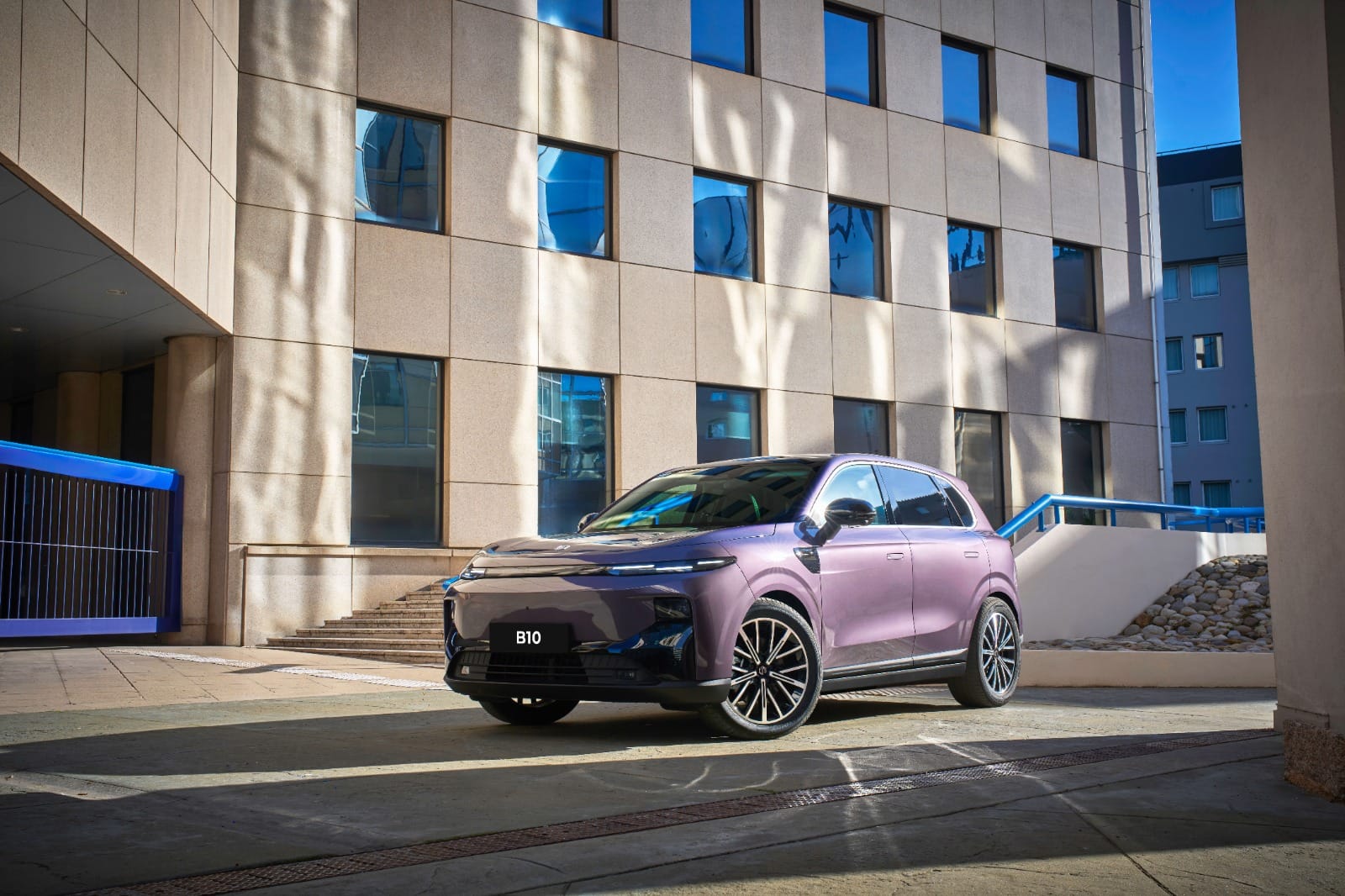
JAKARTA, JakartaWeekly.com — The use of electric vehicles (EVs) in Indonesia’s mining industry is considered inevitable as the sector moves toward an energy transition. However, adoption still faces challenges, particularly the availability of electricity for charging at mining sites located in remote areas.
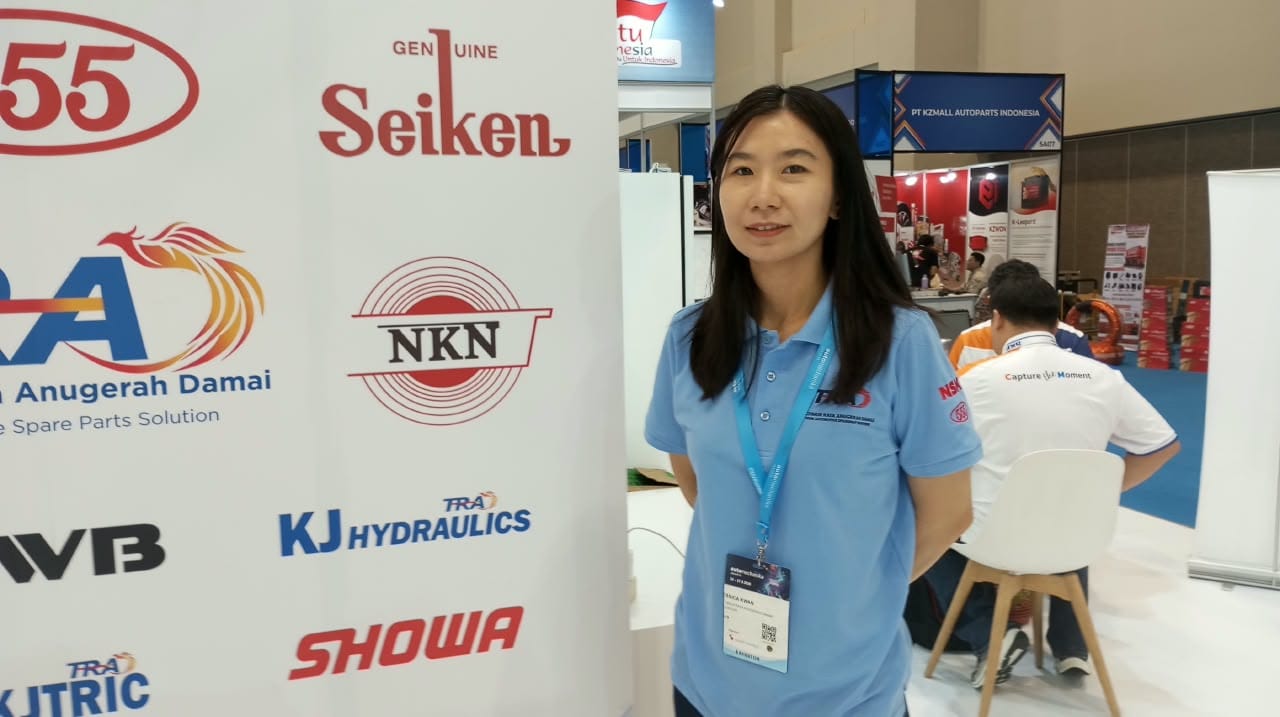
Lubrizol Mining Team Lead Serena Yei said electric mining trucks will become part of the development of Indonesia’s mining industry, although the pace of adoption will depend on companies’ ability to adapt to the technology.
“I do see that the EV trucks is unavoidable. It will come,” Serena said in an interview in Jakarta.
She said several key stakeholders in Indonesia’s mining companies have already begun testing electric vehicles, including EV fleets.
However, EV adoption still faces several challenges. One of them is the location of mining operations, which are often in remote areas, making access to electricity for charging an issue that needs to be addressed.
“If you look at remote areas, we need to think about how you get your power to do charging,” she said.
Serena said the adoption of EVs may not immediately extend to all types of vehicles used at mining sites. According to her, EVs may be more feasible for vehicles operating on public roads than for large haul trucks used in mining operations.
“Maybe it might not be in the mining site, but maybe on-road, when the trucks are not the big mine haul trucks. But on those fleets, it’s still possible,” she said.
According to Serena, the development of electric vehicles is one of the changes that will shape the mining industry. The transition also needs to be viewed as part of a broader system, as the electricity required to power EVs must be supported by sufficient energy generation.
“You thought you save the energy from the truck, but on the other hand, charging, you’re burning something. So there’s always a balance,” she said.
She said stakeholders across the mining ecosystem need to work together to address the transition. Collaboration is needed among the government, original equipment manufacturers (OEMs), mining companies and technology providers.
The government, Serena said, has a role in setting standards and policies, including emissions policies. OEMs, meanwhile, need to consider changes in equipment design to make machinery more durable.
“This is really the collaboration from not just one person can achieve, but really from multiple stakeholders,” she said.
Serena also expects digitalization to become part of the transformation of the mining industry. One application is the use of sensors to monitor lubricant conditions in machinery.
With such monitoring, lubricant changes do not have to be based solely on time intervals or operating hours. Sensors can provide information on lubricant conditions, including potential contamination or other issues.
The shift, Serena said, moves equipment maintenance from a reactive approach toward a more proactive one and can help extend vehicle life.
“You see the whole trend is shifting to digitalization,” she said.
Serena said these developments will form part of the direction of the mining industry going forward, as the sector seeks to create more sustainable value.
Discover more