Halal Indo 2026 Connects Indonesian Businesses with Global Halal Markets
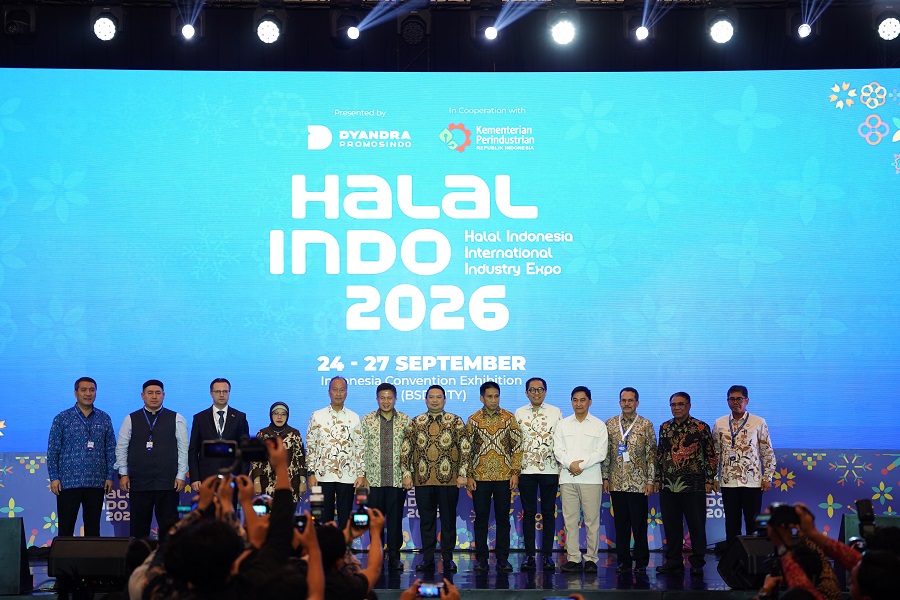
JAKARTA — Jakartaweekly.com Indonesia is looking to strengthen its position in the global halal industry through Halal Indonesia International Industry Expo (Halal Indo) 2026, which brings more than 350 brands to ICE BSD City, Tangerang, from September 24–27.
Organized by the Ministry of Industry (Kemenperin) in collaboration with PT Dyandra Promosindo, the expo occupies Halls 3 and 3A of ICE BSD City and targets around 30,000 visitors. The event brings together businesses across the halal industry while creating opportunities for business matching, market access and international partnerships.
The 2026 edition also reflects the growing international interest in Indonesia’s halal market. Participants and prospective buyers from more than eight countries are attending, including Tunisia, Kazakhstan, Pakistan, Malaysia, Vietnam, the United States and New Zealand. Halal Indo is also connected with international halal trade events, including Mega Halal Bangkok in Thailand and MIHAS in Malaysia.
Connecting Indonesian Businesses with Global Markets
Kemenperin is participating in Halal Indo 2026 by facilitating 174 halal industries from various subsectors. The ministry is also providing public services, halal industry workshops and business matching sessions designed to connect Indonesian businesses with potential partners and buyers.
The participation is part of the government’s broader effort to strengthen the halal industry from production and certification to market expansion.
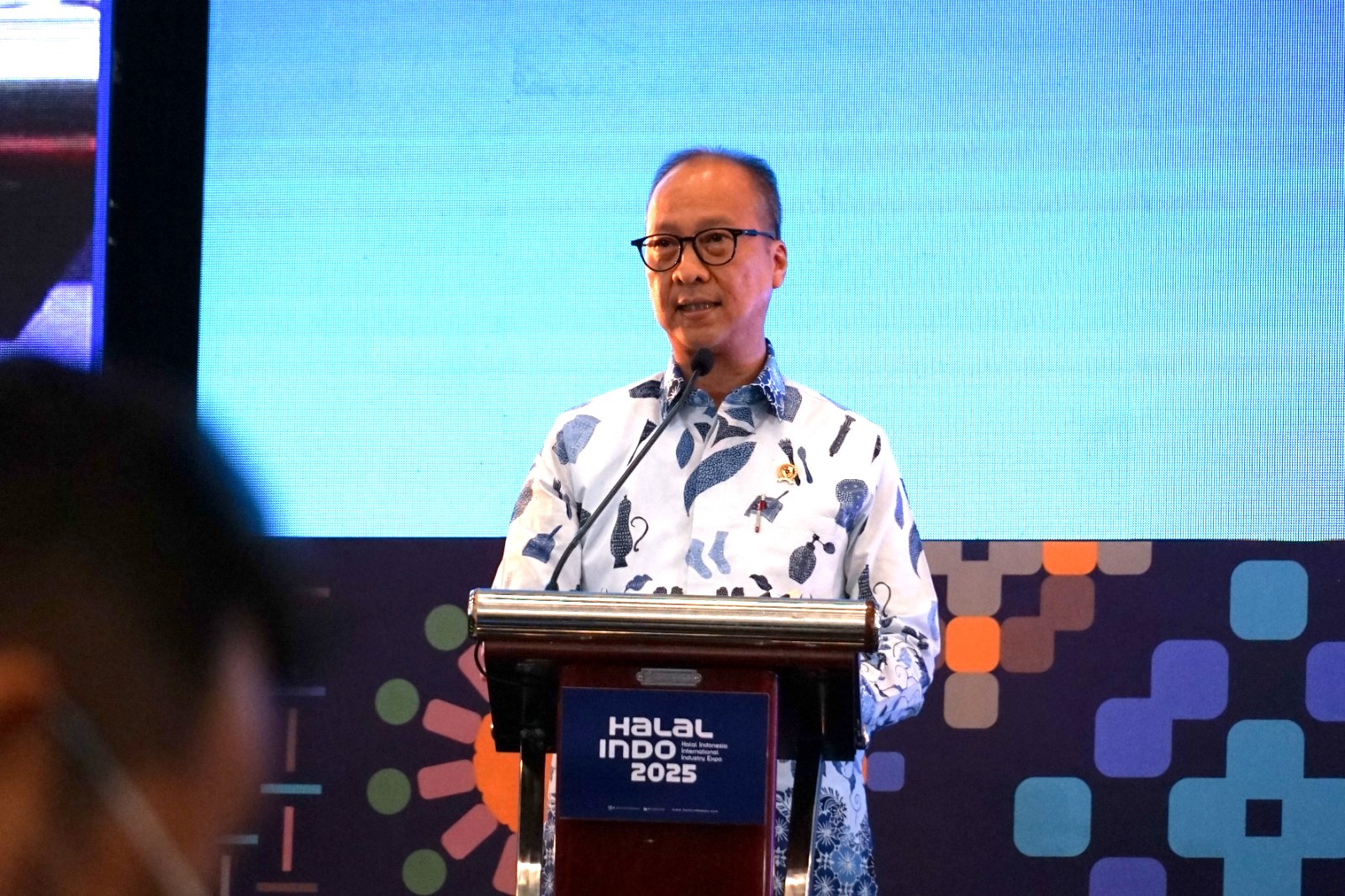
At the opening of Industrial Festival x Halal Indo 2026 on Thursday, Industry Minister Agus Gumiwang Kartasasmita said Indonesia has the potential to move beyond being a large halal consumer market and become a producer and supplier for global markets.
According to Agus, Muslim consumers spent US$2.6 trillion across six halal economy sectors in 2024, with the figure projected to reach US$3.56 trillion by 2029.
Indonesia also has a substantial domestic market. Household consumption reached Rp6,876.70 trillion in the first half of 2026, while more than 252.8 million Indonesians, or around 87.14% of the population, are Muslim, according to figures cited by the ministry.
Building the Halal Industry Ecosystem
The scale of Indonesia’s halal industry is also reflected in the number of certified businesses and products. By the end of the first half of 2026, Kemenperin recorded 2.67 million industrial companies with halal certification.
The figure includes 2.32 million halal food businesses, 342,090 halal beverage businesses and 5,341 businesses in chemicals, pharmaceuticals and traditional medicine.
The number of certified industrial products reached 5.49 million, supported by 2.76 million halal certificates.
Kemenperin is using Halal Indo as one platform to connect these businesses with a wider market while addressing challenges around certification, production capacity, raw materials, research and innovation.
The ministry has also introduced the Roadmap for Halal Industry Development 2025–2029 through Minister of Industry Regulation No. 40 of 2025. The roadmap sets out policy directions and measurable targets for developing the national halal industry.
From Certification to Competitiveness
A key focus for the government is the implementation of mandatory halal certification, which is scheduled for October 18, 2026.
Agus said the certification requirement should be viewed not only as a compliance measure but also as a way for businesses to strengthen consumer confidence and gain access to wider markets, including exports.
Indonesia’s halal exports to Organisation of Islamic Cooperation (OIC) member countries reached US$12.51 billion in 2024, up 4.61% from the previous year. At the same time, imports of halal products from OIC countries reached US$31.52 billion, highlighting the gap between Indonesia’s production capacity and domestic demand.
Halal Indo 2026 is positioned within this broader effort to strengthen domestic production and connect Indonesian halal businesses with international markets.
Beyond the exhibition, the Industrial Festival and Halal Indo 2026 also provide consultation services for businesses, including assistance with updating their Indonesian Standard Industrial Classification (KBLI) and reporting third-quarter 2026 industrial data through the National Industrial Information System (SIINas).
Through its exhibition, business matching, workshops and public services, Halal Indo 2026 brings together different parts of Indonesia’s halal industry ecosystem while opening opportunities for businesses to expand beyond the domestic market.
Discover more