CarbonEthics Highlights Early Funding for Indonesia’s Blue Carbon Potential
JAKARTA, JakartaWeekly.com— CarbonEthics has highlighted early-stage funding, or patient capital, as a key requirement for realizing Indonesia’s blue carbon potential. Such funding is needed to take projects from the development stage to the issuance of their first carbon credits, before large investors and carbon buyers can enter.
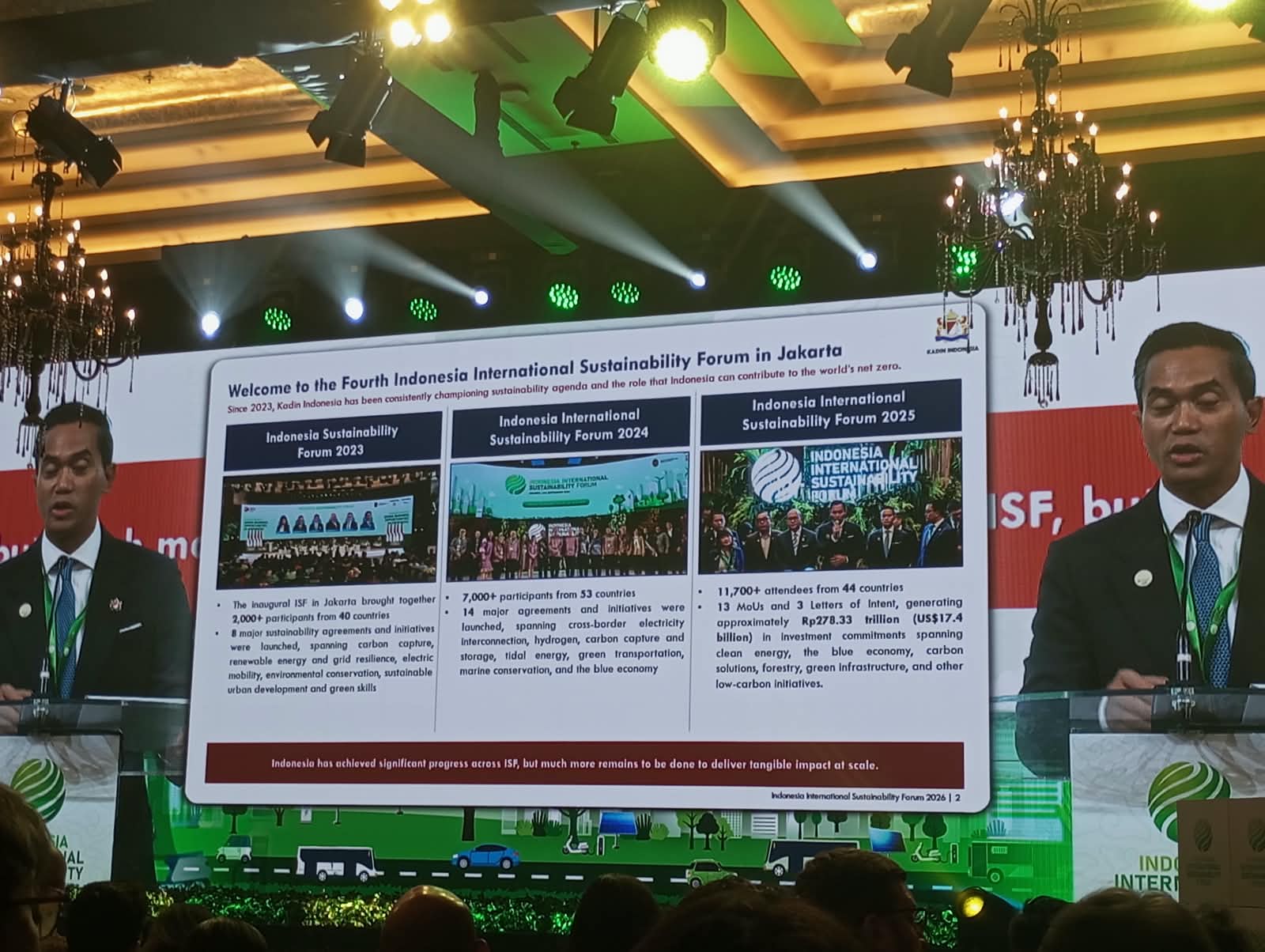
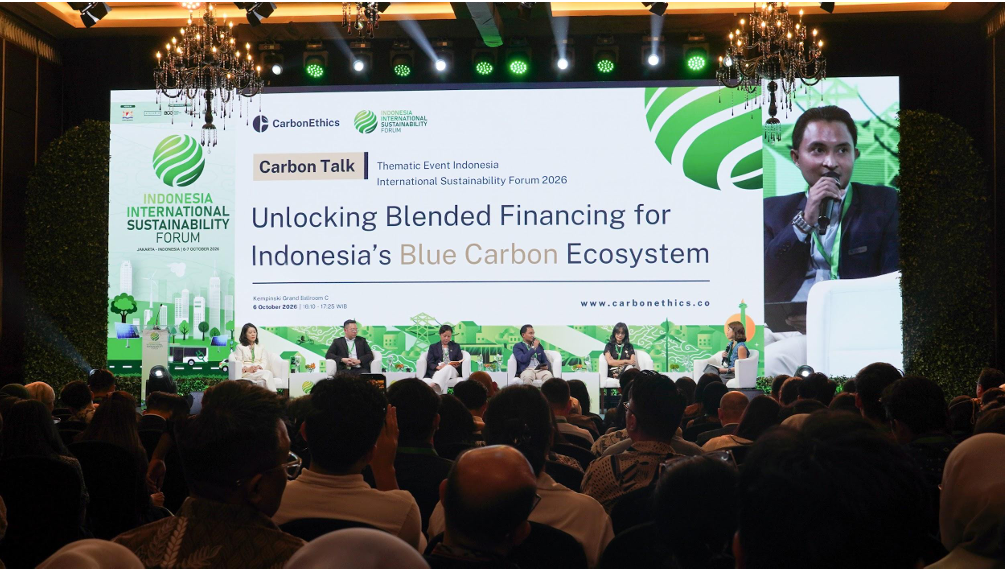
The point was made by CarbonEthics Co-Founder and Chief Executive Officer Bimo Soewadji during the Carbon Talk: Unlocking Blended Financing for Indonesia’s Blue Carbon Ecosystem, organized by CarbonEthics as part of the Indonesia International Sustainability Forum (ISF) 2026 in Jakarta on October 7, 2026.
“Indonesia is not short of blue carbon potential. Interest in purchasing blue carbon credits is also beginning to grow. The remaining gap is early-stage funding, patient capital to take projects from development to the issuance of their first carbon credits, before large investors and carbon buyers can come in,” Bimo said.
According to CarbonEthics, developing blue carbon ecosystem projects requires investment from the early stages. Such investment is needed to understand ecosystem conditions, design projects, engage with local communities, and ensure projects can operate credibly over the long term.
Indonesia has around 3.44 million hectares of mangrove forests, accounting for more than 20% of the world’s mangrove area. The potential is seen as an opportunity to support efforts to protect coastal ecosystems while strengthening climate action and providing benefits to communities that depend on coastal ecosystems.
To advance such development, CarbonEthics emphasized the importance of collaboration among the public and private sectors, investors, project developers, and communities. Through the Carbon Talk session, various stakeholders were brought together to discuss opportunities for collaboration and financing from the early stages until projects are able to attract further funding.
Shinta Kamdani, Coordinating Deputy Chair for Human Development, Culture, and Sustainable Development at the Indonesian Chamber of Commerce and Industry (KADIN), said Indonesia needs to consider three key areas in using blended finance mechanisms to unlock the potential of blue carbon.
“There are three key things that Indonesia needs to consider in using blended finance mechanisms to unlock blue carbon potential. First, ensuring the quality and integrity of the carbon credits developed in accordance with internationally recognized standards and practices. Second, prioritizing non-commercial funding sources to support the preparation stage and reduce risks for commercial financing. Third, ensuring that the economic benefits of blue carbon development are shared fairly with coastal communities,” Shinta said.
In addition to funding, the discussion highlighted the importance of community involvement in blue carbon project development. CarbonEthics said the benefits of restoration should be felt by communities living around these ecosystems, making meaningful community engagement an important part of project development.
Jan Yoshioka of Conservation International said the quality and integrity of blue carbon projects need to go hand in hand with benefits for local communities.
“High integrity and quality must ensure tangible benefits for communities. The benefits to communities should not be measured only by carbon revenues, but also by their contribution to livelihoods,” Jan said.
The Carbon Talk session was opened by Bimo Soewadji and featured Shinta Kamdani and Dr. Eddy Soeparno of the People’s Consultative Assembly (MPR RI) as keynote speakers. The discussion was moderated by Elle Wibisono, Ph.D., of Georgetown SFS Asia Pacific, with Jan Yoshioka of Conservation International, Dini Indrawati Septiani of AVPN, Flora Ji of Rubicon Carbon, and Agus Maulidan of AirAsia Indonesia.
The speakers discussed blue carbon development from various perspectives, including the need for investment from the early stages, the role of the private sector in developing nature-based solutions, and the evolving demand in the carbon market.
CarbonEthics said Indonesia is at an important juncture to connect its natural potential with investment, innovation, and collaboration in developing blue carbon. Support from various stakeholders could help advance blue carbon ecosystem development to support restoration, climate action, and stronger livelihoods for coastal communities.
Discover more