SW Indonesia Advances Sustainability Through Global Experience and Technology
JAKARTA – Jakartaweekly.com. The next phase of sustainability will be shaped not only by regulation, but also by how effectively organizations learn from global experience, use technology and translate sustainability ambitions into measurable business practices.
As environmental and social challenges become increasingly interconnected across borders, organizations need more than local solutions. They also need access to international perspectives, reliable data, technological capabilities and professional collaboration to turn sustainability principles into practical action.
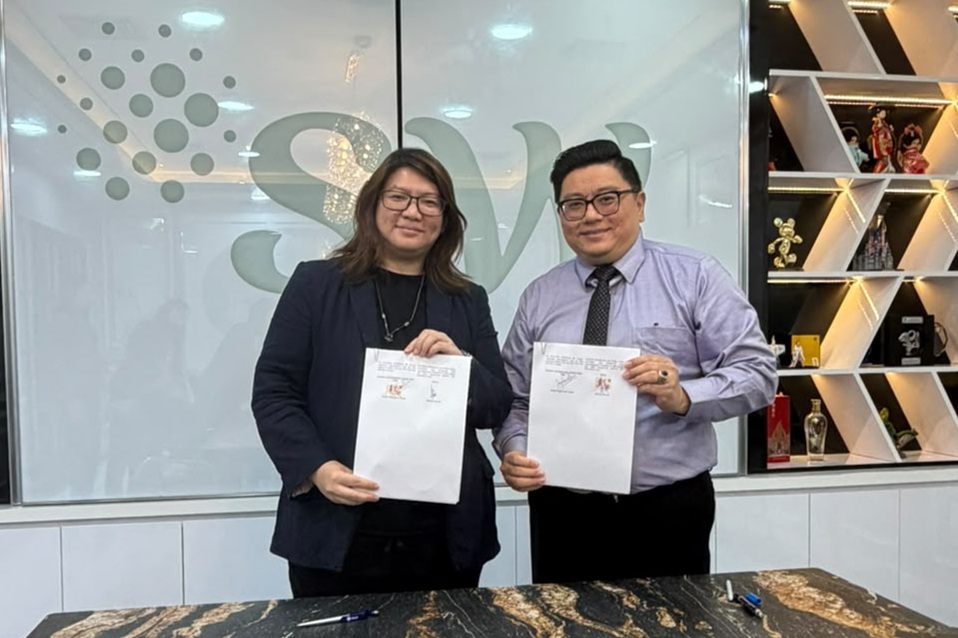
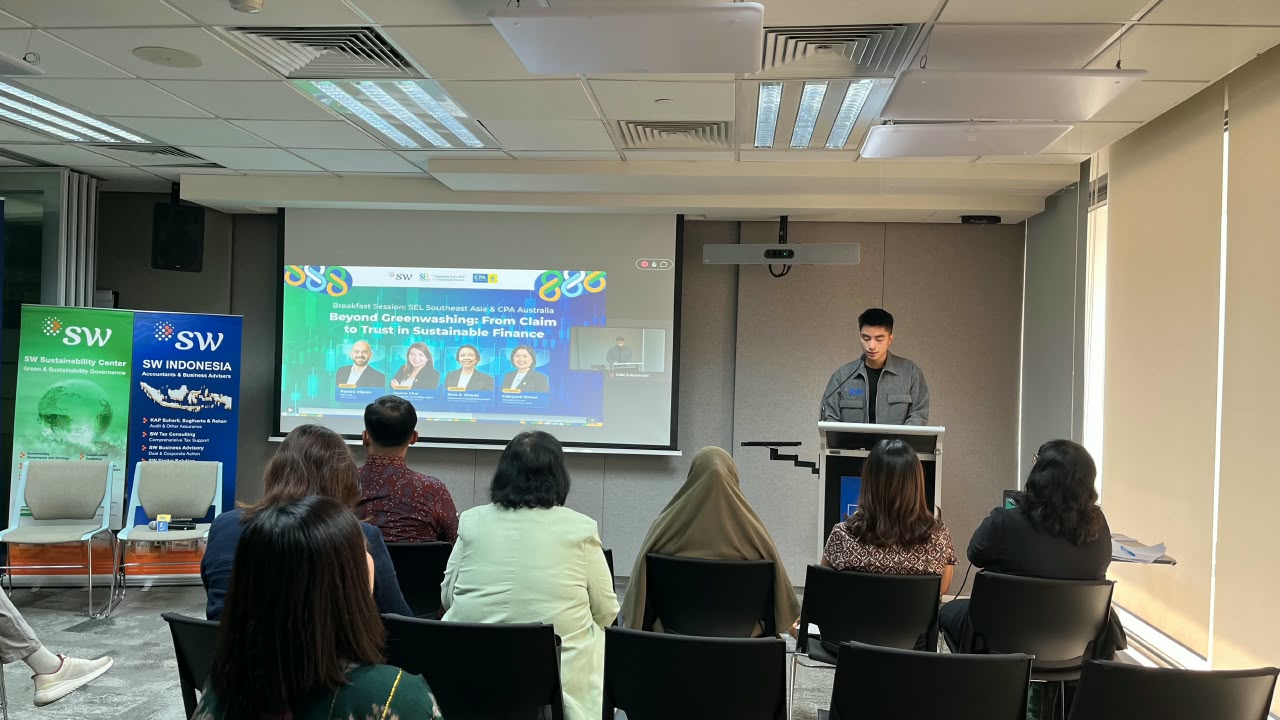
This perspective was highlighted during the international breakfast session “Beyond Greenwashing: From Claim to Trust in Sustainable Finance,” organized by SW Indonesia in collaboration with CPA Australia and SEL South East Asia.
Held in a hybrid format at CPA Australia, World Trade Centre 5 in Jakarta, the forum brought together sustainability perspectives and practices from Australia, Malaysia and Indonesia.
Rather than treating international experience as a model to be replicated without context, the discussion focused on the value of cross-border learning. Different markets are progressing through sustainability transformation at different speeds, regulatory environments and levels of technological maturity.
Bringing these experiences together can help businesses and professionals identify what can be adapted to local conditions, what needs to be strengthened and where technology can support further progress.
Global Experience Meets Technology
The session featured Patrick Viljoen, ESG Lead at CPA Australia, representing perspectives from Australia; Joyline Chai from Malaysia; and Elvia R. Shauki from Indonesia. The discussion was moderated by Febryanti Simon, Managing Director of SEL South East Asia.
The speakers shared perspectives from their respective markets on sustainability information integrity, technology, metrics and measurement, as well as the broader challenge of building trust in sustainability practices.
Across the discussion, technology emerged as an important enabler. Digital systems can strengthen the collection and processing of sustainability data, improve consistency in measurement, support monitoring and create stronger foundations for reporting and assurance.
However, technology alone does not create credibility. Its value depends on the governance, professional judgment, data quality and ethical principles surrounding its use.
The connection between global experience, professional expertise and technology is becoming increasingly important as organizations integrate sustainability into their core business processes.
Sustainability is increasingly becoming part of how companies measure performance, manage risks, allocate resources, use information and make long-term decisions.
Bringing Global Insights Into Local Practice
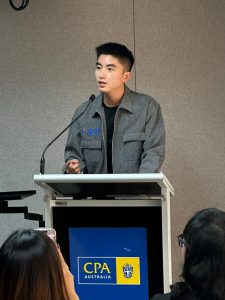
In his remarks, Mozes Aldridge Suharli, International and Community Engagement at SW Indonesia, reaffirmed the company’s commitment to contributing to the development of sustainability practices in Indonesia.
The exchange of sustainability experiences between Indonesia, Malaysia and Australia is expected to create broader opportunities for environmental sustainability, social development and shared prosperity.
For SW Indonesia, international collaboration provides a channel through which global knowledge can be applied to the realities and needs of Indonesian businesses.
The approach also reflects the broader role of the accounting and consulting profession. As sustainability becomes increasingly connected to corporate reporting, governance, risk management, technology and assurance, professionals are expected not only to respond to change but also to help organizations build the capabilities needed to navigate it responsibly.
SW Indonesia therefore views sustainability development as an ecosystem effort involving accountants, consultants, sustainability practitioners, technology professionals, businesses, regulators, academics and professional organizations.
Each brings different capabilities, and connecting those capabilities can help move sustainability from aspiration to implementation.
Building a Regional Sustainability Ecosystem
Cross-border professional collaboration also carries significance beyond technical knowledge.
At a time of geopolitical uncertainty, economic fragmentation, technological disruption and growing environmental pressures, sustainability can provide common ground for institutions across countries to continue working together.
A stronger regional professional ecosystem can facilitate the exchange of knowledge, technology, standards and practical experience while allowing each country to develop approaches suited to its own economic and social context.
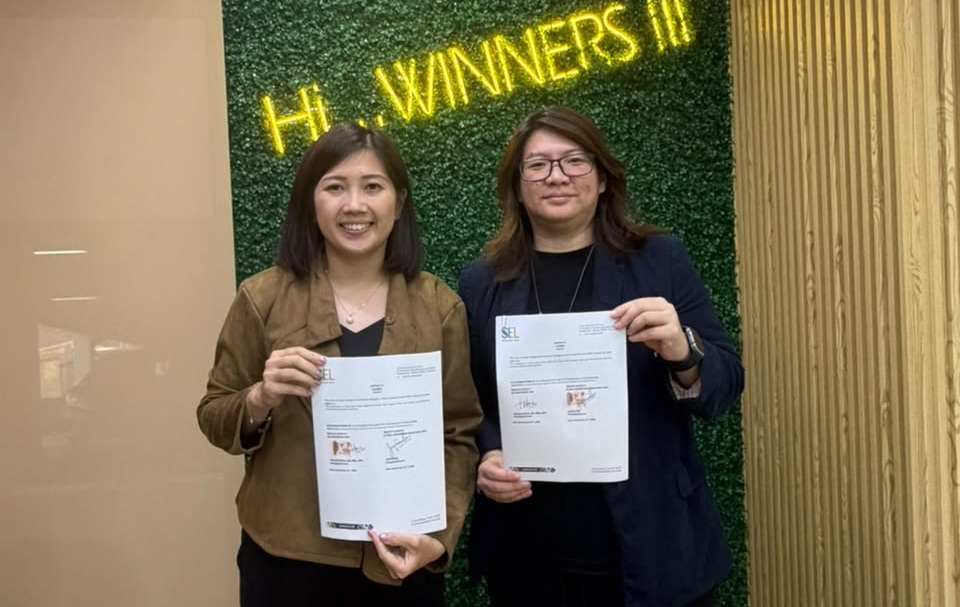
Through its collaboration with CPA Australia and SEL South East Asia, SW Indonesia is bringing international experience closer to Indonesian practice while also contributing Indonesia’s perspectives to the wider regional professional community.
The objective is not simply to increase discussion around sustainability, but to make it more actionable—supported by international learning, strengthened by technology and translated into measurable impact.
Discover more