SEL Southeast Asia Expands Sustainability Learning
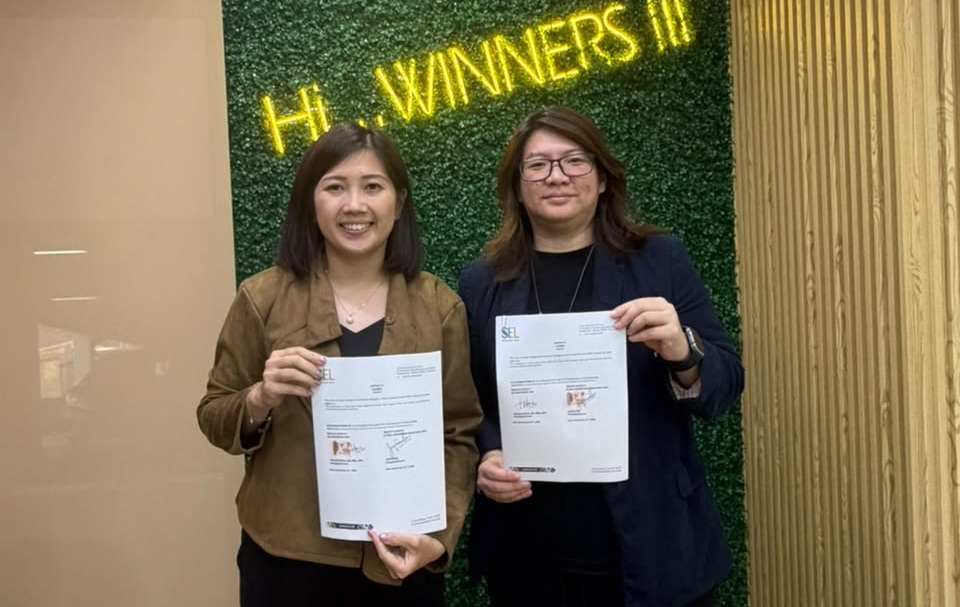
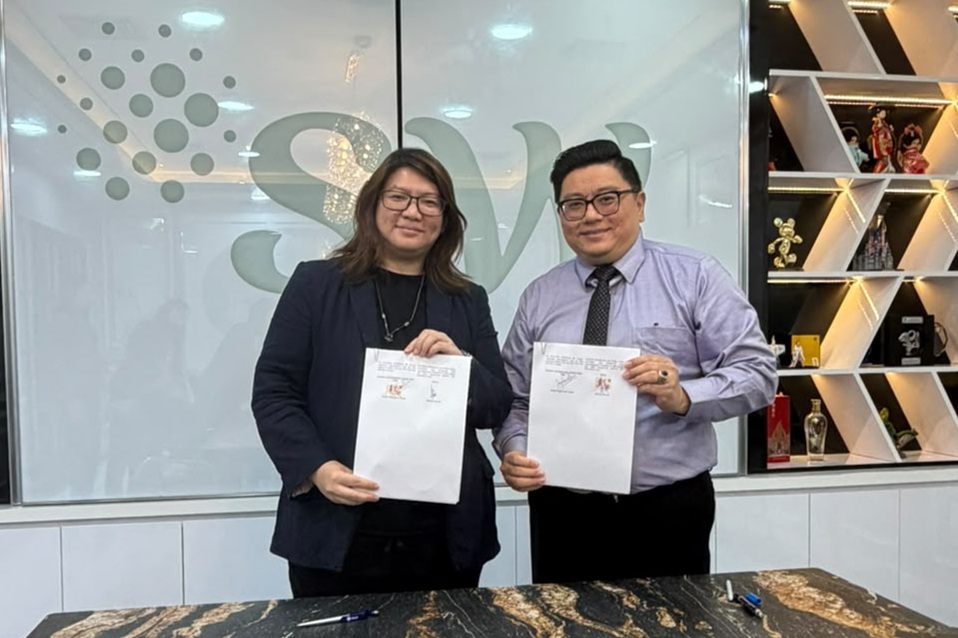
JAKARTA — Jakartaweekly.com. As sustainability becomes increasingly connected to data, reporting systems and business decision-making, professional education is also evolving. SEL Southeast Asia is expanding its professional learning platform through the introduction of the Sustainability Technology Professional Program, developed in collaboration with Malaysia-based Global Hemisphere Group Sdn. Bhd.
The program builds on SEL Southeast Asia’s existing professional training and international certification initiatives, while introducing a stronger focus on the practical use of sustainability data and technology.
Rather than focusing solely on sustainability principles, standards and reporting frameworks, the program explores how information is collected, measured, analyzed and applied to business decisions.
Participants will examine areas including ESG assessment, carbon accounting and greenhouse gas (GHG) emissions calculation, sustainability data management, technology-enabled reporting and practical implementation.
According to Dr. Febryanti Simon, CPA., CSRS, Managing Director of SEL Southeast Asia, the initiative reflects the changing requirements of sustainability-related professions.
“Professional education must evolve at the same pace as the professions themselves. Sustainability professionals today are expected not only to understand frameworks, but also to work with data, measurement systems and technology. Our role as a learning institution is to help professionals connect knowledge with application,” said Febryanti.
Beyond Certification
Professional certification remains an important benchmark of knowledge and competence, but changing sustainability practices are creating new requirements beyond formal qualifications.
New reporting requirements, climate-related disclosures, carbon measurement, digital reporting processes and sustainability data governance are increasingly relevant to professionals working across accounting, finance, risk management, internal audit, strategy and corporate sustainability.
The program positions technology as an enabler of professional expertise rather than a replacement for it. Participants are encouraged to understand how technology can improve efficiency, consistency and traceability while maintaining the human judgment needed to assess data quality, materiality and business implications.
This approach also reflects the growing role of technology in sustainability reporting, where professionals need to move beyond producing information to interpreting what it means for their organizations.
A Regional Approach
The collaboration with Global Hemisphere Group Malaysia adds a regional dimension to the program. Southeast Asia encompasses diverse economies, regulatory environments, languages and levels of sustainability maturity, creating a need for learning that combines regional perspectives with local relevance.
The program can be delivered in Bahasa Indonesia, English and Mandarin, allowing organizations and professionals from different backgrounds to participate in the language most appropriate to their learning environment.
Joyline Chai, Managing Director of Global Hemisphere Group Sdn. Bhd., Malaysia, said the combination of technology and professional knowledge will become increasingly important to sustainability practice.
“Technology gives us speed, but knowledge gives us direction. The future of sustainability will belong to professionals who can combine both using technology not simply to produce data, but to turn data into insight, decisions, and meaningful action.”
Michell Suharli, CEO of SW Indonesia, which uses SEL Southeast Asia’s professional learning services through the SW Privilege Program for clients, said the development is relevant as companies prepare their teams for a more data-driven sustainability environment.
“The real value of professional learning is not simply gaining another body of knowledge. It is developing the ability to recognise change early, understand what it means for the business, and respond with better judgement,” said Michell.
He added that technology can accelerate calculations, organize information and help identify patterns, but professionals still need to determine which questions to ask and how to interpret the results.
“Sustainability is global in direction, but implementation always happens within a local business context. Learning across Indonesia, Malaysia and the wider Southeast Asian perspective helps professionals understand both sides of that equation,” he said.
Preparing for the Next Stage
The Sustainability Technology Professional Program represents another step in SEL Southeast Asia’s development as a professional learning platform. Its focus is not simply on teaching participants how to use sustainability technology, but on helping them understand how information should be assessed and how digital tools can support responsible decision-making.
As sustainability practices continue to evolve, SEL Southeast Asia is positioning continuous learning, international certification and practical technology exposure as interconnected elements of professional development across the region.
Discover more