5 Ways to Commemorate Heroes Day in Jakarta, From Kalibata to Monas
JAKARTA, JakartaWeekly.com— Jakarta offers several historical destinations for people who want to commemorate Indonesia’s Heroes Day on November 10. From paying tribute at a national heroes cemetery to exploring museums documenting the country’s independence movement, these places provide opportunities to learn about Indonesia’s history.
Heroes Day commemorates the Battle of Surabaya on November 10, 1945, and honors the sacrifices of those who fought for Indonesia’s independence.
For residents and visitors in the capital, here are five activities to consider when commemorating Heroes Day in Jakarta.
1. Pay Tribute to National Heroes at Kalibata Heroes Cemetery
One of the most meaningful ways to commemorate Heroes Day is by visiting Taman Makam Pahlawan Nasional Utama Kalibata in South Jakarta.
Managed by the Ministry of Social Affairs, the cemetery serves as a burial place for national heroes and other individuals who meet the requirements established by the government.
According to the Ministry of Social Affairs, the cemetery was officially inaugurated by President Soekarno on November 10, 1954. It was originally established following the relocation of a heroes cemetery from Ancol, North Jakarta, to Kalibata.
The site is open to members of the public for individual or group pilgrimages. Visitors can pay their respects and reflect on the contributions of those who fought for the country.
Public pilgrimage hours are listed as 6 a.m. to 6 p.m.
2. Discover the Independence Movement at Museum Joang ’45
Located on Jalan Menteng Raya, Central Jakarta, Museum Joang ’45 offers visitors an opportunity to explore the history of Indonesia’s independence struggle.
According to the Ministry of Culture’s official museum database, the building was originally established as Schomper 1 Hotel in 1938. During the Japanese occupation, Indonesian youth took over the building and used it as a residence and a place for nationalist education.
Several prominent Indonesian figures, including Soekarno, Mohammad Hatta, Adam Malik, and Chaerul Saleh, were associated with activities involving the education of young nationalists.
The museum’s collections include historical photographs, weapons, uniforms, and vehicles associated with the independence struggle. Among its notable exhibits are the official cars of Indonesia’s first president and vice president, known as REP 1 and REP 2.
3. Revisit the Making of the Proclamation at Museum Perumusan Naskah Proklamasi
Another historical destination is Museum Perumusan Naskah Proklamasi on Jalan Imam Bonjol, Menteng, Central Jakarta.
The museum occupies the former residence of Japanese Navy Rear Admiral Tadashi Maeda. The building played an important role in Indonesian history because it was the location where the proclamation text was formulated on August 16, 1945.
According to the Indonesian Heritage Agency under the Ministry of Culture, the museum houses more than 1,000 original and replica historical objects related to the building, the proclamation process, and the figures involved.
Visitors can explore exhibition rooms documenting the stages leading to the proclamation, including the pre-proclamation period, drafting, approval, and typing of the text.
The museum offers an opportunity to understand the events behind one of the most important moments in Indonesia’s history.
4. Explore the Roots of Nationalism at Museum Kebangkitan Nasional
For those interested in the early development of Indonesia’s national movement, Museum Kebangkitan Nasional in Senen, Central Jakarta, is another destination to consider.
The museum occupies the former School tot Opleiding van Inlandsche Artsen (STOVIA), a medical school established for indigenous students during the Dutch colonial period.
According to the Ministry of Culture’s official museum database, construction of the building began in 1899 and was completed in 1902. STOVIA continued operating at the site until 1925, when its educational activities were gradually transferred to Salemba.
The building was designated a cultural heritage site in 1983 and officially established as the Museum of National Awakening in 1984.
Its historical significance is closely associated with the development of education and national consciousness among Indonesians during the colonial era.
5. Learn About Indonesia’s Independence at Monumen Nasional
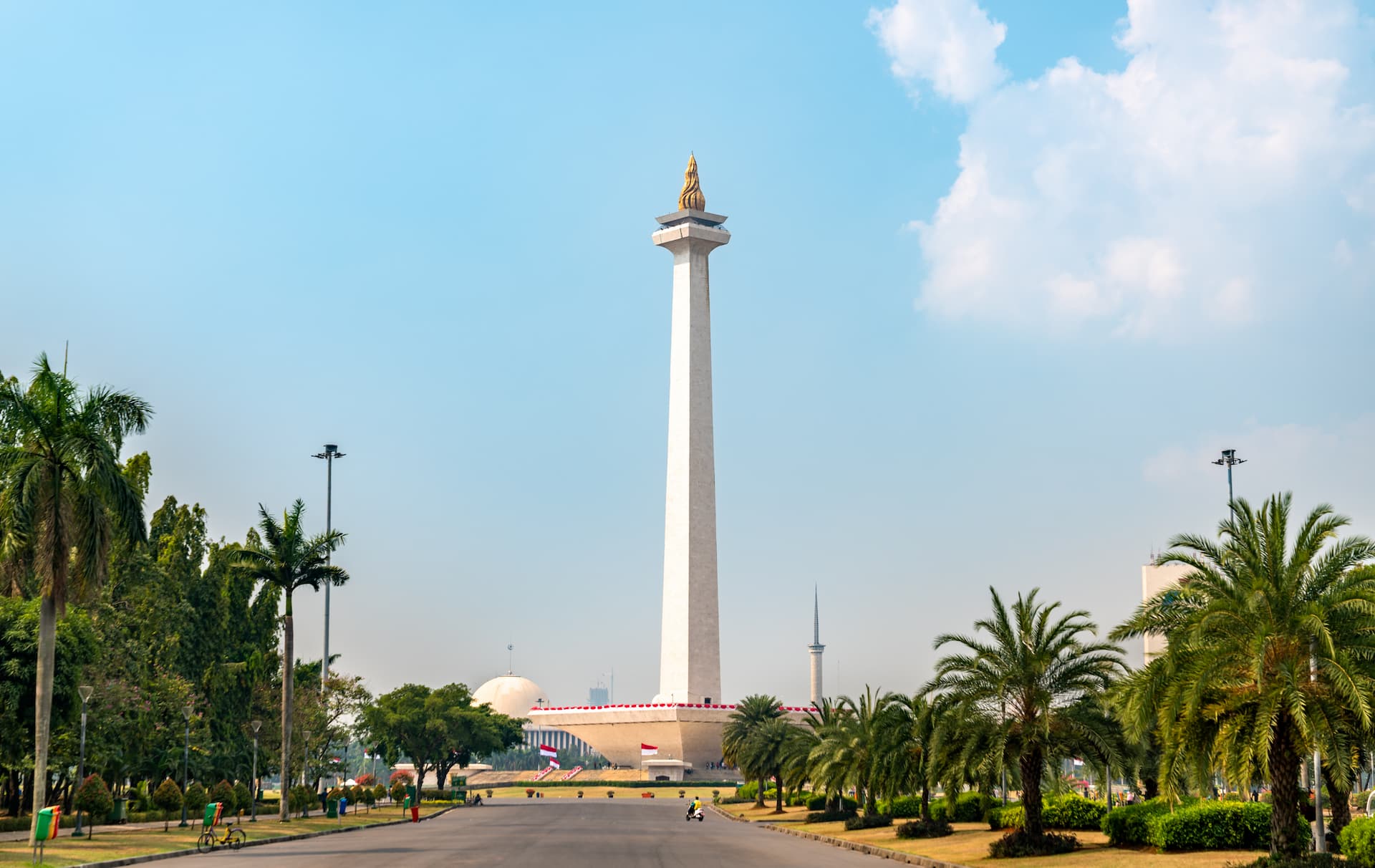
Located in Central Jakarta, Monumen Nasional (Monas) is another landmark worth visiting to commemorate Heroes Day.
The monument was built during President Soekarno’s administration, beginning on August 17, 1961, and officially opened to the public on July 12, 1975.
According to the Ministry of Culture’s museum database, Monas is 132 meters tall and stands at the center of Merdeka Square.
The Jakarta Provincial Government describes the monument as a symbol of the Indonesian people’s struggle to achieve independence.
Visitors can explore the historical facilities inside the monument and learn about the country’s journey toward independence. The monument also features the iconic flame at its top, symbolizing the spirit of the nation’s struggle.
From a pilgrimage at Kalibata to exploring historical museums and visiting Monas, these five activities offer different ways to commemorate Heroes Day while learning more about Indonesia’s national history.
Discover more