Indonesia Poised to Strengthen Position in Southeast Asia’s Crypto Industry
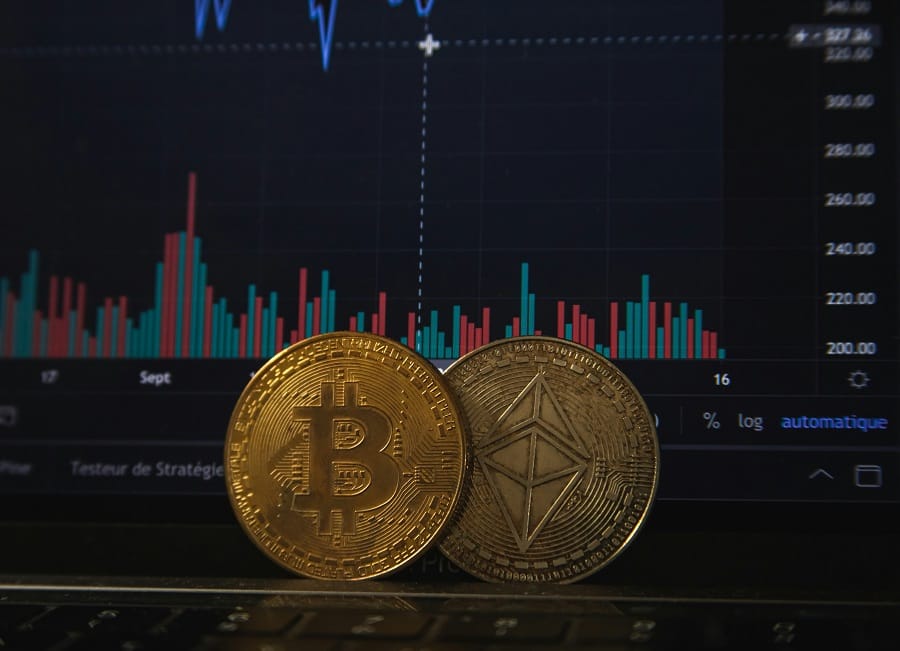
JAKARTA. Jakartaweekly.com — Indonesia is considered to have significant potential to strengthen its position as one of Southeast Asia’s key cryptocurrency markets as digital asset adoption continues to expand globally and regionally.
The growing recognition of crypto assets worldwide has created new opportunities for emerging economies, including Indonesia, to play a bigger role in the digital financial ecosystem.
According to a report by CoinGecko, cryptocurrencies are now legal in 119 countries and four British Overseas Territories. Among them, 62 countries have already established more comprehensive regulatory frameworks for digital assets.
The data highlights how cryptocurrencies are increasingly being recognized as part of the global digital finance ecosystem, driven by rising adoption, technological innovation, and the expansion of blockchain-based financial services.
In Southeast Asia, crypto adoption remains largely dominated by Singapore and the Philippines. However, Indonesia continues to emerge as one of the region’s most important markets due to its large population, growing digital literacy, and increasing public interest in digital assets.
Tokocrypto CEO Calvin Kizana said Indonesia’s crypto industry is entering a more mature phase as user growth, stronger supervision, and a more structured ecosystem continue to develop.
“Indonesia has enormous potential in the crypto industry. We are not only talking about the growth in the number of investors, but also about how the ecosystem is evolving into a healthier, more transparent, and more sustainable environment,” Calvin said in Jakarta on Thursday, May 29, 2026.
“With a large digital population and increasingly clear regulations, Indonesia has the opportunity to become one of the growth centers for digital assets in Southeast Asia,” he added.
Balanced Growth
The positive trend is also reflected in data from Indonesia’s Financial Services Authority (OJK), which showed that the number of crypto asset consumer accounts in the country reached 21.37 million as of March 2026.
The figure increased 1.43% compared to 21.07 million accounts recorded in the previous month.
Meanwhile, crypto asset transaction value in March 2026 reached IDR22.24 trillion, indicating that public interest in digital assets remains strong despite ongoing volatility in the global crypto market.
Calvin said the industry’s rapid growth must be balanced with stronger financial literacy and consumer protection measures to ensure sustainable development.
According to him, public education remains essential to help people better understand crypto assets, including their risks, underlying technology, and potential benefits within the broader digital financial ecosystem.
“Going forward, the industry’s biggest challenge is not only driving adoption, but ensuring that adoption takes place responsibly,” Calvin said.
“Literacy, security, and regulatory compliance must become shared priorities. Tokocrypto remains committed to supporting the development of Indonesia’s crypto industry through education, product innovation, and collaboration with various stakeholders.”
Globally, CoinGecko noted that most countries that have legalized crypto assets are developing nations in Asia and Africa. This trend reflects the increasing relevance of digital assets in emerging markets, particularly as part of digital transformation efforts and the expansion of technology-based financial access.
In many developing countries, cryptocurrencies and blockchain technology are increasingly viewed not only as investment instruments but also as tools to improve financial inclusion, transaction efficiency, and cross-border payment systems.
Importance of Strong Governance
Despite the growth opportunities, industry players acknowledge that the development of the crypto sector still requires strong governance and responsible regulation.
As regulatory frameworks continue to evolve, companies operating in the sector are expected to build safer, more transparent ecosystems that can provide long-term value to consumers and the broader economy.
Calvin believes Indonesia already has several key advantages to improve its competitiveness in the digital asset industry, including its large user base, improving regulations, technological innovation, and stronger collaboration between regulators and industry players.
“If this ecosystem is built with the right approach, crypto can become an important part of Indonesia’s digital economy,” Calvin said.
“The focus should not only be on transactions, but also on how blockchain technology can create efficiency, transparency, and new opportunities for society.”
Indonesia has become one of the fastest-growing digital economies in Southeast Asia over the past decade, supported by increasing internet penetration and the rapid adoption of financial technology services.
Industry players believe that with supportive regulation, improved public understanding, and continuous innovation, the country has the potential to become one of the leading digital asset hubs in the region in the coming years.
Discover more