From Fuel Prices to Democracy: What We Learned from the UI Student Protest
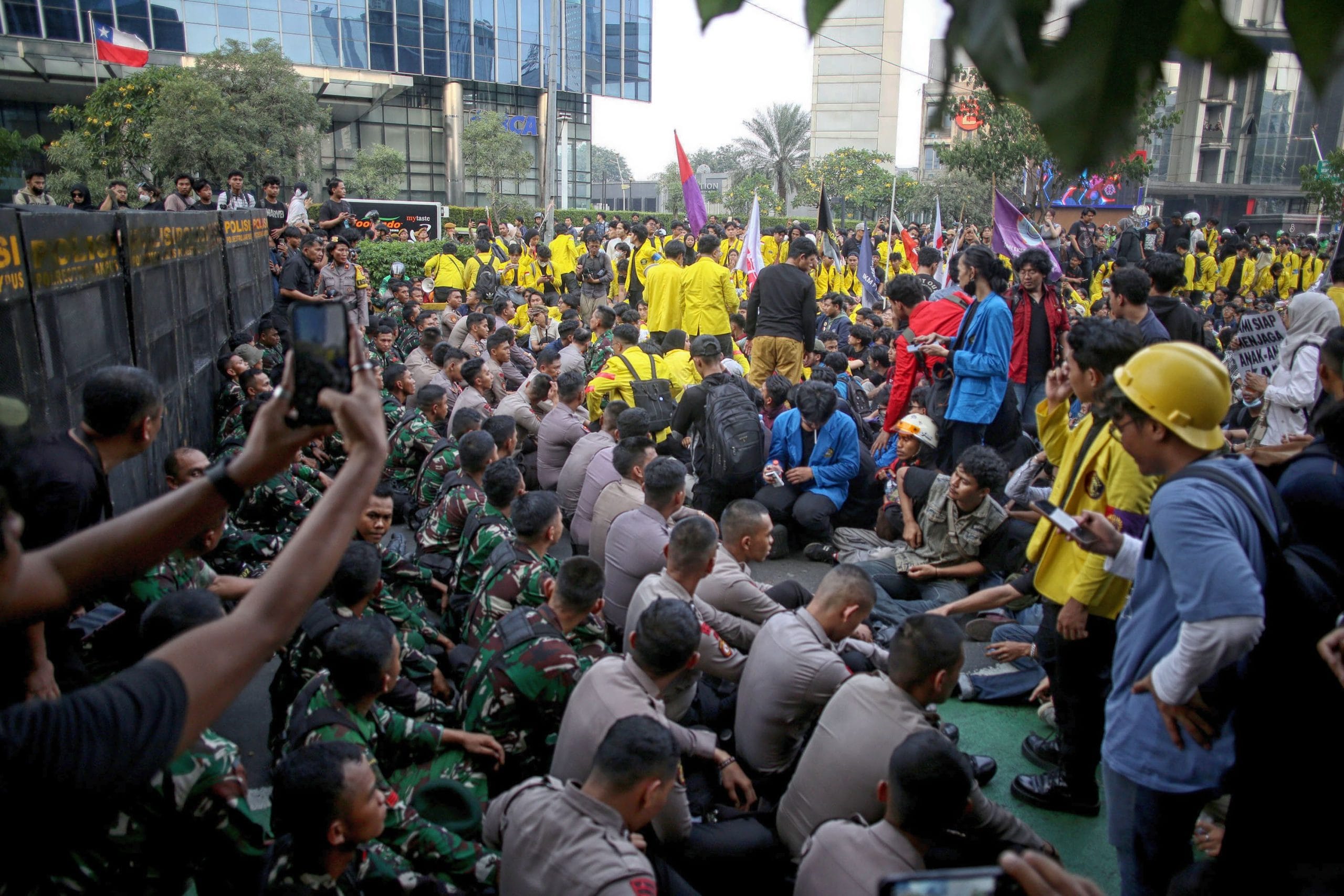
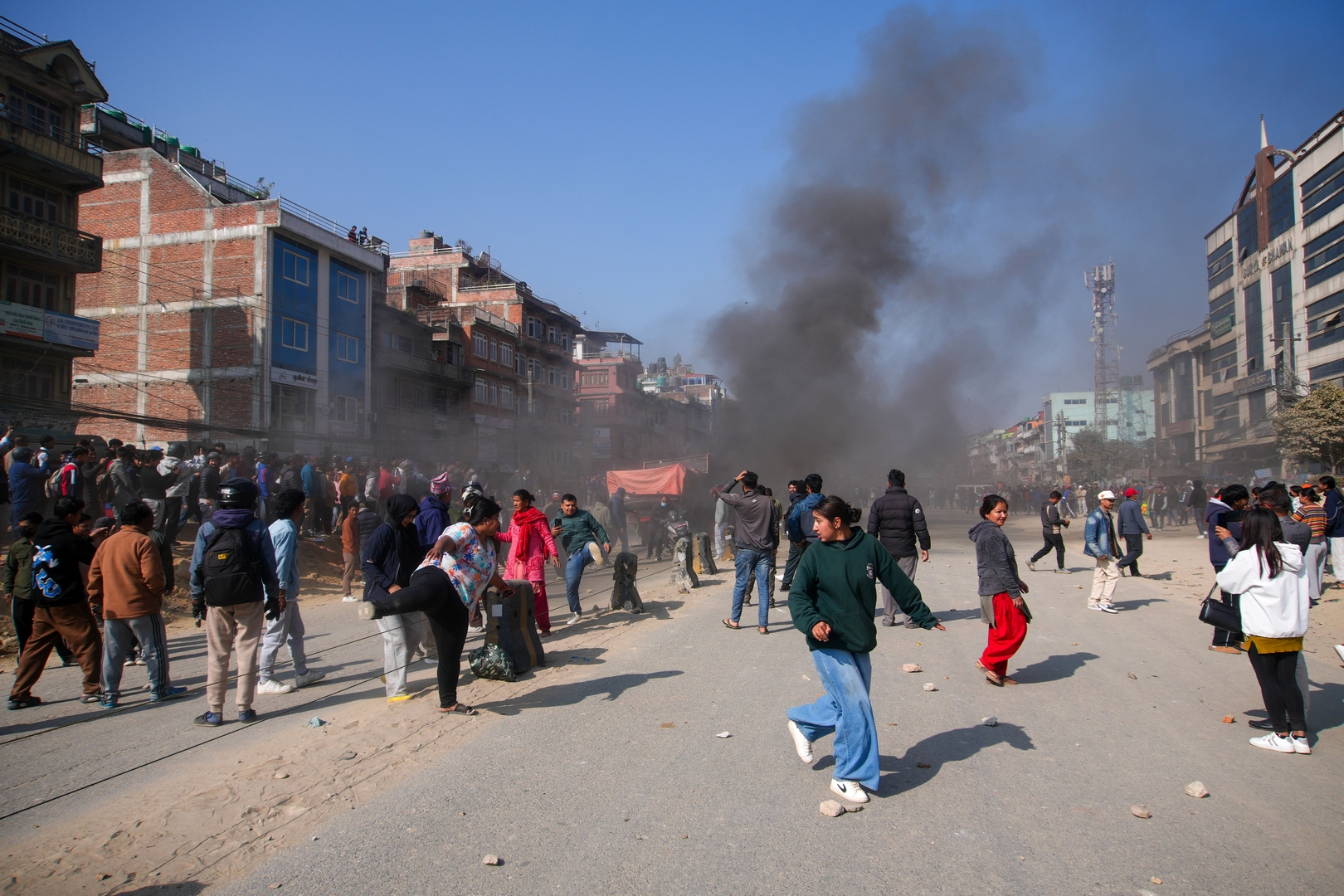
JAKARTA — Jakartaweekly.com. Hundreds of UI student from faculty-level Student Executive Bodies (BEM) at the University of Indonesia held a demonstration in Jakarta on June 12, voicing concerns over government economic policies, public spending priorities, and democratic governance.
The protest, organized by a coalition of student organizations across the university, reflected growing concerns among young Indonesians over rising living costs, state spending, and the role of military institutions in civilian affairs.
Students Deliver Five Key Demands
During the rally, the students presented five demands to the government:
- End wasteful state budget spending and prioritize public welfare programs.
- Reduce the prices of basic necessities and fuel, which students say are eroding household purchasing power.
- Review and halt the Free Nutritious Meals Program, arguing that the budget could be directed to more urgent priorities.
- Stop the Merah Putih Village Cooperative Program pending a broader evaluation of its effectiveness and urgency.
- Prevent military involvement in civilian affairs, which protesters believe is essential to preserving democratic principles.
The demonstration was driven by concerns over Indonesia’s economic direction and what students described as increasing challenges to democratic institutions.
Police Block March Toward Bundaran HI
The protest also saw tensions between demonstrators and police after officers from the Polda Metro Jaya prevented students from marching toward Bundaran HI, one of Jakarta’s most prominent public spaces.
Police directed the protesters to relocate their demonstration to alternative locations, including the Horse Statue (Patung Kuda) area or in front of the national parliament complex.
Budi Hermanto, Head of Public Relations at Polda Metro Jaya, said demonstrations were not permitted at Bundaran HI.
“That location is not designated as a venue for public demonstrations,” Budi said on June 12.
He explained that Bundaran HI serves as a major center of economic activity and public movement in Jakarta.
“The Intelligence and Security Directorate of Polda Metro Jaya has coordinated with relevant parties so that the demonstration can be directed to the Horse Statue area or the front of the DPR/MPR building,” he added.
CCTV Controversy Addressed by Jakarta Government
As the protest unfolded, social media users reported that several CCTV feeds around Bundaran HI appeared inaccessible, prompting speculation regarding transparency in monitoring the demonstration.
The Jakarta Provincial Government later clarified that all official CCTV systems remained operational throughout the protest.
Marulina Dewi, head of the Jakarta Communications, Informatics, and Statistics Agency, stated that the issue involved third-party viewing platforms rather than government-owned surveillance infrastructure.
“We can confirm that Jakarta Provincial Government CCTV operations continued to function normally and were actively used to support security, public order, and coordination with law enforcement authorities,” Marulina said.
According to the agency, any disruptions experienced by users accessing external streaming platforms were unrelated to the official monitoring systems, which continued recording activities in the area.
Growing Student Activism
The June 12 demonstration highlights increasing student engagement in public policy debates, particularly regarding economic challenges, government spending, and democratic governance.
While the protest remained peaceful, it underscored broader concerns among students about Indonesia’s economic trajectory and the need for greater public participation in policymaking as the country navigates a period of economic and political transition.
Discover more