Indonesia’s Rupiah is Teetering as Global Oil Prices Blast Past $100
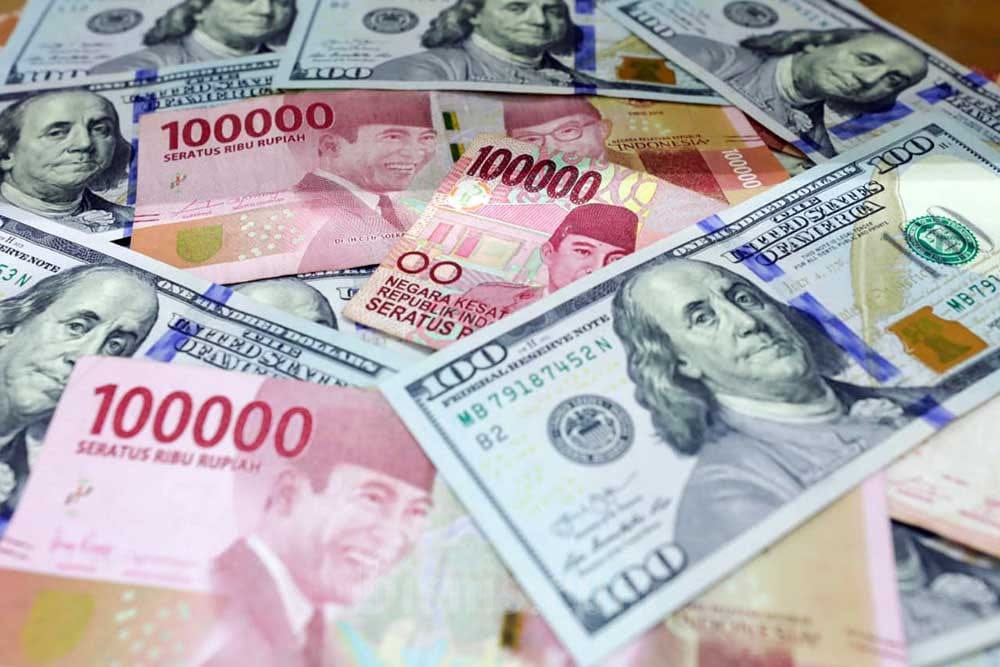
JAKARTA, Indonesia (JakartaWeekly.com) – The Indonesian rupiah is hovering at a perilous psychological crossroads, inching closer to the Rp17,000 per US dollar mark as a perfect storm of soaring energy costs and a hawkish Federal Reserve batters emerging market sentiment.
On Monday morning, the currency slipped further to Rp16,981, a move that analysts say is directly tied to the deteriorating situation in the Middle East. With West Texas Intermediate (WTI) crude now firmly entrenched above US$103 per barrel, the pressure on Indonesia’s fiscal and monetary stability is reaching a fever pitch.
The “Hormuz Factor”
The primary catalyst for the current volatility is the sustained disruption of the Strait of Hormuz. Since early March 2026, the vital maritime artery—which typically handles the transit of 20 million barrels of oil per day—has faced significant blockages.
This supply-side shock has sent global energy prices skyrocketing, creating a dual-threat for Jakarta: a widening trade deficit and a looming inflationary spike. “High oil prices are certain to trigger inflation,” noted Lukman Leong, an analyst at Doo Financial Futures. “Central banks will likely respond with interest rate hikes to counteract this.”
The Fed’s “Higher for Longer” Pivot
Adding to the rupiah’s woes is a dramatic shift in expectations from the U.S. Federal Reserve. Investors are increasingly abandoning hopes for a rate cut, with markets now pricing in a 75% probability that the Fed will hold rates steady—or potentially even raise them later this year.
As the US Dollar Index continues its relentless climb, the “greenback” is draining liquidity from Southeast Asian markets. For Indonesia, this means the rupiah is expected to fluctuate within a volatile range of Rp16,950 to Rp17,050 in the coming days.
Bank Indonesia on High Alert
With the currency nearing the “psychological red line” of Rp17,000, all eyes are on the central bank. Market observers widely expect Bank Indonesia (BI) to launch a direct intervention to provide a “triple intervention” in the spot, domestic non-deliverable forward (DNDF), and bond markets to prevent a freefall.
“Approaching the psychological level of Rp17,000, it is expected that Bank Indonesia will intervene,” said Leong.
For the Indonesian government, the challenge is now a race against time. As long as the Strait of Hormuz remains contested and global oil supplies are throttled, the rupiah remains a hostage to external forces far beyond Jakarta’s immediate control.
Discover more