$20 Billion Race: Indonesia and Japan Fast-Track Massive Gas Project to Escape Middle East War Fallout
JAKARTA, Indonesia (JakartaWeekly.com) – As the conflict involving the United States, Israel, and Iran threatens to paralyze global energy arteries, Indonesia and Japan have reached a high-stakes agreement to accelerate the development of the Abadi Field in the Masela Block.
The deal, struck during President Prabowo Subianto’s state visit to Tokyo, aims to fast-track the US$20 billion (Rp339 trillion) gas project in the Maluku province. With the Strait of Hormuz facing ongoing disruptions, the Masela Block is being repositioned not just as a regional industrial hub, but as a critical “shield” for Indonesia’s national energy security.
A Strategic Pivot Amidst Volatility
The urgency of the Tokyo talks underscores a growing anxiety in Jakarta over its reliance on Middle Eastern energy stability. Djoko Siswanto, Head of the Upstream Oil and Gas Regulatory Task Force (SKK Migas), confirmed that the escalating U.S.-Iran war has acted as a catalyst for both nations to cut through bureaucratic red tape.
“Yes, all parties have agreed to acceleration,” Siswanto said on Monday, describing the progress of the discussions as “excellent.”
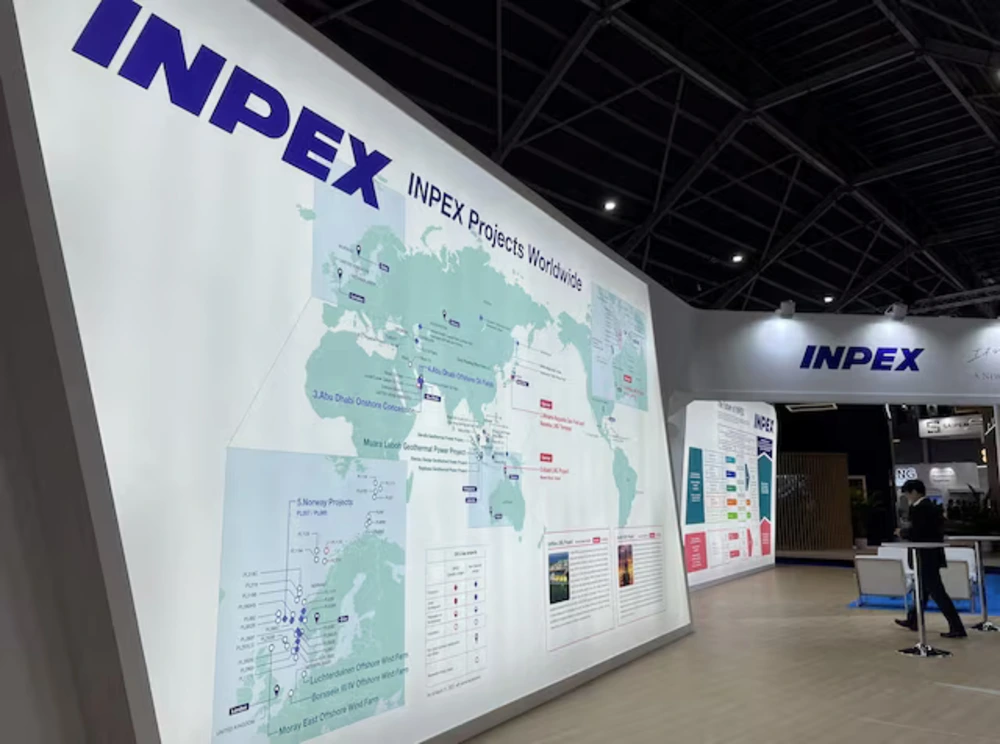
Energy Minister Bahlil Lahadalia, who accompanied the President, held a pivotal meeting on Sunday with Inpex Corporation CEO Takayuki Ueda. The focus was clear: compress the timeline for a project that is currently only 25 percent complete, ensuring it remains on track to meet production targets by 2029–2030.
Engineering a Faster Future
To meet these aggressive goals, the Indonesian government is pushing to advance the Front-End Engineering and Design (FEED) stage. While initially slated for later in the year, Minister Bahlil expressed his desire to move the FEED forward to the second quarter of 2026, or the third quarter at the very latest.
This acceleration would allow the government to launch Engineering, Procurement, and Construction (EPC) tenders in parallel, significantly shortening the development cycle.
“This is a milestone for our national energy resilience,” said Nurmala Kartini Sjahrir, the Indonesian Ambassador to Japan. The embassy in Tokyo is now tasked with facilitating the technical stages to ensure no further delays occur in the 2026 calendar.
The Economic Engine of the East
Beyond its strategic value, the Masela Block is expected to be a transformative “economic driver” for Eastern Indonesia. The project represents one of the largest single investments in the country’s history and is slated to become a primary gas source for domestic industries that are currently vulnerable to global price spikes.
As Jakarta and Tokyo tighten their strategic embrace, the Masela Block has evolved from a long-term infrastructure goal into a frontline defense against a fragmenting global energy order. For President Prabowo’s administration, the message is clear: in an era of “forever wars” in the Middle East, Indonesia’s energy future must be secured at home.
Discover more