Counterfeit 555 Auto Components Hurt Business in Indonesia
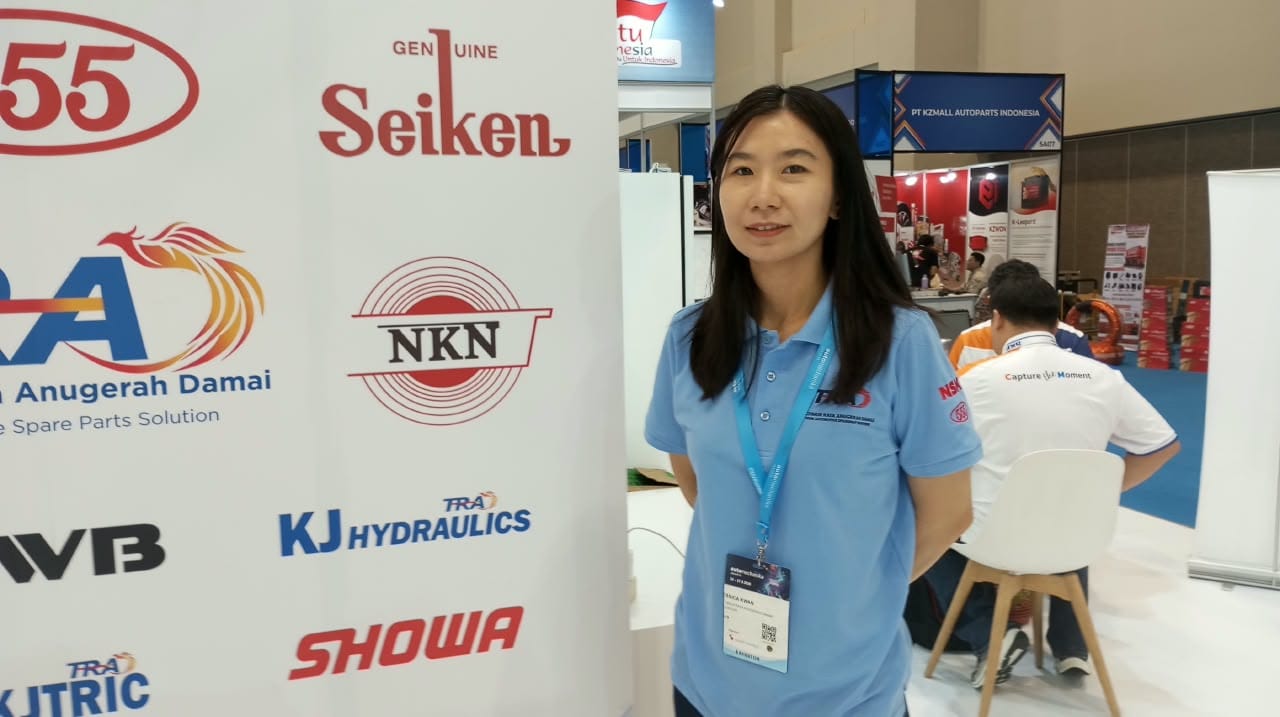
TANGERANG, Jakartaweekly.com — PT Timur Raya Anugerah Damai, the official distributor and sole authorized importer of Japanese automotive components brand 555, said counterfeit products circulating in Indonesia have caused business losses for the company.
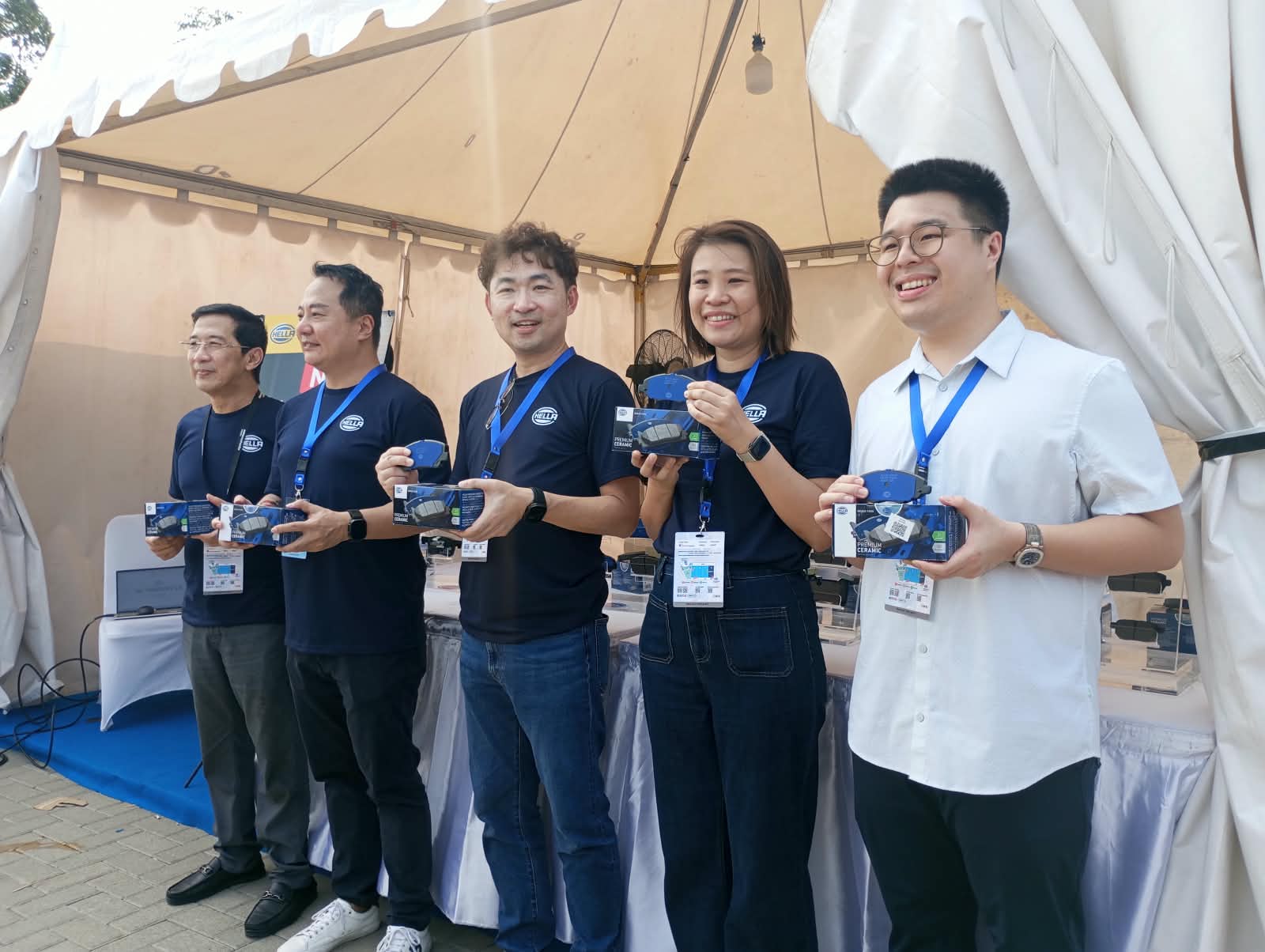
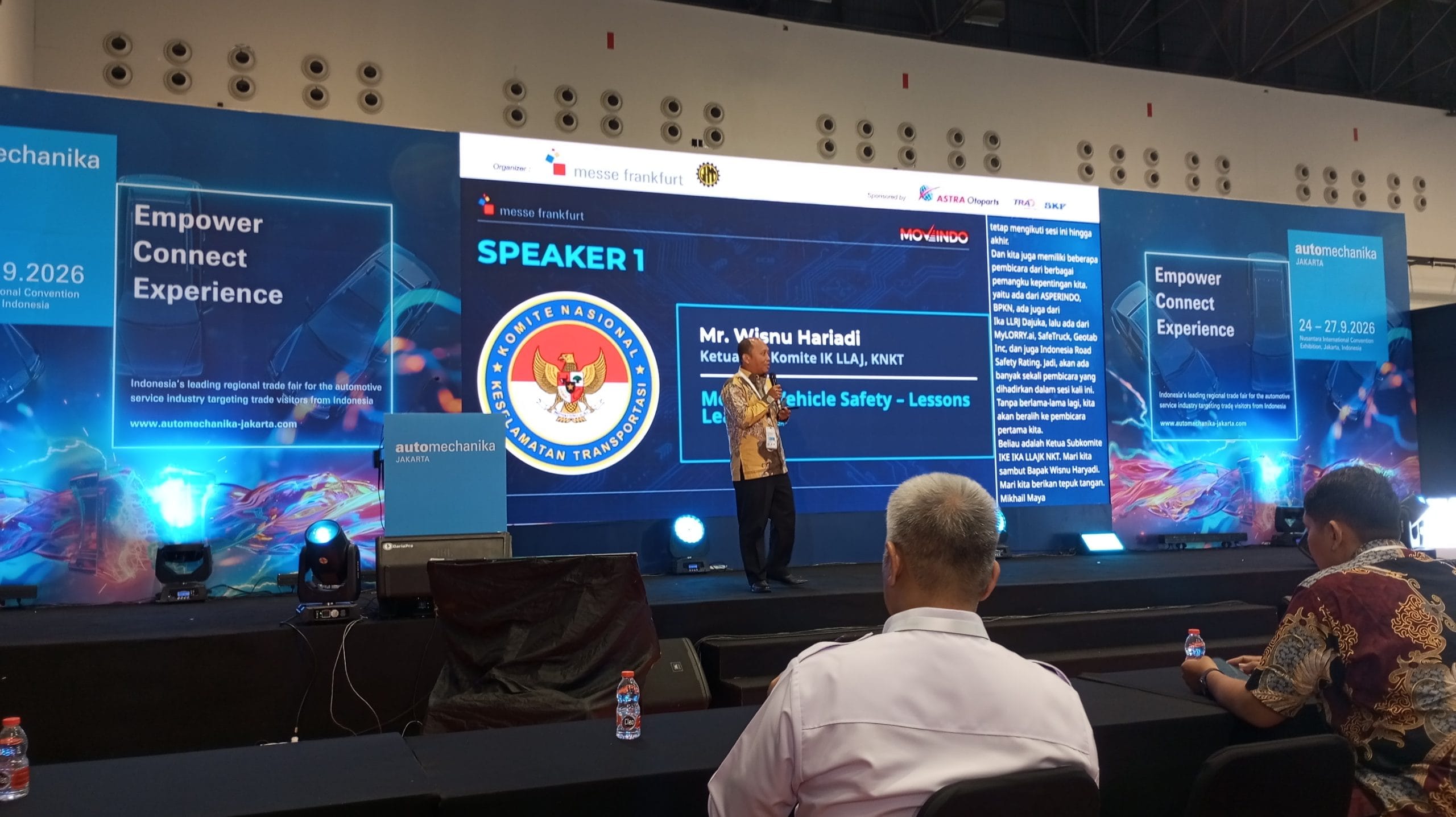
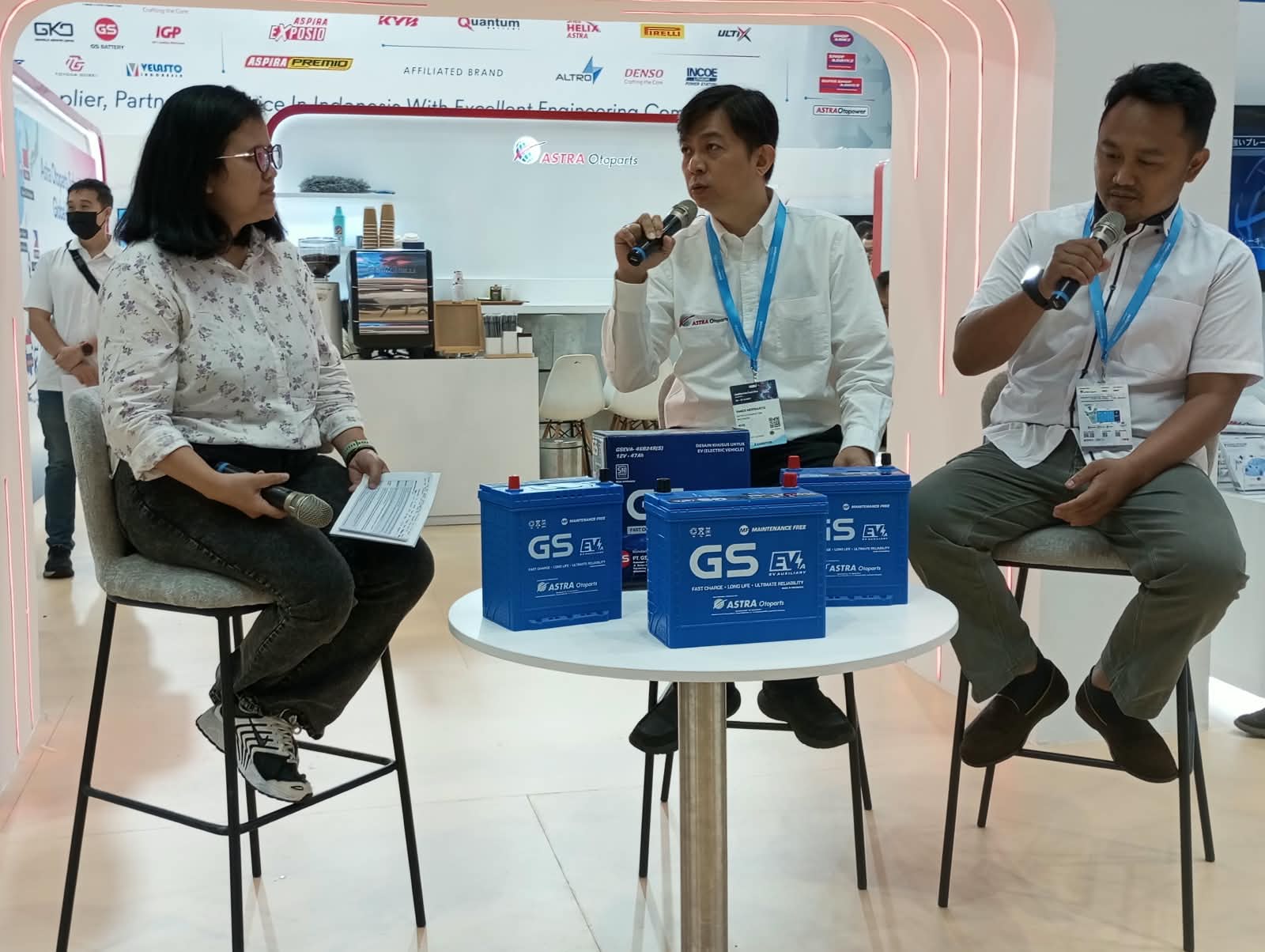
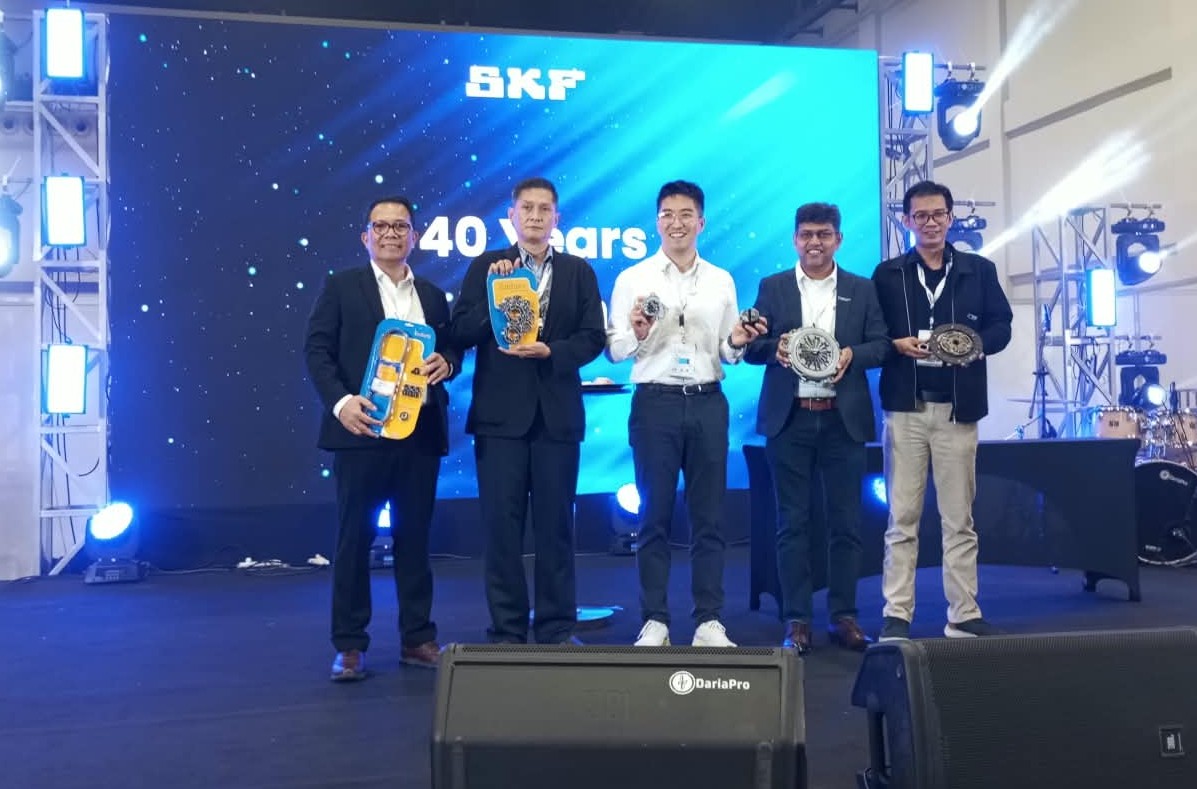
The situation was highlighted by Jessica Kwan, Sales & Marketing Manager of PT Timur Raya Anugerah Damai, in Tangerang, Banten, during the Automechanika Jakarta 2026 exhibition.
Jessica said the company has been unable to generate revenue as it should due to the presence of counterfeit products in the market. Meanwhile, partner workshops and consumers are among those most affected by the fake components.
“It is felt more by end users, customers, and workshops,” she said in Tangerang, Sunday, Sept 27, 2026.
She said counterfeiters often sell the components at prices similar to those of genuine products, making it difficult to identify fake products based solely on their prices.
Jessica also said many component brands brought into Indonesia are currently being counterfeited. This has made it difficult to determine the volume of products being imitated.
“Even products that we do not sell are being counterfeited under our brand,” she said.
One of the component brands distributed by the company in Indonesia that is frequently counterfeited is 555. As one strategy to address counterfeit products, the company is focusing on educating the public.
According to Jessica, consumers can look at several indicators when purchasing 555 components to avoid counterfeit products. The first is the packaging, which she said has distinctive characteristics for genuine products.
Using 555 products as an example, she said genuine 555 component packaging has a matte finish, meaning products with glossy packaging are counterfeit. In addition, the barcode on genuine packaging only displays product details, while a fake barcode will direct users to a website page.
Besides packaging, price can also be an indicator of whether a product is genuine or counterfeit. Although some counterfeit products are sold at prices comparable to genuine products, counterfeit sellers often offer significantly lower prices.
“On e-commerce platforms, there are many products being sold at much lower prices. For example, if one is priced at Rp90,000 and another at Rp400,000, it can already be an indication that the Rp90,000 product is most likely counterfeit,” she said.
Another indication can be found in the physical characteristics of the component itself. Jessica said genuine components are more precise and have better finishing. Therefore, consumers who find components with the opposite characteristics, including rough finishing, can consider them to be counterfeit.
She added that to avoid counterfeit products, consumers should purchase components from workshops or stores recommended by the company.
She also emphasized the importance of having components installed by competent workshops. According to Jessica, component quality is not the only determining factor, as the installation process and how a vehicle is used also affect performance.
“First, buy genuine products. Second, find workshop partners that are competent to install them, because the installation method also has an impact,” Jessica said.
Discover more