Indonesia Eyes New Incentives for Hybrid and Electrified Vehicles
JAKARTA — Jakartaweekly.com. Indonesia is considering new incentives for hybrid and other electrified vehicles to improve fuel efficiency, reduce emissions and strengthen the domestic automotive industry, while Toyota Motor Manufacturing Indonesia (TMMIN) prepares to expand exports of electrified vehicle components.
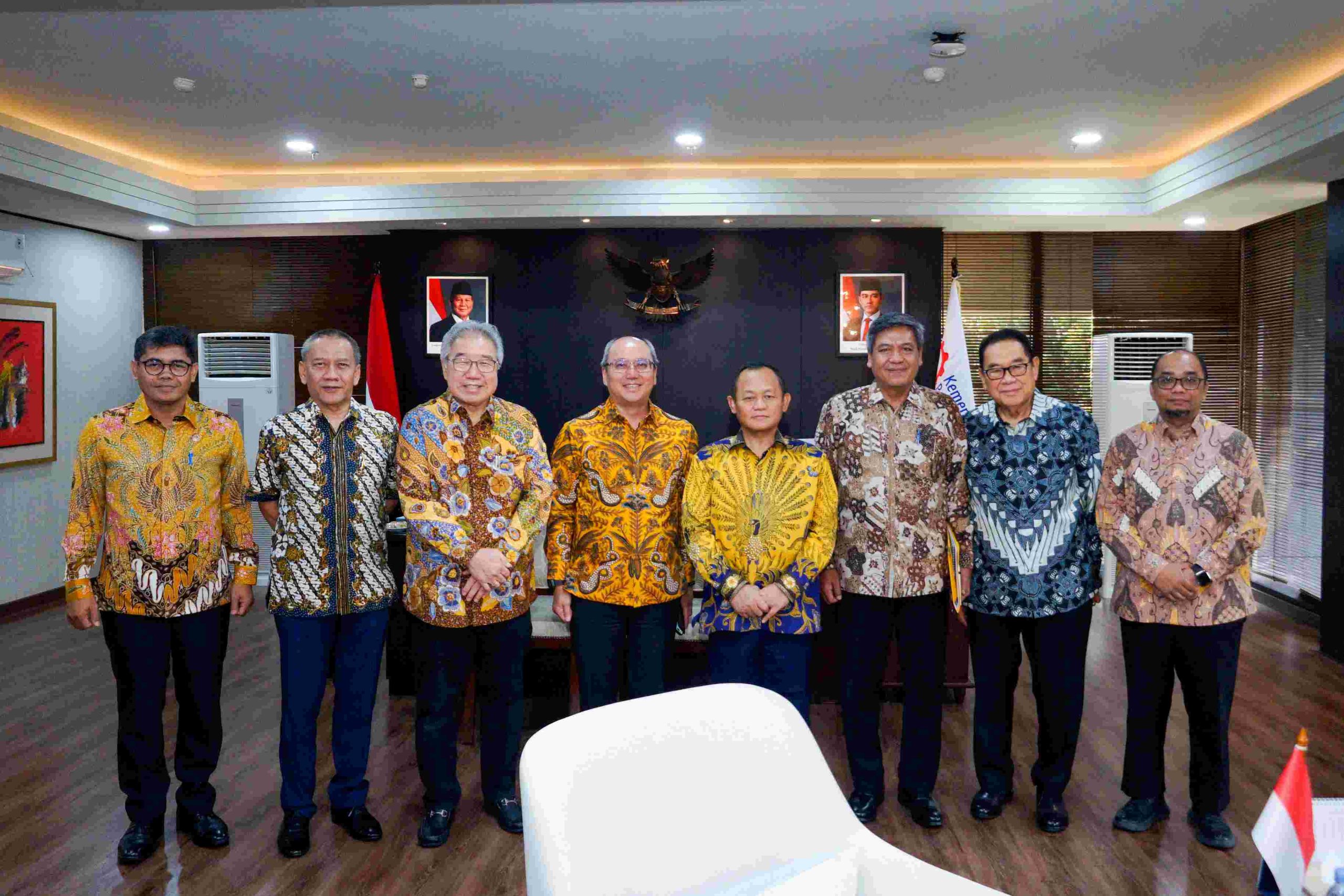
Industry Minister Muhammad Sarmuji outlined the proposed incentives after meeting with representatives of the Association of Indonesian Automotive Industries (GAIKINDO) in Jakarta on Wednesday, October 21. Potential benefits include simplified administrative procedures, exemptions from odd-even traffic restrictions and dedicated parking facilities.
Sarmuji said incentives should not be limited to tax reductions, but could also provide practical benefits to consumers who choose vehicles with more efficient technologies.
“Non-fiscal incentives could include administrative facilities, exemptions from odd-even traffic restrictions in cities, dedicated parking and, where charging is still needed, charging facilities,” Sarmuji said.
The proposed measures would cover hybrid electric vehicles (HEVs), plug-in hybrid electric vehicles (PHEVs) and range-extended electric vehicles (REEVs). The government is still formulating additional incentives for these technologies, while battery electric vehicles (BEVs) already receive several benefits, including exemptions from odd-even traffic restrictions.
Incentives to Support Fuel Efficiency
Sarmuji said hybrid, plug-in hybrid and range-extended technologies could help reduce fuel consumption, particularly subsidised fuel, while lowering vehicle emissions. These vehicles combine electric propulsion systems with internal combustion engines, potentially improving fuel efficiency without relying entirely on charging infrastructure.
“Producing and marketing these types of vehicles more widely would help us save fuel, particularly subsidised fuel, while also reducing emissions,” he said.
The government will coordinate with relevant ministries, agencies and stakeholders to discuss the proposed measures, as some incentives involving traffic regulations and parking facilities fall under the authority of local governments and other institutions.
Tax relief is also being considered, although Sarmuji said the benefits would not necessarily need to match those provided to fully battery-powered vehicles.
“The tax relief does not have to be the same. What matters is that there are incentives to support industry growth, because the benefits are shared by both the public and the country,” he said.
The minister said discussions on additional incentives would be accelerated, with the government aiming to pursue the proposals before the end of 2026.
Toyota Expands Electrification Exports
Alongside the policy discussions, TMMIN is expanding Indonesia’s contribution to Toyota’s global automotive supply chain, including through the export of electrified vehicles and their components.
The company plans to begin exporting hybrid electric vehicle battery pack assemblies in the second half of 2026. Meanwhile, exports of the Indonesia-produced Toyota Kijang Innova Zenix HEV and Yaris Cross HEV reached 25,752 units through the third quarter of 2026, a 64% increase compared with the same period last year.
The figures highlight Indonesia’s growing role in automotive electrification, extending beyond finished vehicles to batteries and other components supporting the industry’s transition.
“Transformation towards electrification is part of a major shift in the global automotive industry. For Indonesia, this development presents an opportunity to continue strengthening manufacturing capabilities and the supply chain, so the country is not merely a market for electrified vehicles but can also participate in their production and export,” said I Nyoman Winaya Adnyana, Vice President Director of TMMIN.
The company also plans to begin direct shipments of automotive aftermarket components to the United States in the second half of 2026, further diversifying its export portfolio.
TMMIN said it would continue developing higher-value-added products and strengthening manufacturing and export activities to support Indonesia’s trade and industrial growth.
Strengthening the Domestic Automotive Ecosystem
GAIKINDO Chairman Putu Juli Ardika welcomed the Ministry of Industry’s efforts to support different electrification technologies, saying government policies could help sustain growth across the automotive sector and its supporting industries.
He also highlighted the industry’s progress in meeting domestic component requirements. According to a survey conducted by GAIKINDO and reported to the Ministry of Industry, most domestically produced vehicles assessed in the survey could meet the 60% domestic content requirement, known as Tingkat Komponen Dalam Negeri (TKDN).
By combining policy support with manufacturing and export development, Indonesia aims to expand consumer access to more fuel-efficient vehicles while strengthening domestic production capabilities and automotive supply chains.
The proposed incentives remain under discussion, but the government and industry players are positioning electrification as an opportunity to improve energy efficiency, develop higher-value manufacturing and increase Indonesia’s competitiveness in global automotive markets.