Estonia Offers Digital and Maritime Technology Solutions to the Indonesian Market
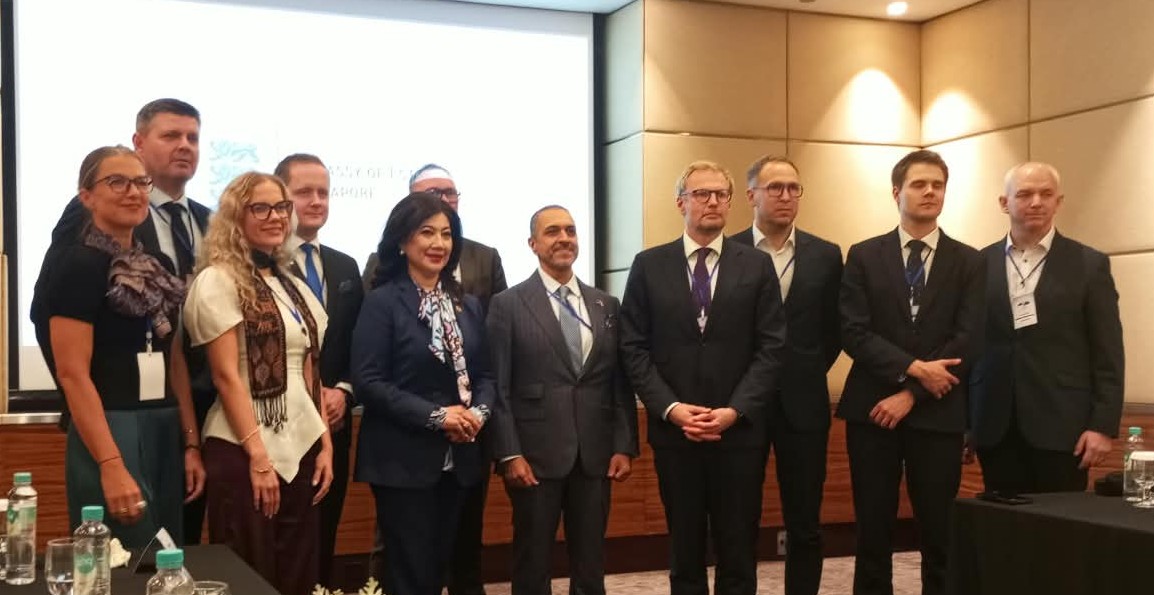
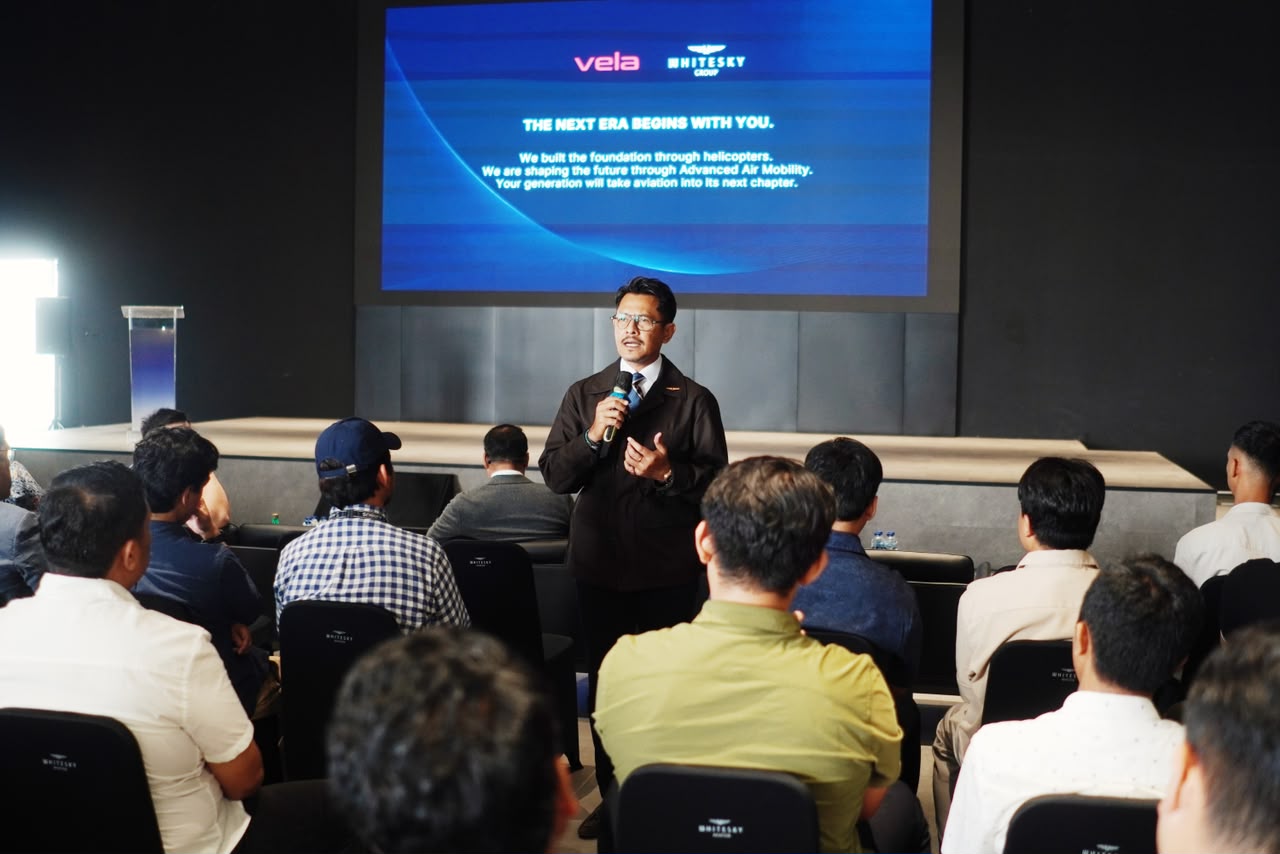
JAKARTA, JakartaWeekly.com— Estonia is exploring opportunities to strengthen cooperation with Indonesia in digital transformation, cybersecurity, industrial automation and maritime innovation. The initiative was highlighted during the Digital & Maritime Cooperation Visit, which brought an Estonian delegation together with Indonesian stakeholders in Jakarta on November 19, 2026.
Veikko Kala, Estonia’s Ambassador to Singapore and ASEAN and Ambassador-Designate to Indonesia, said Indonesia was an important partner for Estonia.
“We see significant potential to further strengthen the economic relationship between our two countries. We are keen to deepen cooperation in trade and business while exploring new opportunities in investment, technology partnerships and collaboration that deliver long-term benefits for both countries,” he said in Jakarta on Thursday, November 19, 2026.
The Estonian delegation was led by Kala, alongside Princess Adriana Sri Lestari, Estonia’s Honorary Consul in Jakarta, and Bharat Ghansham Advani, Estonia’s Honorary Consul in Denpasar. The delegation also included representatives from four Estonian companies—Cybernetica, Insta Globe, Port of Tallinn and MindChip—as well as Tallinn University of Technology (TalTech).
The visit brought together Estonian technology providers and Indonesian stakeholders to explore potential business partnerships, investment opportunities and technology collaboration.
Estonia regards Indonesia as an important strategic partner in Southeast Asia. Both countries have opportunities to expand trade, investment and technological cooperation. Strengthening economic ties is one of the priorities of their bilateral partnership.
Opportunities for Cooperation under the Indonesia-EU Agreement
Economic relations between Indonesia and the European Union also provide a basis for closer cooperation between Estonia and Indonesia. In September 2026, the Estonian Government formally expressed its support for the signing of the Indonesia-European Union Comprehensive Economic Partnership Agreement (CEPA) and the Investment Protection Agreement.
The two agreements are expected to strengthen trade and investment relations, reduce trade barriers and make it easier for businesses on both sides to access each other’s markets.
With a population of more than 280 million, Indonesia could offer new opportunities for Estonian companies in digital technology, cybersecurity, industrial equipment and maritime innovation.
Indonesian businesses, meanwhile, could benefit from improved access to the European market. This could create opportunities to expand exports, attract investment and develop partnerships with European companies.
In 2025, trade in goods between the European Union and Indonesia reached €28.9 billion. Under the CEPA, tariffs are set to be eliminated on more than 98% of tariff lines.
Four Estonian Companies Present Their Technology Expertise
Estonia has developed expertise in innovation, digital governance and technology-driven development. These capabilities are supported by public-private partnerships and international cooperation.
In the 2025 OECD Digital Government Index, Estonia scored 0.83, above the OECD average of 0.70. In the European Commission’s 2025 Digital Decade assessment, Estonia also scored 96 out of 100 for the availability of digital public services for citizens and 98 for services for businesses.
Estonia’s expertise also extends to its maritime and industrial sectors. The country’s maritime industry covers a wide range of activities, from vessel design and technical consultancy to engineering, automation, construction and maintenance.
During the Jakarta visit, four Estonian companies presented their capabilities and solutions as potential areas for cooperation with Indonesian partners.
Cybernetica specialises in secure data exchange, digital government, interoperability and cybersecurity. The company was the original technical architect of Estonia’s X-Road platform, which connects government systems and enables secure information exchange.
Through its Universal eXchange Platform (UXP), Cybernetica offers expertise that could be explored in collaboration with Indonesian government institutions, public-sector agencies and local technology companies. Potential areas of cooperation include strengthening digital public services, data security and connectivity between institutions. The company also sees Indonesia as an opportunity to expand its technology partnerships in Southeast Asia.
Insta Globe Engineering provides electrical, instrumentation, automation and commissioning solutions for the energy, industrial, marine and offshore sectors. Its expertise connects digital technologies with physical infrastructure and industrial operations.
These capabilities could provide opportunities for cooperation with Indonesian government agencies, state-owned enterprises, private industrial companies and engineering firms. Potential areas include improving operational efficiency, technical capabilities and infrastructure performance. Meanwhile, Indonesia’s growing industrial and maritime sectors offer Insta Globe opportunities to establish business partnerships and strengthen its presence in the region.
Port of Tallinn, Estonia’s largest port, brings experience in smart port development. Its expertise includes digital port operations, traffic management, information exchange and logistics connectivity.
This experience could be explored in collaboration with Indonesian government authorities, port operators, logistics providers and private-sector companies. Potential areas of cooperation include modernising port operations, improving supply-chain efficiency and developing more sustainable maritime infrastructure.
For Port of Tallinn, Indonesia also offers an opportunity to share its expertise, strengthen international partnerships and adapt its solutions to the needs of an archipelagic country.
Meanwhile, MindChip is a spin-off from Tallinn University of Technology. The company develops remote-control and autonomous vessel technologies through its Artificial Captain product family.
MindChip’s systems integrate radar, Automatic Identification System (AIS) and camera data to support vessel monitoring, route planning and collision avoidance. The technology enables operators to move from remote-controlled vessel operations towards higher levels of autonomy.
MindChip’s solutions could be explored in cooperation with Indonesian maritime authorities, government agencies, shipbuilders, shipping companies and private maritime operators. Potential applications include improving fleet efficiency, maritime safety and operational capabilities. Indonesia’s extensive maritime network also offers the company opportunities to adapt and develop its technologies through local partnerships.
The Estonian delegation’s visit is expected to provide a platform for continued engagement between businesses and institutions from both countries. Potential areas of cooperation include pilot projects, industry partnerships, knowledge exchange and future investment.
Discover more