ASDP Fully Implements Port Sterilization Program at Six Major Ferry Terminals
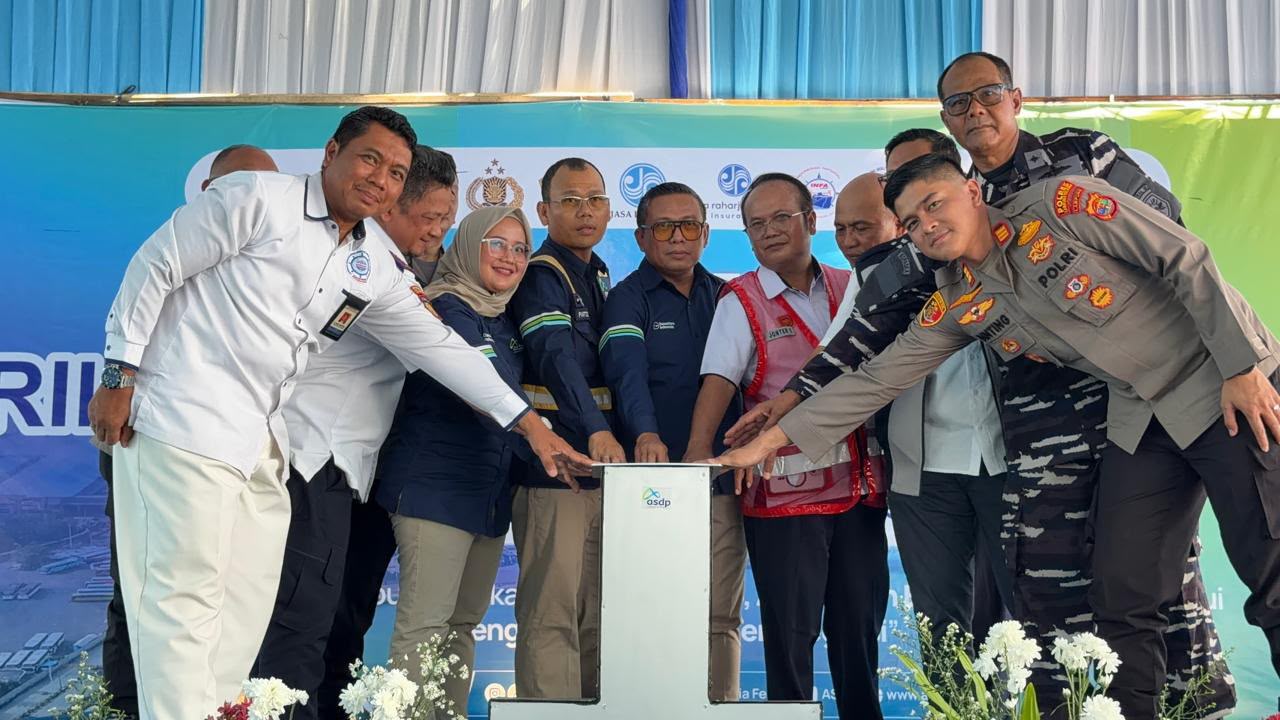
JAKARTA, Jakartaweekly.com—State-owned ferry operator PT ASDP Indonesia Ferry (Persero) has fully implemented its port sterilization program at six major ferry terminals across Indonesia, effective Wednesday, Aug. 5, 2026. The initiative establishes a new national standard for ferry port management, with a focus on improving safety, security, and operational efficiency.
ASDP President Director Heru Widodo said the program was launched simultaneously at Merak, Bakauheni, Ketapang, Gilimanuk, Kayangan, and Lembar ferry terminals following a transition period that began with a soft launch on July 20, 2026.
“Today marks an important milestone in the transformation of Indonesia’s ferry services. Port sterilization is not merely about reorganizing port areas, but about fostering an operational culture that ensures every activity within the port is conducted safely, orderly, and in accordance with established standards,” Heru said on Wednesday.
According to Heru, the program represents a broader transformation of operational culture by placing safety at the center of every service process.
On the first day of implementation, port operations were managed through tighter access control, the use of digital technologies, improved traffic management within port areas, and enhanced supervision in coordination with regulators and other stakeholders.
At Merak Ferry Terminal, ASDP introduced comprehensive operational area management, including the re-registration of all individuals operating within the port, the regulation of vendors through official identification, and strengthened surveillance facilities.
The implementation of the One Gate System (OGS) and the Automatic Gate System has also reduced truck processing times from 10–15 minutes to just one to two minutes, improving traffic flow and operational efficiency.
At Bakauheni Ferry Terminal, the program includes improved vehicle traffic management, the construction of dedicated motorcycle parking areas, upgraded road signage and information systems, and enhanced access control.
Meanwhile, at the Ketapang–Gilimanuk ferry crossing, implementation focuses on strengthening operational compliance through intensive outreach to stakeholders, stricter enforcement of personal protective equipment (PPE) requirements, routine joint patrols, and a zoned access system that limits operational areas to authorized personnel.
At Kayangan and Lembar ferry terminals, access control has been reinforced through facial recognition technology, accompanied by the symbolic distribution of PPE to stakeholder representatives and inspections of designated sterile zones.
Eko Indrayanto, Head of the Banten Class II Land Transportation Management Agency (BPTD), said the implementation marked an important milestone following the issuance of Transportation Minister Regulation No. 91 of 2021.
“With the implementation of this sterilization program, we expect safety, security, and orderliness at ferry ports to improve significantly,” he said.
ASDP Corporate Secretary Windy Andale said the successful full-scale rollout was made possible through close collaboration between the company, regulators, and all stakeholders, who supported the program from the public outreach stage through to full implementation.
Going forward, ASDP will continue to evaluate and refine the program to maximize its benefits for passengers while fostering a more disciplined and professional operational culture.
Transportation analyst Djoko Setijowarno of Soegijapranata Catholic University said the port sterilization program is a strategic step toward modernizing Indonesia’s ferry transportation system.
According to Djoko, the policy will strengthen safety, security, and service quality while improving logistics flows and public mobility through more orderly and efficient port operations.
Discover more