



Chitose Profit Soars 384% in H1 2026 on Strong Office, Education Demand
Discover more




JAKARTA — Jakartaweekly.com. Indonesian furniture manufacturer PT Chitose Internasional Tbk (IDX: CINT) reported a sharp increase in profitability during the first half of 2026, driven by robust demand for office and education furniture as businesses, schools, and institutions continued investing in workplace and learning facilities.
The company posted a 384% year-on-year increase in net profit to Rp11.4 billion for the six months ended June 2026, compared with Rp2.3 billion in the same period last year. Revenue also rose 26% to Rp259.21 billion, reflecting broad-based growth across its business segments.
The strongest contribution came from Chitose’s office furniture division, which generated Rp179.4 billion in revenue before eliminations, up 69% from Rp105.9 billion a year earlier. The education segment, another key pillar of the business, recorded revenue of Rp121.7 billion, representing 36% growth compared with the first half of 2025.
The results highlight a continued recovery in institutional spending as companies modernize workplaces and educational institutions expand facilities to meet growing demand.
Director R. Nurwulan Kusumawati said the company’s performance reflected the success of its strategy to diversify its product portfolio while responding to changing customer needs.
“All of the company’s business segments recorded positive growth during the first half of the year,” Nurwulan said in a statement.
“This achievement reflects the effectiveness of our strategy to expand our product portfolio, diversify our business, and continue delivering innovations that are relevant to market needs. Going forward, we will continue strengthening our business fundamentals to sustain long-term growth.”
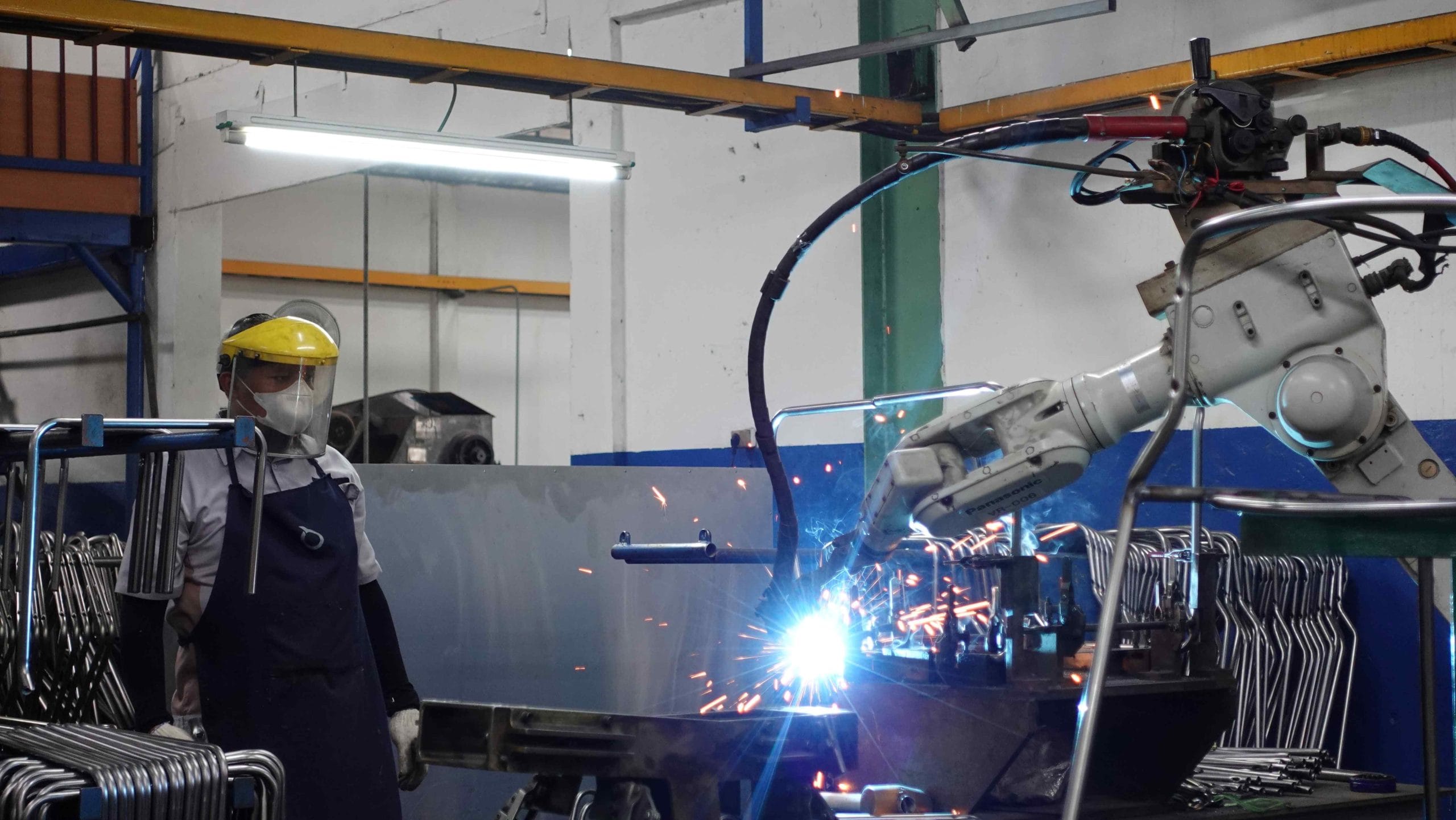
Founded in 1978, Chitose has grown into one of Indonesia’s leading furniture manufacturers, supplying products to offices, schools, hospitals, hotels, restaurants, and other commercial and institutional customers. The company manufactures its products in Cimahi, West Java, and distributes them through an extensive nationwide network.
Management remains optimistic about the second half of 2026, citing favorable industry trends and sustained demand across multiple sectors.
The company expects Indonesia’s furniture market to benefit from continued investment in educational facilities, office developments, healthcare infrastructure, hospitality, and food service businesses. These sectors are anticipated to remain key growth drivers as organizations increasingly prioritize modern, functional, and ergonomic furniture.
According to Chitose, the office and education markets present particularly attractive opportunities as new generations of students and employees reshape expectations for learning and working environments.
“We see strong demand from the education and office segments as a strategic opportunity to accelerate the company’s growth,” Nurwulan said.
“As a new generation of users emerges with evolving preferences for learning and working spaces, Chitose remains committed to developing innovative products that not only meet market needs but also strengthen our competitiveness and create new business opportunities.”
Beyond expanding its product portfolio, Chitose continues to focus on maintaining high manufacturing standards. The company adopts Japanese Industrial Standards (JIS) in its production processes and has obtained multiple certifications, including ISO 9001, ISO 14001, ISO 45001, Indonesia’s National Standard (SNI), Halal certification, and Domestic Component Level (TKDN) certification across various product lines.
The company also said it remains committed to integrating environmental, social, and governance (ESG) principles into its operations while supporting the development of Indonesia’s domestic manufacturing industry.
With demand from institutional and commercial customers continuing to strengthen, Chitose believes its diversified business portfolio and focus on product innovation position the company to maintain growth momentum through the remainder of 2026.