Kemenperin Strengthens Industrial Shield Amid Iran-Israel Tensions
Jakartaweekly.com — The escalating geopolitical conflict between Iran, Israel, and the United States has raised concerns over global economic stability, particularly regarding the energy sector, international logistics, and industrial raw material supply chains. The Indonesian Government, through the Ministry of Industry (Kemenperin), is closely monitoring these developments as they have the potential to indirectly impact the performance of the national manufacturing sector.
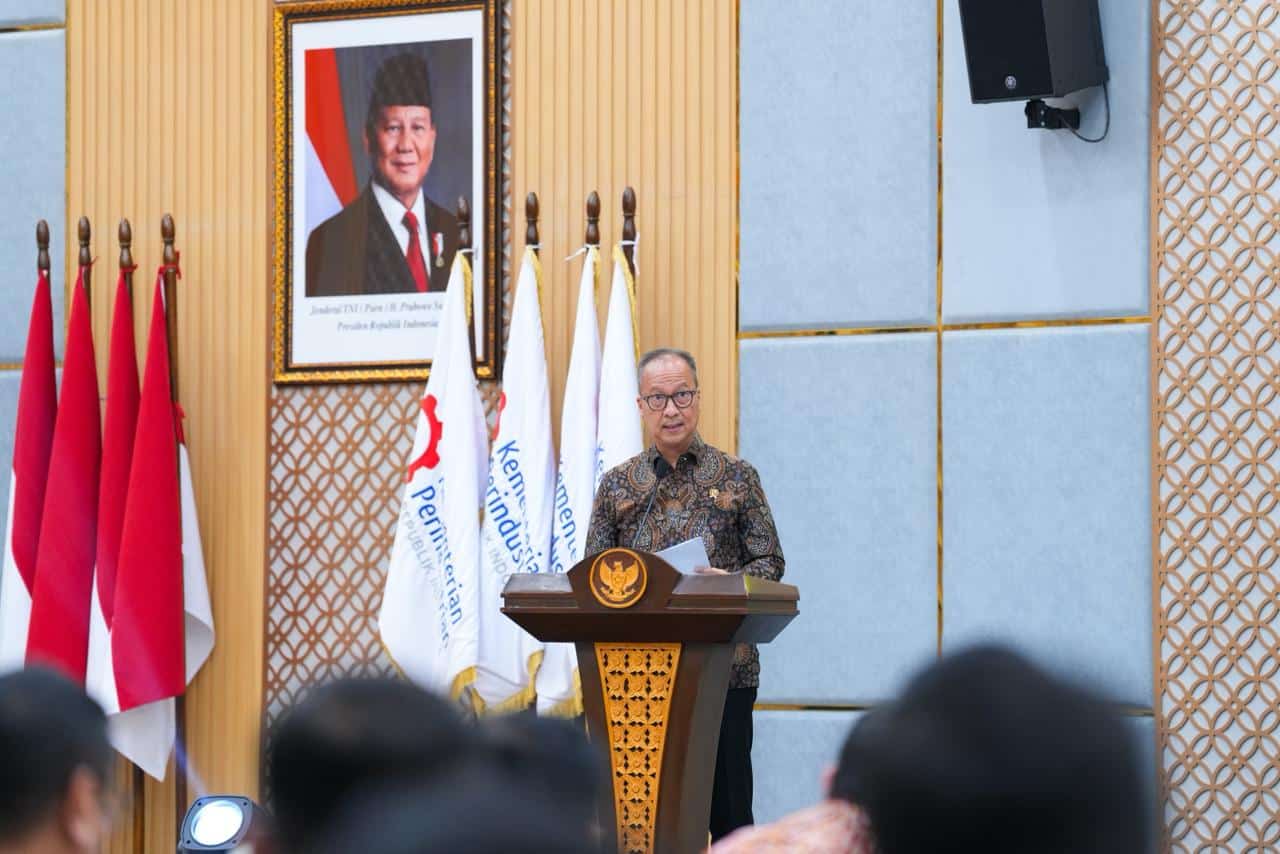
Minister of Industry Agus Gumiwang Kartasasmita stated that the conflict in the Middle East could trigger global energy price volatility, disrupt international trade routes, and increase logistics and raw material costs. Ultimately, these conditions could affect the competitiveness of the manufacturing industry in various countries, including Indonesia.
“We continue to monitor the development of the Middle East conflict because the region is a global energy hub and a vital international logistics corridor. Any escalation naturally risks affecting energy prices, the smooth flow of industrial raw material supply chains, and the logistics costs borne by the manufacturing sector,” the Minister said in a statement in Jakarta, Thursday (5/3).
According to Agus, the most significant factor affecting the industrial sector is the potential disruption to global energy distribution. The Middle East, specifically the Strait of Hormuz, is a vital artery for the world oil trade. Approximately one-fifth of the global oil supply passes through this strait; therefore, any disturbance in the area could trigger a spike in international energy prices.
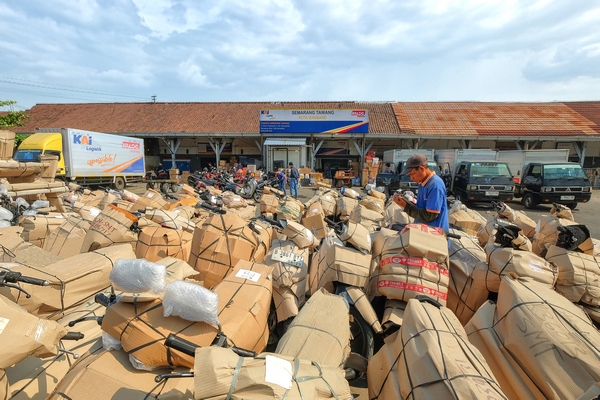
In recent days, the escalation has already caused concern regarding shipping activities. Military strikes and maritime security threats have led to a drastic decline in tanker traffic and increased risks for shipping companies and maritime insurers. This situation has subsequently triggered a surge in global crude oil prices.
The Minister explained that rising global energy prices will have a direct hit on manufacturing, as most industrial sectors use energy as a primary production cost component. Sectors such as petrochemicals, base metals, cement, fertilizers, and various processing sub-sectors are highly sensitive to energy price fluctuations.
“If global energy prices rise over a long period, production costs in manufacturing are likely to increase. This could affect production efficiency and the competitiveness of industrial products in both domestic and export markets,” Agus added.
Raw Materials and Export Challenges
Beyond energy, geopolitical conflict threatens the availability of industrial raw materials sourced from global markets. Economic observers note that Middle Eastern instability can disrupt international trade and trigger commodity price hikes.
For Indonesia, the impact may be felt in sectors with a high dependency on imported raw materials, such as chemicals, textiles, metals, and the food and beverage industry. Geopolitical uncertainty risks increasing procurement costs and lengthening delivery times due to diverted global logistics routes.
The Minister added that disruptions to international trade routes could also hamper export performance. Geopolitical conflicts typically trigger global market volatility, leading to fluctuations in demand from export destination countries.
Despite these challenges, the Minister emphasized that the government is taking anticipatory steps to maintain national industrial resilience. Strategies include strengthening upstream industrial structures, increasing the use of domestic raw materials, and diversifying export markets.
Discover more