Long Weekend Holiday: Ensuring Travel Safety, KCIC Uses Advanced Technology to Inspect Railway Tracks
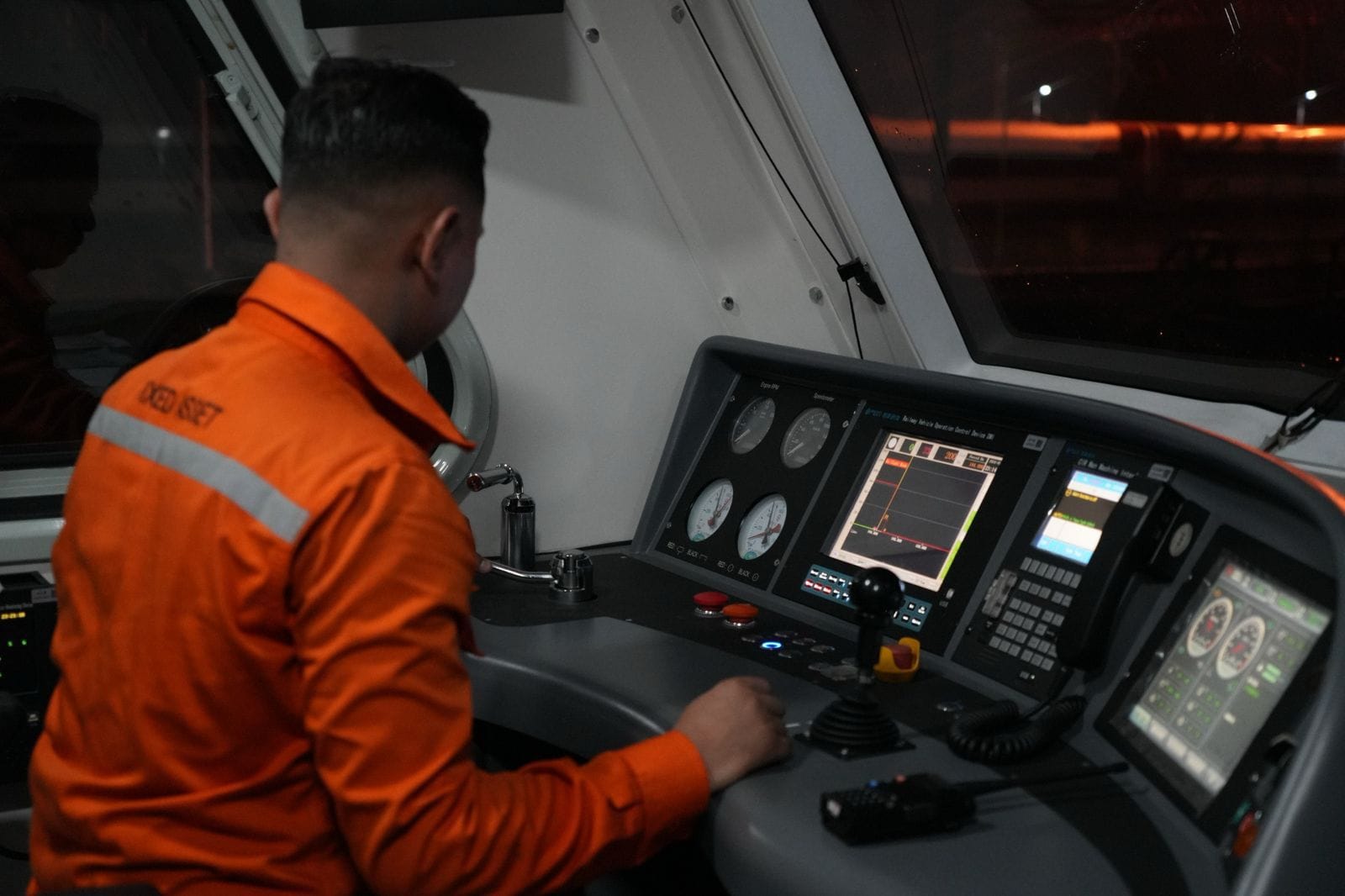
JAKARTA, Jakartaweekly.com — PT Kereta Cepat Indonesia China (KCIC) is ensuring the safety of Whoosh high-speed rail operations ahead of the long weekend holiday by utilizing advanced Rail Flaw Detection Vehicle (RFD) technology to detect potential defects on railway tracks.
KCIC General Manager Corporate Secretary Eva Chairunisa said regular inspections and maintenance are essential to maintaining the safety and operational reliability of the Whoosh service.
“Travel safety is KCIC’s top priority. Therefore, infrastructure inspections are carried out routinely and systematically, including through the use of advanced technology such as the Rail Flaw Detection Vehicle,” she said in an official statement on Friday, May 22, 2026.
Eva explained that since commencing operations in 2023, the Whoosh service has maintained a zero-accident record while sustaining an on-time performance rate of around 99 percent.
RFD inspections are conducted along the 142-kilometer Whoosh railway line in both directions. The inspections cover rail joints, rail cross-sections, and potential defects such as scratches and other anomalies along the tracks.
In addition to the rails, KCIC also inspects supporting components along the route, including signaling cables.
KCIC conducts RFD inspections once every two months at an operating speed of approximately 80 kilometers per hour. A single round-trip inspection takes around 3.5 hours to complete.
The inspections are carried out during window time, when all Whoosh train services have completed operations, ensuring no disruption to passenger services.
Currently, RFD operations are fully handled by eight Indonesian personnel after undergoing a knowledge transfer process from professional experts.
The team consists of drivers, inspection officers, and analysis officers responsible for ensuring inspection data can be accurately interpreted and properly followed up.
The inspection data is then analyzed to identify potential issues on the rails and supporting components along the line. The analysis results serve as the basis for maintenance personnel to carry out direct follow-up actions in the field.
In addition to routine inspections, the RFD can also be deployed to inspect railway tracks under certain conditions that may affect infrastructure, such as earthquakes, storms, extreme weather, and other natural disasters.
KCIC stated that the technology is part of a layered maintenance system designed to maintain the reliability of Whoosh infrastructure. Besides the RFD, KCIC also utilizes other inspection technologies through the Comprehensive Inspection Train (CIT), which covers track geometry, signaling, telecommunications, and overhead catenary system inspections.
“Through the use of advanced technology, regular maintenance, and operations handled by Indonesian personnel, KCIC remains committed to providing safe, reliable, punctual, and high-standard high-speed rail services for the public,” Eva said.
Discover more