Work From Home Returns? Indonesia Eyes Radical Energy-Saving Plan as Global Crisis Looms
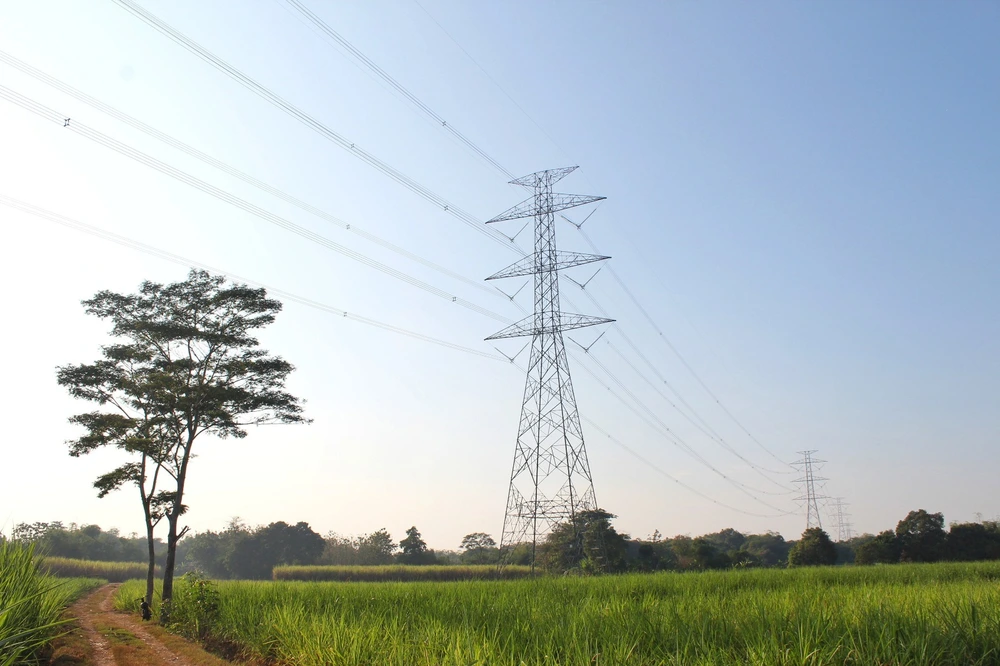
JAKARTA, Indonesia (JakartaWeekly.com) – Facing a deepening energy crunch fueled by geopolitical turmoil in the Middle East, the Indonesian government is dusting off its pandemic-era playbook. President Prabowo Subianto has signaled that a widespread return to “work-from-home” (WFH) policies for civil servants may be on the table as part of a national austerity drive to slash fuel consumption.
During a cabinet session at the State Palace on Friday, the President challenged his coordinating ministers to determine how many days a week government employees could operate remotely. The goal is simple: repeat the successful energy efficiency gains of the COVID-19 era to offset potential supply chain shocks.
“We can overcome this. We succeeded during COVID; we were capable, many worked from home, resulting in efficiency. This means we save a very large amount of fuel,” the President said.
The Ministry of Energy Prepares for “Total Efficiency”
The Ministry of Energy and Mineral Resources (ESDM) has been tapped to lead the operational shift. Deputy Energy Minister Yuliot Tanjung confirmed on Monday that the ministry is currently drafting technical guidelines to oversee a comprehensive energy audit across the nation.
“Operational evaluations will be conducted in detail for every activity related to energy usage,” Tanjung said during an inspection of the Padalarang Fuel Terminal in West Java.
Beyond WFH policies, Minister of Energy Bahlil Lahadalia is spearheading an aggressive plan to pivot away from fossil fuels. The government is fast-tracking the conversion of diesel-powered power plants—which currently rely heavily on imported solar (diesel fuel)—to renewable energy sources.
“We are optimizing all domestic potential, converting energies from fossil fuels,” Bahlil said, noting that the program will be implemented in phases across Indonesia, particularly in regions that remain heavily reliant on solar-powered generators.
Regional Trends: From Four-Day Weeks to “27-Degree AC”
Indonesia’s move mirrors similar drastic measures being adopted by neighbors across the Asia-Pacific region, all scrambling to insulate their economies from volatile energy prices:
- Thailand: The government has pushed public servants toward remote work while capping air conditioning temperatures at 26–27 degrees Celsius and limiting the use of elevators and escalators.
- The Philippines: Authorities have moved to a four-day work week for the public sector.
- Pakistan: Officials are implementing remote learning and work-from-home mandates as part of a national energy conservation strategy.
For Indonesia, the challenge lies in balancing a fragile fiscal budget with the logistical reality of a vast archipelago. While the technical guidelines for the new efficiency drive are still under review, the message from the State Palace is clear: the era of post-pandemic energy consumption is over, and a new period of austerity may be set to begin.
Discover more