Is Pertamax Really Hitting Rp17,850? Pertamina Breaks Silence on Viral Price Hike Rumors
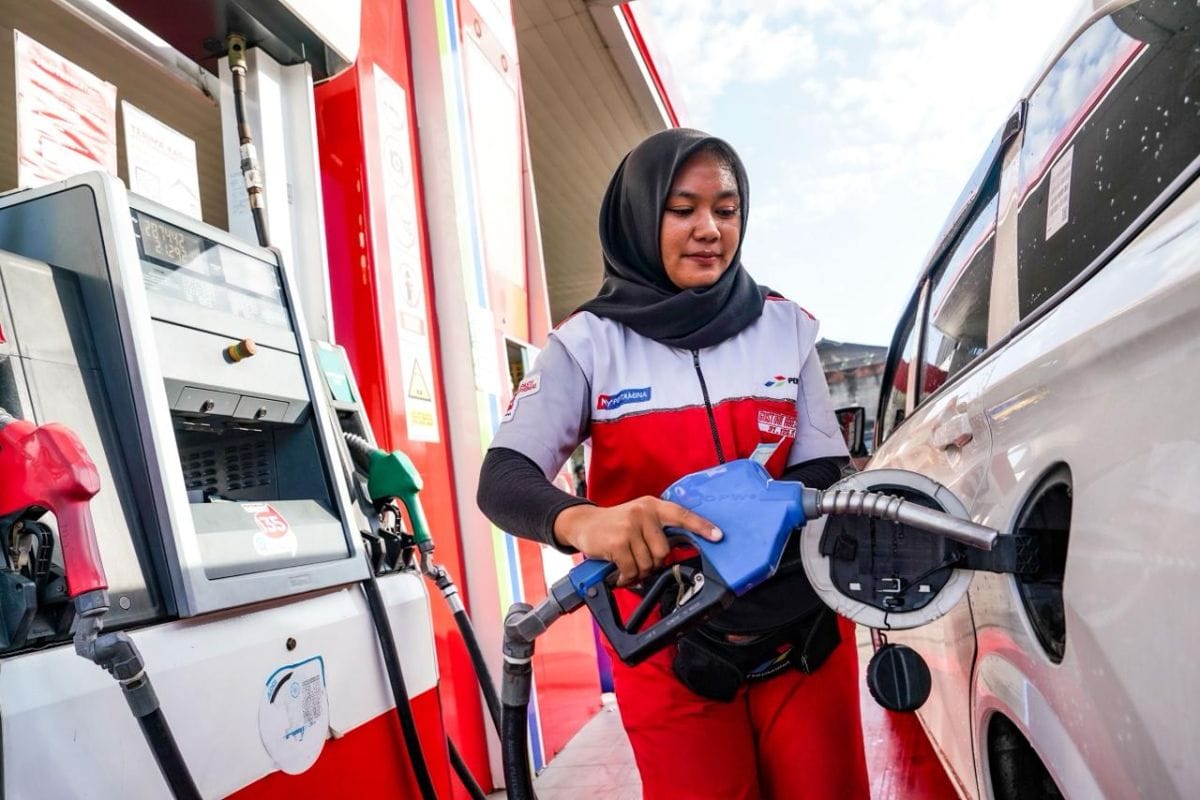
JAKARTA, Indonesia (JakartaWeekly.com) – Indonesia’s state-owned energy giant, Pertamina, has moved to quell growing public anxiety following a wave of viral social media posts predicting a massive spike in fuel prices effective April 1.
The rumors, which have been circulating rapidly across platforms, suggested that the price of Pertamax (RON 92) would jump by over 45 percent, soaring from Rp12,300 to a staggering Rp17,850 per liter. However, Pertamina officials confirmed on Monday that no such official decision has been made.
“Unaccountable” Projections
Muhammad Baron, Vice President of Corporate Communication at Pertamina, labeled the speculative figures as “unaccountable” and urged the public to rely solely on official company channels for pricing updates.
“As of now, there has been no official announcement regarding prices for April 1, 2026,” Baron told ANTARA. He emphasized that while the global energy landscape is shifting, consumers should verify information via the company’s official website rather than through unverified digital leaks.
The Anatomy of a Viral Rumor
The speculative posts provided detailed, albeit unofficial, justifications for the predicted hike. The “leaks” cited a weakening Rupiah—moving from Rp16,819 to Rp16,877 per US dollar—as a primary driver.
More alarmingly, the viral reports claimed a 62 percent surge in the Market Index Price (HIP) for RON 92 fuel, rising from US$73.91 to US$120 per barrel. The rumors didn’t stop at Pertamax; they also predicted eye-watering increases for other non-subsidized products:
- Pertamax Green 95: Rumored to rise from Rp12,900 to Rp19,150.
- Pertamax Turbo: Rumored to rise from Rp13,100 to Rp19,450.
- Pertamina Dex (Diesel): Rumored to rise from Rp14,500 to Rp23,950.
A Shield for the Subsidized
While the fate of high-octane “lifestyle” fuels remains a subject of intense market speculation, the government is moving to protect the most vulnerable segments of the economy.
Energy and Mineral Resources (ESDM) Minister Bahlil Lahadalia and Finance Minister Purbaya Yudhi Sadewa are reportedly working behind the scenes to ensure that subsidized fuels—specifically Pertalite and Biosolar—remain at their current price points. Amidst a broader global energy crisis, the administration is prioritizing price stability for the mass-market fuels that drive Indonesia’s logistics and public transport sectors.
The Call for “Wise Energy”
Beyond the pricing debate, Pertamina’s leadership is echoing the government’s call for national energy conservation. Baron reaffirmed the company’s support for “wise energy use,” suggesting that regardless of the final price determination on April 1, the era of cheap, abundant fuel is facing unprecedented pressure from both currency volatility and global supply shocks.
For now, Jakarta’s motorists are left in a state of watchful waiting, with their eyes fixed on the stroke of midnight tomorrow.
Discover more