
Family Resilience Is Key to Supporting Children with Special Needs
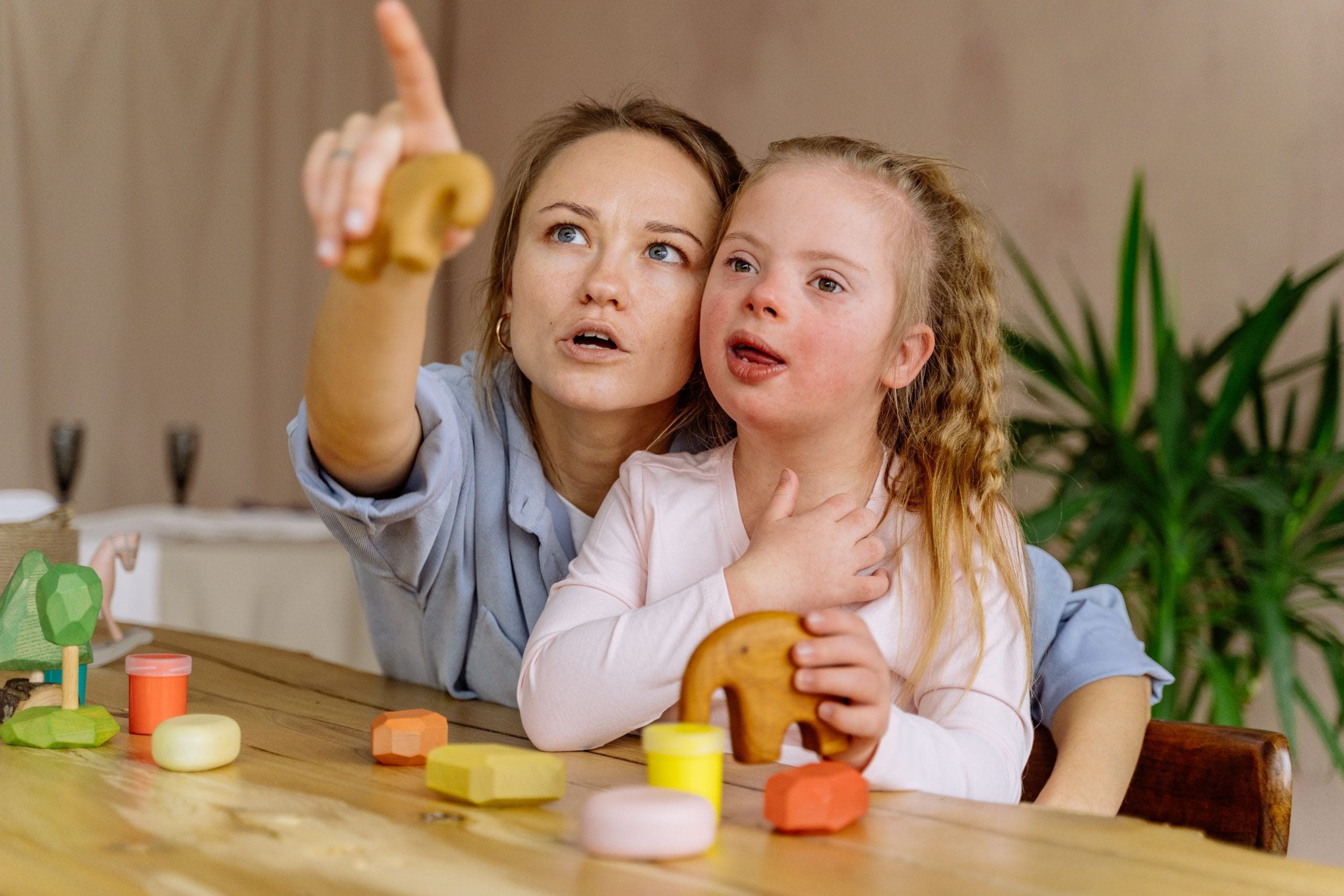
BANDUNG, Jakartaweekly.com — Cikal Bandung School believes that family resilience plays a crucial role in supporting the growth and development of children with special needs. Rather than being defined as the ability to remain strong at all times, resilience is seen as a family’s willingness to keep learning, adapting, and finding the best ways to support their child amid various challenges.
Dea Novitasari, Inclusive Education Coordinator at Cikal Bandung School, said every family—including those raising children with special needs and their siblings—faces challenges throughout life’s journey.
According to her, family resilience is the ability of every family member to continue fulfilling their respective roles despite the many difficulties they encounter.
“In my view, family resilience is a family’s ability to persevere through life’s journey together, with each member fulfilling their role despite the many challenges they inevitably face,” Dea said in Bandung recently.
Dea explained that a resilient family does not necessarily mean one that never feels exhausted or discouraged. Instead, it is a family that acknowledges its emotions while continuing to adapt and provide the support each child needs.
“Resilience does not mean parents must always be strong or never feel tired. It is perfectly natural to experience sadness, confusion, disappointment, worry, or exhaustion. What makes a family resilient is its willingness to keep learning, adapting, and finding the best ways to support their child,” she said.
She identified three major challenges families face in building resilience: parenting, education, and daily life.
In terms of parenting, parents need to understand that every child has unique needs, meaning no single approach can be applied to all children.
The process requires patience, consistency, and a commitment to continuously learning the most effective ways to help children communicate their needs, regulate their emotions, and develop independence.
In education, families often face the challenge of finding a learning environment that meets their child’s specific needs.
Parents are also expected to maintain close communication with teachers, monitor their child’s progress, and adjust their expectations to reflect each child’s individual pace of development.
In everyday life, families must balance work, household responsibilities, school, therapy sessions, and the needs of other children.
In addition, many families continue to encounter comments or attitudes from people who do not fully understand the circumstances of children with special needs.
Dea added that the efforts families make in supporting children with special needs often go unnoticed by society. For that reason, she emphasized that support from schools and the broader community is an essential part of strengthening family resilience.
Discover more