


Indonesia and Russia Strengthen Strategic Industrial Cooperation at Saint Petersburg Forum
Discover more

Saint Petersburg, Jakartaweekly.com— The Indonesian government continues to strengthen the country’s industrial sector by expanding cooperation with strategic partner countries, including Russia. The long-standing diplomatic relationship between Indonesia and Russia has increasingly encouraged collaboration in industry, trade, and investment, aimed at strengthening industrial structures while expanding access to global markets.
This commitment was further emphasized through Indonesia’s participation as a Partner Country at INNOPROM 2026, a major international industrial trade fair in Russia that is expected to open more concrete and mutually beneficial opportunities for bilateral cooperation.
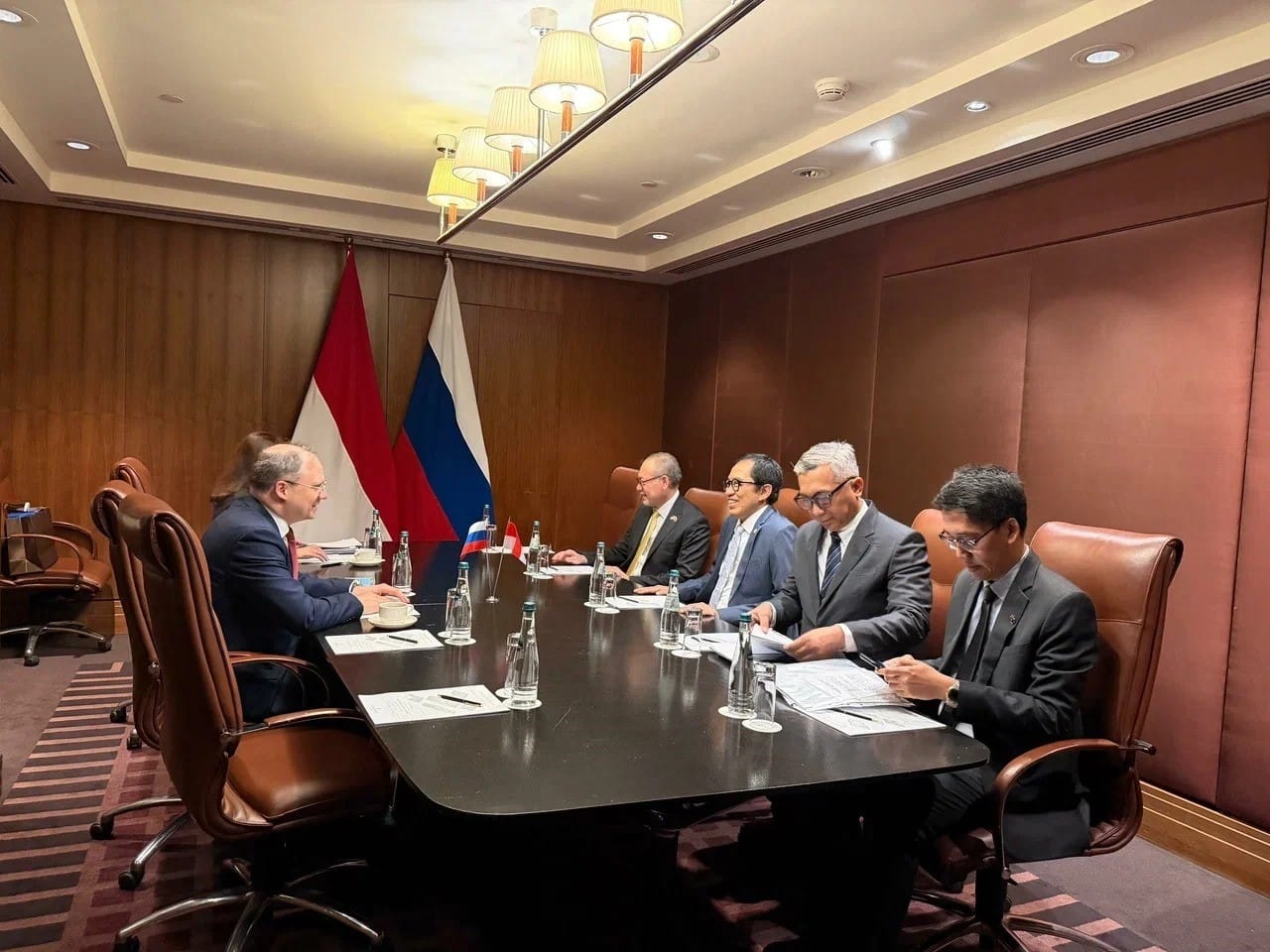
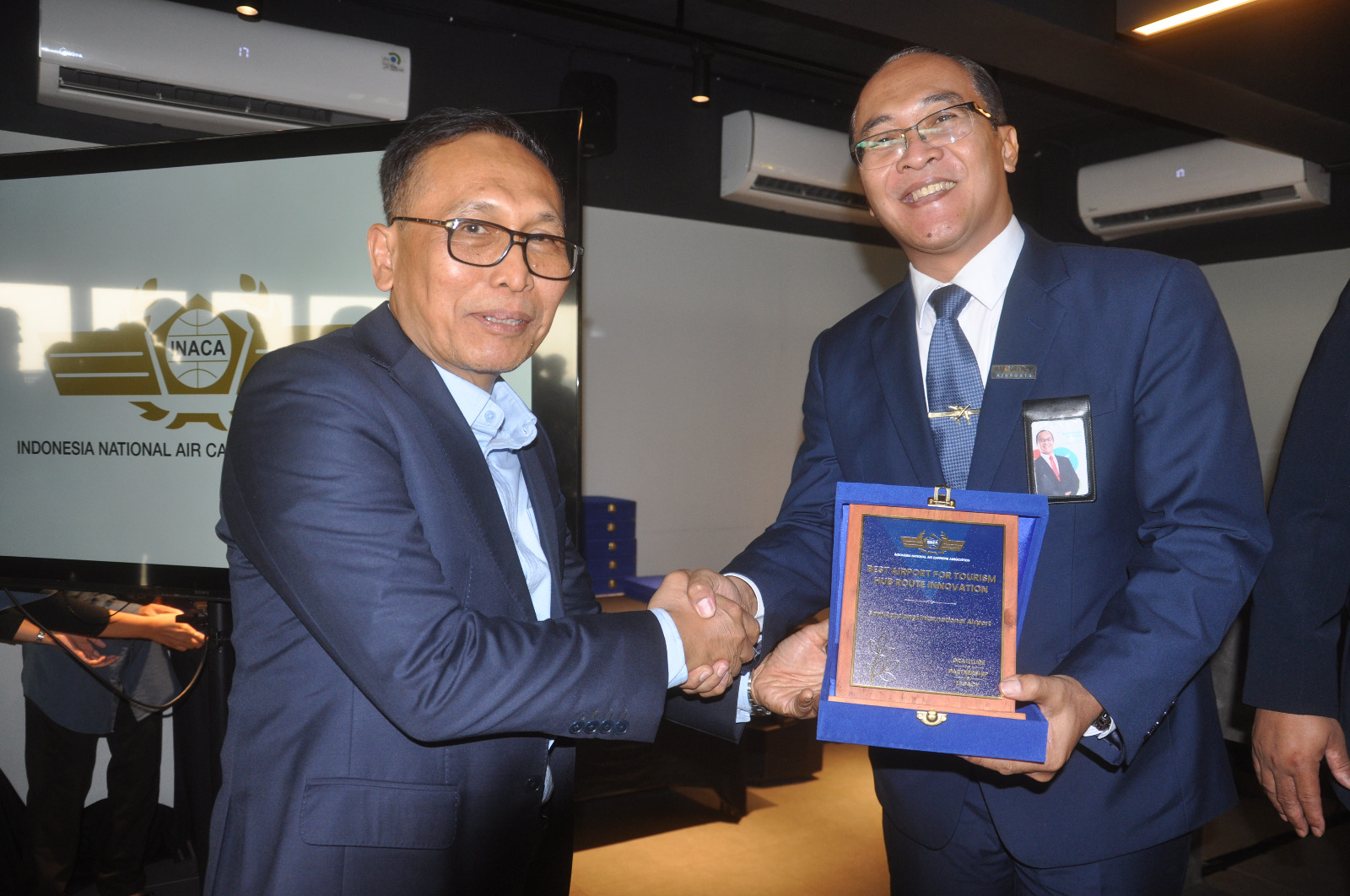
The strengthening of industrial collaboration was discussed during a bilateral meeting between Indonesia’s Deputy Minister of Industry Faisol Riza and Russia’s Deputy Minister of Industry and Trade Alexey Vladimirovich Gruzdev on the sidelines of the Indonesia–Russia Business and Investment Forum 2026 in Saint Petersburg.
“Indonesia views Russia as a long-term strategic partner in national industrial development. We want to ensure that all cooperation opportunities discussed do not stop at the level of commitment, but are immediately transformed into concrete actions that deliver tangible benefits for both countries,” Faisol said during the meeting.
The bilateral discussion followed the meeting between Indonesian President Prabowo Subianto and Russian President Vladimir Putin in Moscow on April 13, 2026, where both leaders reaffirmed their commitment to deepening cooperation across various priority sectors.
Both sides acknowledged that Indonesia–Russia bilateral relations continue to show positive growth. As of October 2025, non-oil and gas trade between the two countries had reached USD 4.04 billion, reflecting consistent growth since 2020. Russian investment realization in Indonesia has also continued to expand, although both countries believe there remains significant untapped potential for further growth.
During the meeting, the Indonesian government emphasized the importance of accelerating identified cooperation opportunities into measurable and sustainable programs. INNOPROM 2026 was viewed as a key momentum to fast-track the implementation of several strategic partnerships.
A number of priority sectors became the focus of discussion between the two countries, including cooperation in manufacturing, shipbuilding, petrochemicals, pharmaceuticals and medical devices, as well as industrial technology development.
In addition, both parties agreed to accelerate the implementation of the Indonesia–Eurasian Economic Union Free Trade Agreement (I–EAEU FTA), which is targeted to come into effect next year. The agreement is expected to become a strategic platform for expanding market access and increasing bilateral trade volume between Indonesia and Eurasian Economic Union member countries.
Beyond trade cooperation, the bilateral meeting also highlighted the acceleration of several strategic agreements and the finalization of a Memorandum of Understanding (MoU) on Industrial Cooperation. The MoU is expected to serve as a legal framework that will strengthen industrial collaboration in a more systematic and sustainable manner.
The signing of the agreement is targeted to coincide with the momentum of INNOPROM 2026, further reinforcing industrial cooperation between both nations.
Indonesia and Russia also acknowledged the strategic importance of multilateral platforms such as BRICS, particularly through the BRICS Centre for Industrial Competences (BCIC), in supporting industrial transformation and enhancing human resource capabilities.
According to both governments, collaboration through multilateral industrial platforms can create broader opportunities for technology exchange, innovation partnerships, and industrial capacity development that support long-term economic growth.
“Indonesia’s participation as a Partner Country at INNOPROM 2026 must be utilized optimally to expand investment, strengthen industrial partnerships, and encourage technology transfer that directly contributes to improving the competitiveness of Indonesia’s national industry,” Faisol concluded.
Indonesia’s growing engagement with Russia reflects Jakarta’s broader strategy to diversify industrial partnerships and strengthen international cooperation amid ongoing global economic transformation. Through stronger collaboration in manufacturing, advanced technology, and industrial development, both countries aim to create more resilient and sustainable economic ties while supporting future industrial growth.
As preparations continue toward INNOPROM 2026, both governments are expected to intensify discussions with industry players and investors to ensure that the partnership translates into concrete projects, investment commitments, and long-term industrial cooperation that benefit both economies.