Health Deputy Minister Stresses Readiness and Safety Standards for Robotic Surgery
JAKARTA, Jakartaweekly.com— Deputy Health Minister Benjamin Paulus Octavianus has stressed the importance of health worker readiness, governance, safety standards and supporting systems in the development of healthcare technology, including robotic surgery.
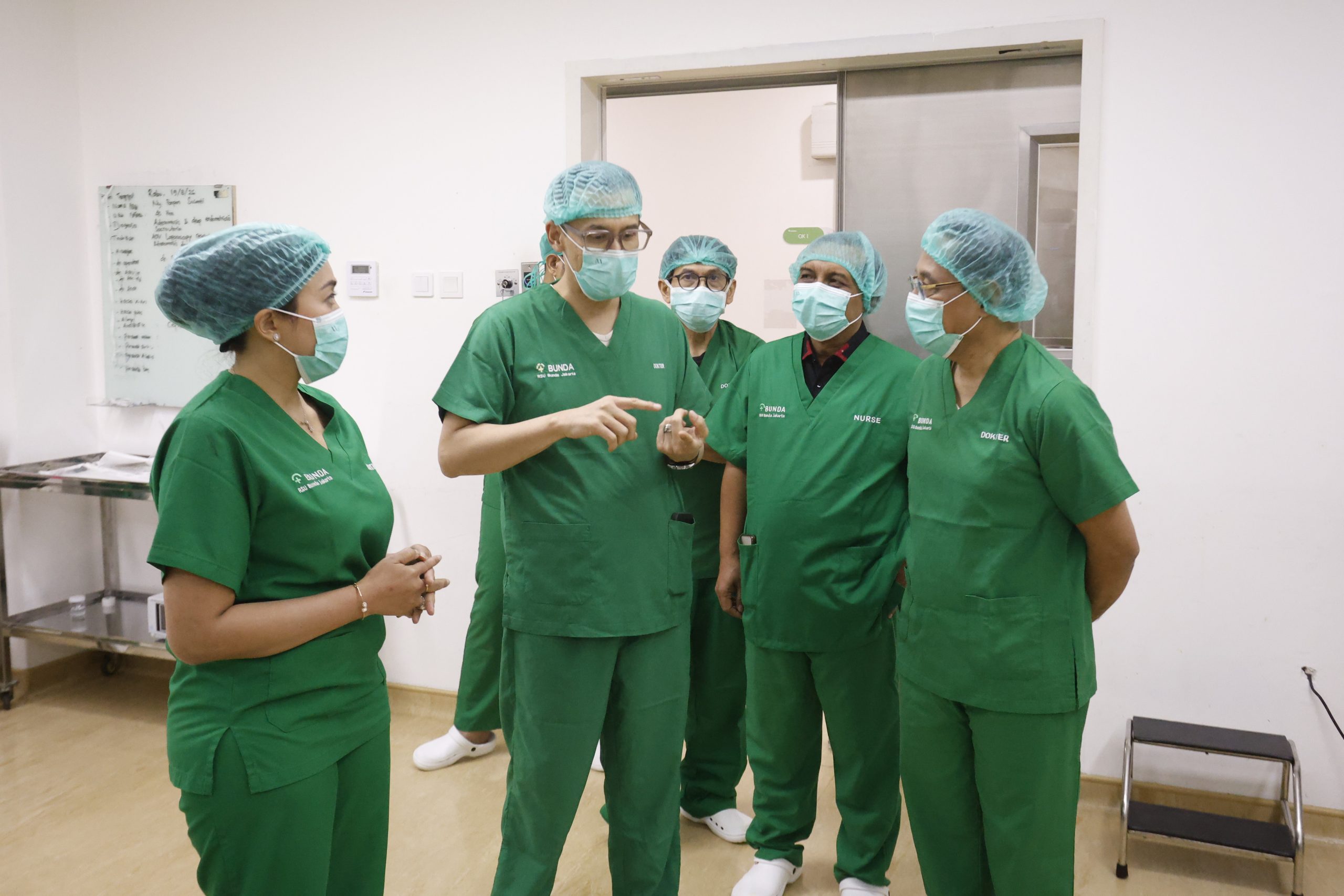
Benjamin made the remarks during a visit to the robotic surgery service at Bunda General Hospital Jakarta on Friday, Aug. 21, 2026. During the visit, he observed the use of robotic surgery technology and held discussions with the hospital’s medical team on the development of technology-based healthcare services.
“The development of healthcare technology needs to go hand in hand with the readiness of health workers, governance, safety standards and adequate supporting systems,” Benjamin said in a written statement.
During the visit, Benjamin also observed a urological procedure performed by Ponco Birowo and the robotic telesurgery team in the operating room at Bunda General Hospital Jakarta.
He also held discussions with several doctors at the hospital, including Sita Ayu Arumi, an obstetrics and gynecology specialist, and Norman Zainal, an orthopedic specialist.
According to Benjamin, healthcare facilities’ experience in implementing medical technology can contribute to efforts to build capacity and expand public access to healthcare services.
“Such experience is expected to continue driving capacity building and expanding public access to quality healthcare services,” he said.
Bunda General Hospital Jakarta has provided robotic surgery services since 2012. PT Bundamedik Tbk (BMHS) said the hospital has performed nearly 1,000 robotic surgery procedures since the service was introduced.
BMHS President Commissioner Ivan Rizal Sini said the company’s more than a decade of experience had provided a basis for determining the use of technology according to clinical needs.
“For us, robotic surgery is not simply about the number of procedures performed or investment in technology. More than a decade of experience has provided the foundation for us to continuously assess clinical indications and make more accurate clinical decisions,” Ivan said.
He said technology was being positioned as part of efforts to improve patient outcomes and experiences. Its use also takes into account patients’ conditions, clinical indications, case complexity and the expected benefits.
BMHS President Director Agus Heru Darjono said the development of medical technology was part of the company’s long-term strategy to strengthen its healthcare service capabilities.
“Our focus is not only on introducing technology, but also on building service capacity sustainably so that access to complex healthcare services can continue to expand and reach more people,” Agus said.
Discover more