Indonesia’s Finance Ministry KCIC Debt Takeover Still Could Burden State Budget
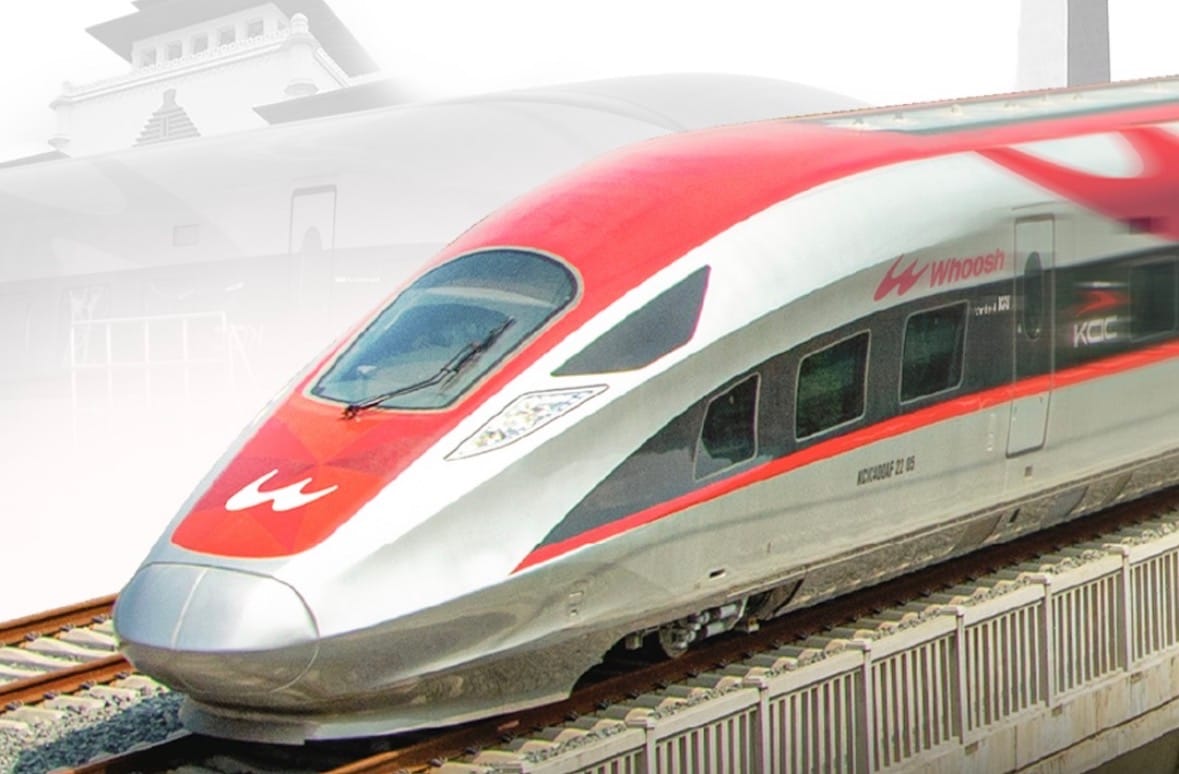
JAKARTA, Jakartaweekly.com—An economist said the government’s move to take over the debt of PT Kereta Cepat Indonesia China (KCIC), the operator of the Whoosh high-speed rail service, will still put pressure on the state budget, despite the use of a Special Mission Vehicle (SMV) mechanism.
Center of Economic and Law Studies (Celios) Economic Director Nailul Huda said the use of an SMV would not automatically eliminate the potential burden on the state budget. He said the government would ultimately have to assume KCIC’s obligations if the company is unable to repay its debt.
“Currently, the mechanism for capital injections into state-owned enterprises is being minimized and replaced with dividend management. So, ultimately, Whoosh’s debt will still be paid through the state budget via an SMV under the Finance Ministry because a mechanism through Danantara is not possible,” Huda told Jakarta Weekly on Monday, Aug. 10, 2026.
Huda said the decision was related to Danantara’s position, which he said made it difficult for the state asset manager to take over KCIC’s debt. He said there were concerns that potential losses at KCIC could put pressure on Danantara’s financial position.
He said the concern stemmed from the difficulty KCIC would face in paying its debt and interest solely from its revenue.
As a result, the government would still have to step in through the state budget if Danantara does not have sufficient funds to provide support. A similar situation could occur if the SMV under the Finance Ministry also lacks sufficient funds. The difference is that the state budget funds would be channeled through the SMV rather than Danantara.
Huda added that the restructuring would have little impact without improvements in KCIC’s operational performance. With its current passenger occupancy rate, Whoosh remains far from being able to generate profits from its operations.
“They are also still struggling to compete with other modes of transportation to Bandung at the current ticket prices. There are still other, more affordable transportation options with travel times that passengers can tolerate,” Huda said.
Finance Minister Purbaya Yudhi Sadewa previously explained that KCIC’s debt would be fully taken over by the Finance Ministry through an SMV mechanism.
The government expects the scheme to prevent KCIC’s debt from becoming a direct burden on the state budget. However, as of the publication of this article, the government had not provided details on how the mechanism would work.
Purbaya stressed that the takeover does not mean the debt from the Whoosh project would immediately become a state budget obligation. Through the SMV mechanism, the designated entity would have sufficient financial capacity to manage the assets without requiring a government capital injection.
The Finance Ministry currently has several SMVs, including PT Sarana Multi Infrastruktur (SMI). The company provides long-term financing for infrastructure development, renewable energy and strategic projects at the regional government level.
SMI raises funding through several sources, including state capital injections, bond and securities issuances, as well as loans from financial institutions and third parties.
In addition to SMI, the Finance Ministry’s SMVs include PT Penjaminan Infrastruktur Indonesia (PII), PT Sarana Multigriya Finansial (SMF), the Indonesia Eximbank (LPEI), the State Asset Management Agency (LMAN), the Indonesia Endowment Fund for Education (LPDP), and the Government Investment Center (PIP).
Earlier, Purbaya said the Finance Ministry would take over the shares held by the PT Pilar Sinergi BUMN Indonesia (PSBI) consortium in KCIC.
The PSBI consortium comprises PTPN III, PT Kereta Api Indonesia (KAI), and PT Wijaya Karya Tbk (WIKA). Although the government will take over the consortium’s shares, Purbaya said the consortium would not be dissolved and Chinese investors would remain KCIC shareholders.
State Secretary Prasetyo Hadi also explained that the Finance Ministry’s takeover of KCIC shares would place responsibility for the high-speed rail project’s debt under the Finance Ministry.
Discover more