Online Gambling Operators Shift to Social Media Comment Spam as Crackdown Intensifies

JAKARTA, Jakartaweekly.com— The growing number of spam accounts promoting online gambling in social media comment sections indicates that operators are changing their promotional strategies as the Indonesian government intensifies its crackdown on illegal online gambling, according to cybersecurity experts.
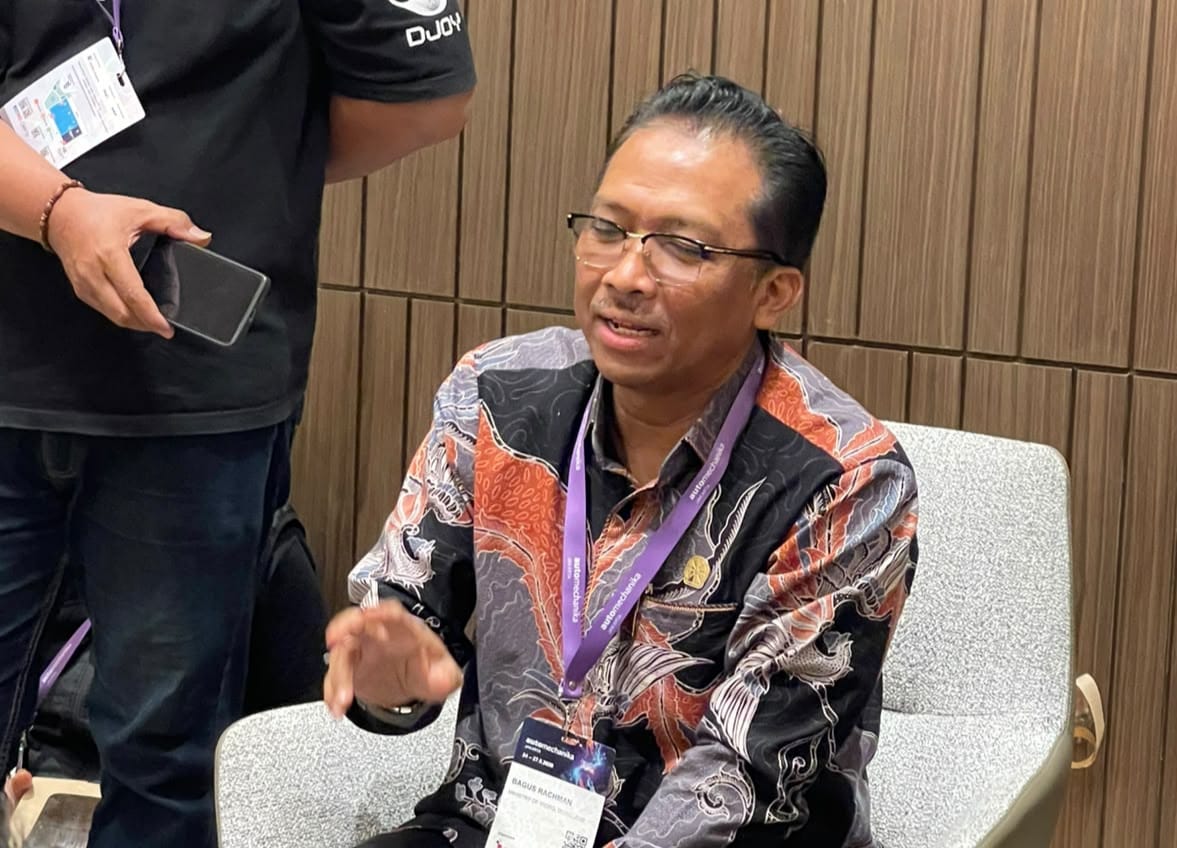
Pratama Persadha, Chairman of the Communication and Information System Security Research Center (CISSReC), said gambling operators are increasingly exploiting the comment sections of platforms such as Instagram, Facebook, X, and TikTok to distribute links to online gambling websites on a massive scale.
According to Pratama, the method is part of comment spam farming, a practice in which bots or centrally managed fake accounts are used to automatically post large volumes of promotional comments.
“The target is not only people actively looking for online gambling, but all social media users. They rely on massive distribution in the hope that some users will eventually click on the links,” Pratama said recently.
He said the shift in promotional tactics suggests that the government’s efforts to block gambling websites and restrict official promotional channels are beginning to put pressure on the online gambling ecosystem.
As access to primary gambling websites becomes increasingly restricted and official advertising channels continue to shrink, operators have turned to social media to attract new users.
Pratama explained that the tactics employed have also become more sophisticated. Spam comments typically contain links to temporary domains, promotional codes, messaging app accounts, or other instructions that eventually direct users to online gambling platforms.
To evade detection and blocking, the domains are frequently changed. Meanwhile, the accounts used often appear legitimate, making them less likely to be immediately recognized as part of an illegal promotional campaign.
“Online gambling networks are now adopting techniques commonly used in modern cybercrime, including automation, identity obfuscation, and the rapid rotation of digital infrastructure,” he said.
Platforms Urged to Strengthen Content Moderation
Pratama said the Ministry of Communication and Digital Affairs (Komdigi) has introduced a number of policies encouraging social media platforms to tighten their moderation of online gambling content.
However, he said the effectiveness of those policies ultimately depends on each platform’s commitment to enforcing its moderation system consistently.
“The regulations are already in place, and Komdigi has done its part. But if the platforms fail to enforce them seriously, there is little else that can be done because they have full control over their moderation systems,” he said.
According to Pratama, social media platforms already possess the technological capability to detect thousands of identical comments posted within a short period, identify accounts created in bulk, and uncover coordinated networks of fake accounts.
He therefore called for stronger collaboration between Komdigi and social media companies, including the broader use of artificial intelligence (AI) to automatically detect bot accounts, spam comments, and suspicious behavioral patterns.
In addition to improving automated detection of repetitive links, Pratama said platforms should accelerate the removal of gambling-related comments and the suspension of accounts promoting illegal gambling. He also urged platforms to provide more responsive reporting mechanisms and notify users once their reports have been acted upon.
Account Owners and Users Encouraged to Take Action
Pratama also urged owners of public accounts, including influencers, content creators, and brands, to make use of the comment-filtering features already available on most social media platforms.
He noted that nearly all major platforms allow users to filter keywords, enabling comments containing terms such as “slot,” “maxwin,” “gacor,” “scatter,” and other gambling-related words to be automatically hidden.
“Owners of large public accounts actually have control over their comment sections. The keyword filtering feature is already available—they simply need to use it. If online gambling spam continues to appear, it means the feature has not been utilized effectively,” he said.
Pratama also advised the public not to click on links shared in comment sections, avoid engaging with accounts promoting online gambling, and report such accounts immediately through the platform’s reporting system.
“The sooner these accounts are reported, the greater the chance platforms can take action before the promotions reach more users,” he said.
He stressed that tackling online gambling promotions on social media requires collaboration among the government, digital platforms, account owners, and the public to create a safer digital environment in Indonesia.
Artificial intelligenceBotsCISSReCComment spamCybersecurityDigital securityKomdigiOnline GamblingOnline gambling spamPratama PersadhaSocial mediaSocial media moderation
Discover more