



Opinions: Ban Smoking While Driving
Discover more



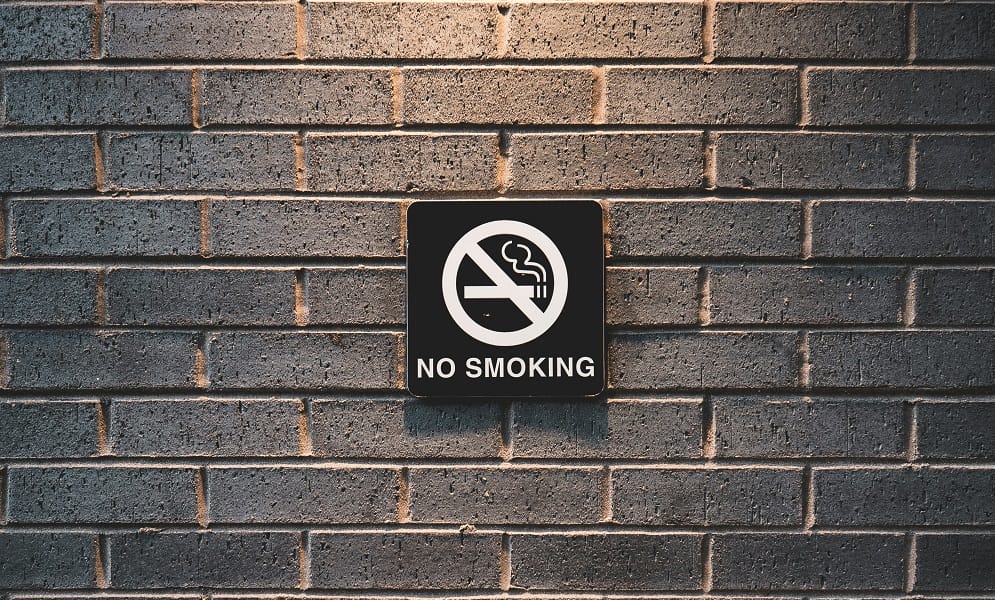
JAKARTA – Jakartaweekly.com. To improve road safety, the government could implement stricter regulations ban smoking while driving, whether by car or motorcycle riders.
This rule is stipulated in Law No. 22 of 2009 on Road Traffic and Transportation, specifically Article 106 Paragraph (1), which requires every motor vehicle driver to operate their vehicle reasonably and with full concentration.
From both technical and legal perspectives, smoking can interfere with concentration and limit a driver’s physical control, as one hand is occupied holding a cigarette or lighter. Cigarette smoke can also obstruct visibility and irritate the eyes, while ash and embers may pose a risk to other road users behind the vehicle and potentially trigger fires.
The regulation is further reinforced by Minister of Transportation Regulation No. PM 12 of 2019 on the Protection of Motorcycle User Safety. Article 6(e) explicitly prohibits motorcycle riders from smoking or engaging in other activities that may distract their concentration while riding.
For drivers who continue smoking in a manner that disrupts their concentration, sanctions are stipulated under Article 283 of Law No. 22 of 2009. Violators may face a maximum imprisonment of three months or a fine of up to IDR 750,000.
Smoking while driving can have serious consequences for road safety. For the driver, reaction times may be slower when responding to emergencies, such as sudden braking. For other road users, cigarette ash or burning embers thrown backward can hit the eyes of motorcycle riders, causing serious irritation and potentially leading to dangerous or even fatal accidents.
Although the legal framework and penalties are already in place, curbing the habit of smoking while driving in Indonesia remains challenging. Several key obstacles need to be addressed through strategic measures.
First, limited awareness and a lack of empathy. Many drivers consider smoking while driving or riding a motorcycle a routine activity to stay awake or relieve boredom, without realizing that it can affect their physical reflexes. Drivers may also overlook the fact that cigarette ash and embers can fly backward and impair the vision of other road users.
Second, difficulties in monitoring and law enforcement. Officers in the field face challenges in identifying and penalizing violations in real time, particularly motorcycle riders moving through congested traffic. Electronic Traffic Law Enforcement (ETLE) cameras currently focus more heavily on violations such as helmet use, seat belts and road markings. Cigarettes or cigarette embers can sometimes be difficult to capture clearly through roadside cameras.
Third, habit and addiction. For many people, smoking is a physical addiction. Resisting the urge to smoke during traffic congestion or long journeys requires a high degree of self-control.
First, more effective law enforcement. Police could conduct periodic traffic operations specifically targeting drivers who smoke while driving. In addition to financial penalties, measures such as formal warnings or temporary withholding of vehicle documents could potentially create a stronger deterrent effect.
Second, greater use of technology and public reporting. AI could be incorporated into ETLE systems to detect gestures associated with holding cigarettes or cigarette embers in the driver’s area. Authorities could also provide channels for members of the public to report dangerous driving through dashcam or mobile phone footage submitted via official police applications.
Third, impactful visual education campaigns. Public awareness campaigns should go beyond simply communicating “No Smoking While Driving.” They should highlight the real consequences of cigarette ash, including eye irritation and potentially severe vision impairment for riders behind the smoker.
Information about the dangers of smoking while driving could also be incorporated into both the theoretical and practical examinations required to obtain a driver’s license.
Changing this behavior cannot rely solely on police enforcement on the roads. A combination of technology-based law enforcement and stronger empathy among road users is essential to creating safer and more comfortable roads for everyone.
Djoko Setijowarno
Academic, Civil Engineering Study Program, Soegijapranata Catholic University, and Advisory Board Member, Indonesian Transportation Society (MTI)