Jakarta to Offer Free Public Transport to Job Seekers from 2027
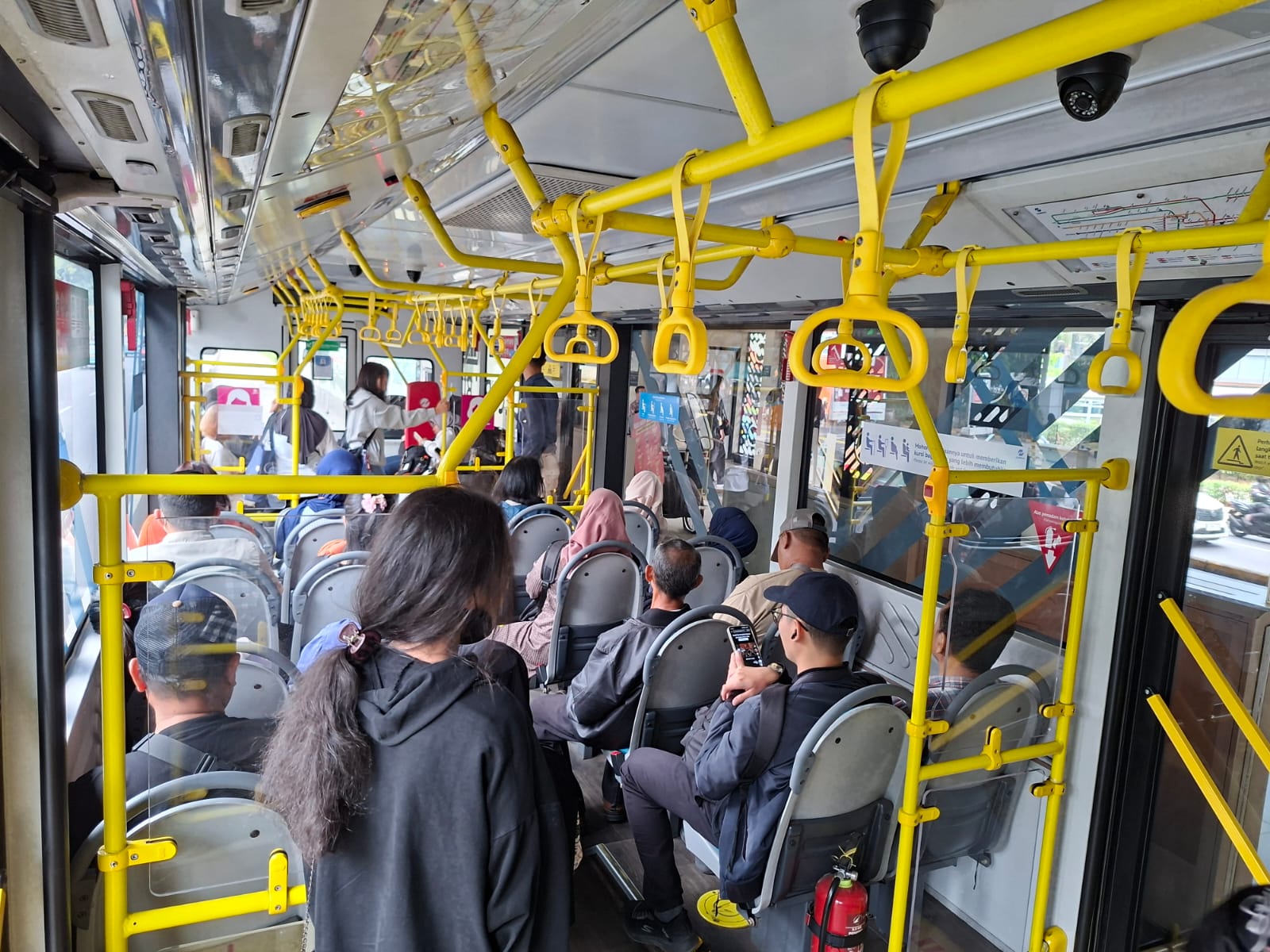
JAKARTA – Jakartaweekly.com. Jakarta will provide free public transport access to eligible job seekers starting January 1, 2027, as the provincial administration seeks to reduce the financial burden of finding employment.
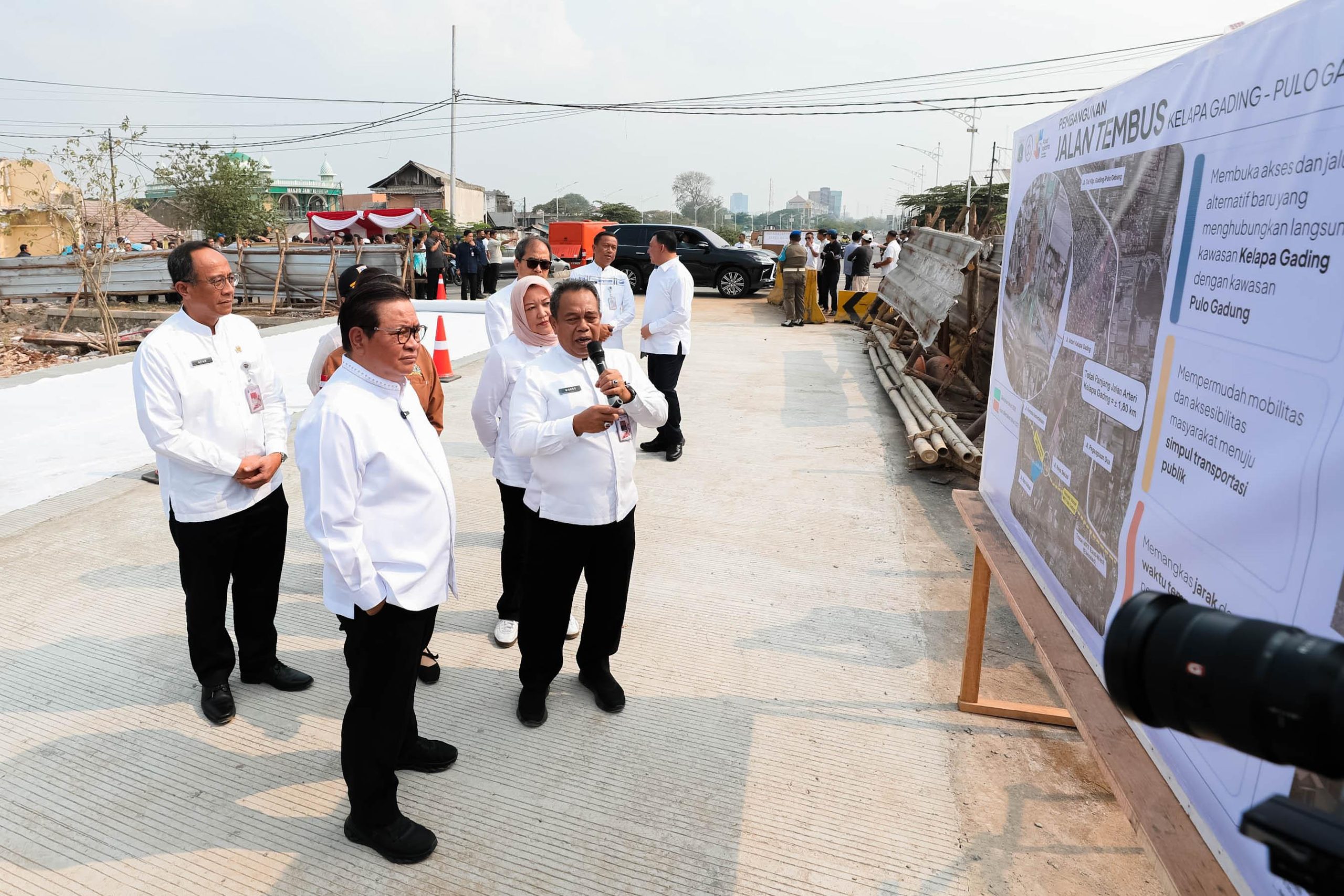
Jakarta Governor Pramono Anung announced the plan on Thursday, October 22, during the opening of the Karir Jakarta & Tenaga Kerja Mandiri Expo 2026 at SMESCO in South Jakarta. The policy is expected to cover public transportation services managed by the Jakarta administration.
“Starting January 1, 2027, the Jakarta administration will decide that job seekers will be included among those eligible to use all public transportation managed by the Jakarta government for free,” Pramono said.
He explained that the decision was inspired by the challenges faced by people seeking employment, particularly the repeated journeys required to attend interviews, psychological assessments and job fairs.
Pramono said the administration plans to issue a dedicated job-seeker card to facilitate access to the benefit. However, the implementation mechanism and eligibility requirements still need to be developed.
The programme will prioritise people who have never previously worked. Those who have already secured employment and subsequently seek to change jobs will not qualify under the policy as described by the governor.
Reducing the Cost of Finding Work
The planned benefit is intended to ease the financial pressure on people who are not yet earning an income. Transport expenses can accumulate as job seekers travel between interviews, recruitment tests and employment exhibitions.
Djoko Setijowarno, an academic in civil engineering at Soegijapranata Catholic University and an adviser to the central board of the Indonesian Transportation Society (MTI), said free or affordable public transport could help reduce these costs.
In his assessment, access to free transport could allow job seekers to redirect their limited funds towards other essential expenses, including printing application documents, purchasing internet data and paying for daily necessities.
The policy could also make it easier for applicants to pursue opportunities farther from home without being deterred by transportation costs. Beyond its financial benefits, the initiative could help job seekers feel that the local government is supporting their efforts to enter the workforce.
If implemented effectively, the programme could also encourage more people to use mass transit regularly, building public transport habits among prospective workers.
Calls for Strict Eligibility Checks
While welcoming the potential benefits of the initiative, Djoko emphasised the need for a robust monitoring system to ensure that the facility is used only by eligible recipients.
Because a person’s employment status can change at any time, he argued that the programme should have clear eligibility rules, integrated data management and digital monitoring.
One proposed measure is to connect the job-seeker card to official records held by Jakarta’s manpower authorities and the national civil registration system, known as Dukcapil, to verify applicants’ identities and employment status.
Djoko also suggested limiting the card’s validity to three to six months, with a maximum of one extension for recipients who can demonstrate that they remain unemployed.
He proposed automatically deactivating access when a recipient’s employment status is confirmed through relevant employment records, including registration with BPJS Ketenagakerjaan where applicable.
To prevent cards from being lent, sold or used by others, Djoko recommended that they be personalised with the holder’s name and photograph or linked to a mobile application using biometric verification or dynamic QR codes.
Regular random audits by Jakarta’s manpower authorities could further help identify fictitious applicants and attempts to exploit the system.
These measures are proposals from Djoko and should not be interpreted as confirmed features of the Jakarta administration’s programme.
Part of Jakarta’s Wider Free Transport Policy
The job-seeker initiative follows Jakarta’s broader efforts to expand free public transport eligibility. Pramono previously announced plans to increase the number of beneficiary categories from 15 to 21.
The new programme would extend the policy to people who are actively seeking their first job, although the final eligibility criteria and administrative arrangements have yet to be confirmed.
Djoko argued that affordable mobility can play an important role in reducing household expenses, particularly in areas where public transport provides adequate coverage of residential neighbourhoods and employment centres.
He said that, with consistent governance and effective oversight, the proposed Free Service Card (Kartu Layanan Gratis, or KLG) could become more than a transport subsidy. It could serve as a means of improving access to employment opportunities and supporting social equity.
For Jakarta, the key challenge will be ensuring that the benefit reaches eligible job seekers while maintaining a transparent and accountable system ahead of its planned launch in 2027.
Discover more