Selatox Secures BPOM Export Approval for Indonesian Botulinum Toxin
JAKARTA – Jakartaewekly.com. Indonesia’s pharmaceutical manufacturing industry has reached a new milestone after local biopharmaceutical company PT Selatox Bio Pharma secured export-related marketing authorisation from the National Agency of Drug and Food Control (BPOM) for its Botulinum Toxin Selatox 100 Units (U).
Granted on November 3, 2026, the approval covers the company’s locally manufactured botulinum toxin type A product and represents a step towards introducing Indonesian-made biopharmaceutical products to international markets.
According to the company, Selatox is the first botulinum toxin product manufactured in Indonesia to receive BPOM marketing authorisation for export purposes. The development comes as Indonesia seeks to strengthen its domestic pharmaceutical industry and build greater capacity in specialised drug manufacturing.
The approval also provides a foundation for Selatox to pursue product registration in its intended export markets. However, market entry will depend on the regulatory requirements and approval processes in each destination country.
Manufacturing Capacity and Quality Standards
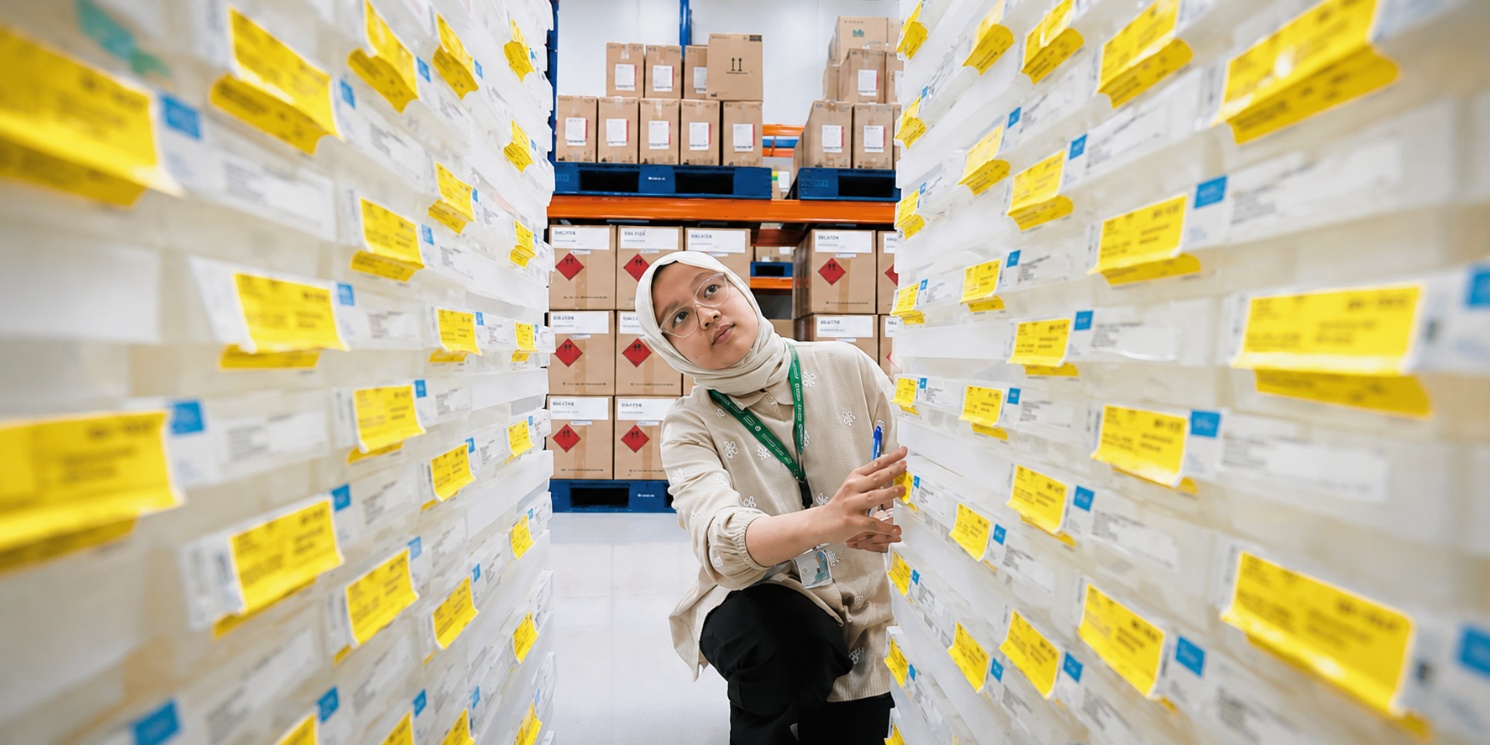
A key part of Selatox’s strategy is its manufacturing facility in Cikarang, West Java, which was completed in April 2025. The facility has an annual production capacity of 6.5 million vials and received Good Manufacturing Practice (GMP), known locally as Good Manufacturing Practices Certification (CPOB), from BPOM in July 2026.
The facility incorporates a Restricted Access Barrier System (RABS) to support aseptic filling processes, alongside automated packaging equipment and computer-based process control systems.
These technologies form part of the company’s manufacturing and quality assurance infrastructure. Selatox says its quality control procedures cover the production chain, from raw material handling and manufacturing to product testing and final release.
For pharmaceutical manufacturers seeking to enter international markets, production capacity alone is not sufficient. Compliance with manufacturing standards and the regulatory requirements of destination countries will also be important in establishing the reliability and competitiveness of their products.
Beyond Manufacturing: Building a Biopharmaceutical Business
Selatox is positioning its operations beyond production, with plans to develop an integrated business covering research and development (R&D), manufacturing, quality control and international commercial activities.
Its internal R&D team is currently working on formulation research and the development of additional products for its portfolio. Following the BPOM approval, the company plans to continue registration procedures in target countries while building partnerships with international business partners.
This approach reflects the broader requirements of the biopharmaceutical industry, where research capabilities, regulatory compliance and manufacturing expertise must develop alongside commercial operations.
The company is also seeking to strengthen Indonesia’s biopharmaceutical talent pool through academic partnerships with several universities in the country. These collaborations are intended to support research capabilities and develop skilled professionals for the domestic industry.
Developing Indonesia’s Biopharmaceutical Talent
Daniel Iskandar Wirawan, Plant Manager of Selatox, described the export-related approval as an initial step towards bringing locally manufactured botulinum toxin products to international markets.
“This export marketing authorisation marks an important first step towards bringing Indonesian-made botulinum toxin products to the global market. We will continue to strengthen the competitiveness of Botulinum Toxin Selatox by maintaining high standards in aseptic manufacturing processes and quality control, while contributing to the advancement of Indonesia’s biopharmaceutical industry,” he said.
The company’s next challenge will be translating the BPOM approval into actual international market access. This will involve completing registration procedures in individual markets, establishing distribution and commercial partnerships, and maintaining manufacturing standards as operations expand.
For Indonesia, the development offers an example of how domestic pharmaceutical companies are seeking to move further along the value chain, from local manufacturing towards research-driven production and international market participation.
While export approval represents an important regulatory milestone, the industry’s longer-term progress will depend on its ability to sustain product quality, strengthen research capabilities and compete within the regulatory frameworks of global pharmaceutical markets.
Discover more