
Acceptance of Children with Special Needs in Families Depends on Early Parental Awareness
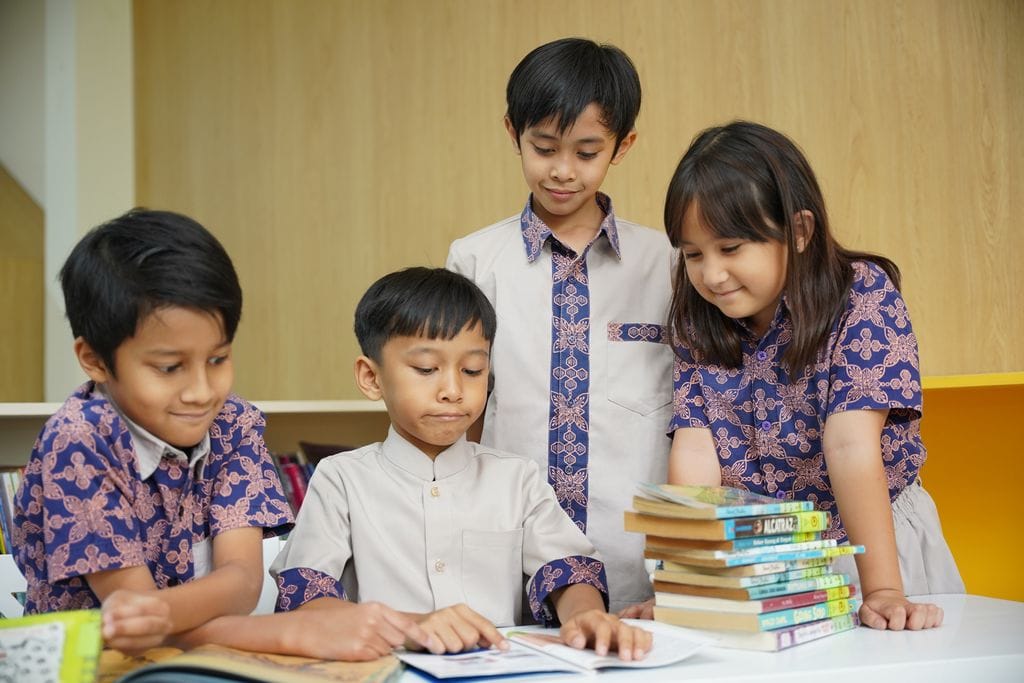
JAKARTA, Jakartaweekly.com – Acceptance of children with special needs within the family is not always formed automatically. In many cases, the understanding and attitudes of siblings toward children with special needs are strongly influenced by how parents build early awareness of the different needs among their children.
In some families, typically developing children often do not fully understand that their siblings with special needs learn, interact, and develop in different ways. This condition can lead to relationships between siblings that are not fully equal, and in some cases, children with special needs are perceived as “different” from other family members.
Muthia Devita, an Inclusive Education expert at Sekolah Cikal, argues that the root of acceptance lies in parenting patterns and parental awareness from the very beginning.
“Acceptance of siblings toward children with special needs starts with parents’ awareness in helping both children understand and accept each other,” Muthia said in a statement on Monday, May 11, 2026.
She explained that when parents are not actively bridging understanding between their children, the process of acceptance tends to progress slowly or may not develop properly. In such situations, siblings may grow up without a complete understanding of their sibling’s condition.
According to Muthia, parents play a key role not only as caregivers but also as facilitators who guide interaction and understanding within the family.
This approach is considered more effective than simply expecting children to immediately accept differences on their own.
She added that there are two basic approaches that can help build this understanding. First, strengthening parental awareness to actively accompany the process of mutual understanding between typically developing children and children with special needs.
Second, providing simple education about the needs and daily lives of children with special needs to all children in the family.
This education includes practical aspects such as how children with special needs express emotions, their need for a sense of safety, and forms of daily interaction that support social adaptation.
Simple activities such as playing together or helping to regulate emotions are also considered effective tools for social-emotional learning.
With consistent parental guidance, relationships between children with special needs and their siblings are expected to grow in a more understanding environment, creating a more inclusive and safe family setting for all children.
(Read Jakartaweekly.com news on Google News)
Discover more