BGN Reshuffle Leaves Food Safety Oversight Questions Unanswered
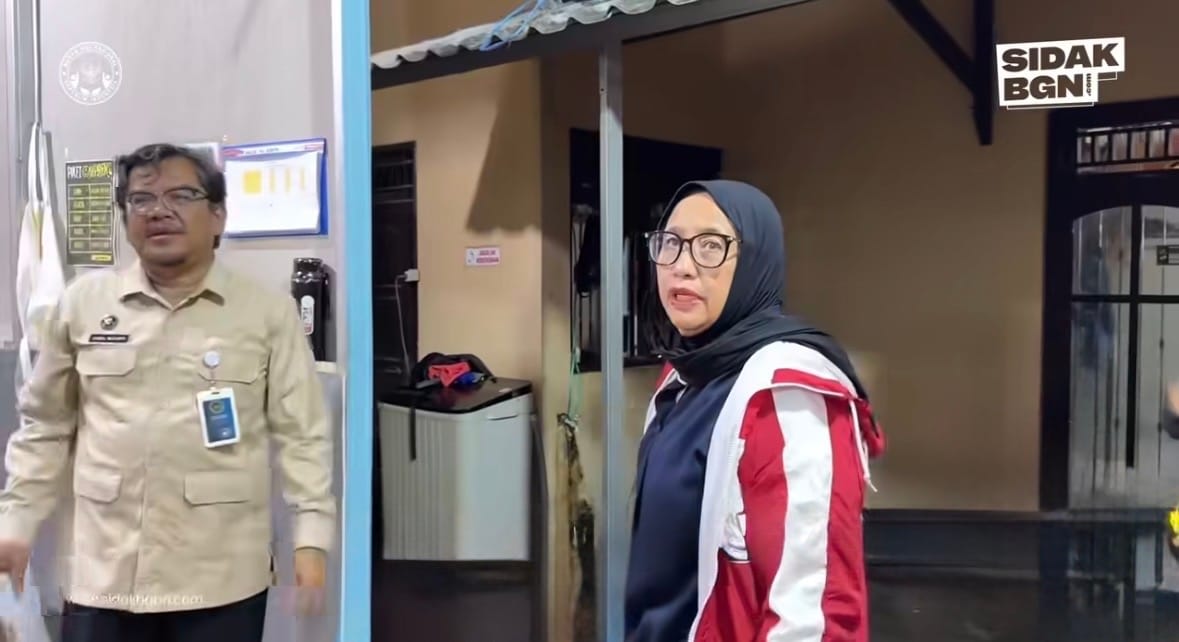
JAKARTA, Jakartaweekly.com — The leadership reshuffle at the National Nutrition Agency (BGN) is seen as unlikely to bring significant change if the Food and Drug Supervisory Agency (BPOM) is not formally involved in the implementation of the Free Nutritious Meals (MBG) program.
Public Policy Expert Agus Pambagyo said BPOM plays a crucial role in ensuring that food is distributed safely and free from contamination, so that children, as well as pregnant and breastfeeding mothers, can receive adequate nutrition.
“I know Deyang well. She comes from a journalism background. She is certainly proactive and frequently conducts field inspections. But the question is, does she truly understand food governance?” Pambagyo told Jakarta Weekly on Friday, June 5, 2026.
According to him, most of BGN’s new work plans align with recommendations he has made since late 2024. One key measure he considers important is a moratorium on the construction of new kitchens, as program needs vary significantly across regions.
Pambagyo cited the implementation of MBG in Jakarta as an example. He said the program would be more effective if focused on schools in lower-income areas such as Cilincing. Conversely, building large-scale nutrition service kitchens in relatively affluent areas such as Pondok Indah would be inappropriate.
“All of those are recommendations I have made since late 2024. There must first be a moratorium because proper food governance has not yet been established, and the program is not needed in all regions of Indonesia,” he said.
Pambagyo also welcomed plans to involve school canteens and parents in food management. According to him, this approach could improve food safety because meals are prepared in smaller quantities and closer to beneficiaries.
In addition, the policy is seen as helping protect small food vendors from losing their livelihoods.
However, he stressed that the success of the reform will largely depend on the ability of the new BGN head, Nanik Sudaryanti Deyang, to establish proper food governance.
“However, everything depends on whether Deyang is able to build proper food governance. Right now BPOM is not involved, even though it should be. BPOM used to be involved, but later there was no budget allocated for it,” he said.
Previously, President Prabowo Subianto appointed Nanik Sudaryanti Deyang to lead BGN, replacing Dadan Hindayana. Nanik is a former journalist and a member of Prabowo’s 2024 presidential campaign team.
In her statement on Thursday, June 4, 2026, Nanik said she had begun internal consolidation and prepared a number of work plans focused on improving budget efficiency for the MBG program. The program currently has an allocation of Rp268 trillion in the current state budget (APBN).
Nanik expressed hope that budget savings could be achieved without reducing the number of beneficiaries. To this end, BGN will improve budget efficiency and refine beneficiary targeting to ensure the program is more effective and better targeted.
In addition, the construction of new kitchens will be temporarily halted while needs across regions are evaluated.
BGN also plans to improve the quality of existing kitchens and human resource capacity, prioritize underdeveloped, frontier, and outermost regions (3T), and map the ideal number of MBG kitchens required in each region.
On funding, BGN will explore alternative financing sources through international grants, private-sector investment, and corporate social responsibility (CSR) programs run by state-owned enterprises (SOEs). Existing facilities such as school canteens will also be utilized to support program implementation.
According to Nanik, the main focus going forward is to maintain the quality of MBG implementation rather than solely pursuing the target of 82 million beneficiaries.
Meanwhile, Finance Minister Purbaya Yudhi Sadewa said MBG program spending had reached Rp75 trillion by April 2026. He added that further budget savings remain possible in the coming period.
Of the funds disbursed, the MBG program currently serves 61.96 million beneficiaries through 27,950 Nutrition Fulfillment Service Units (SPPG) across Indonesia.
Discover more