Estonia Targets Indonesia for Maritime Collaboration on Digital and Green Shipping
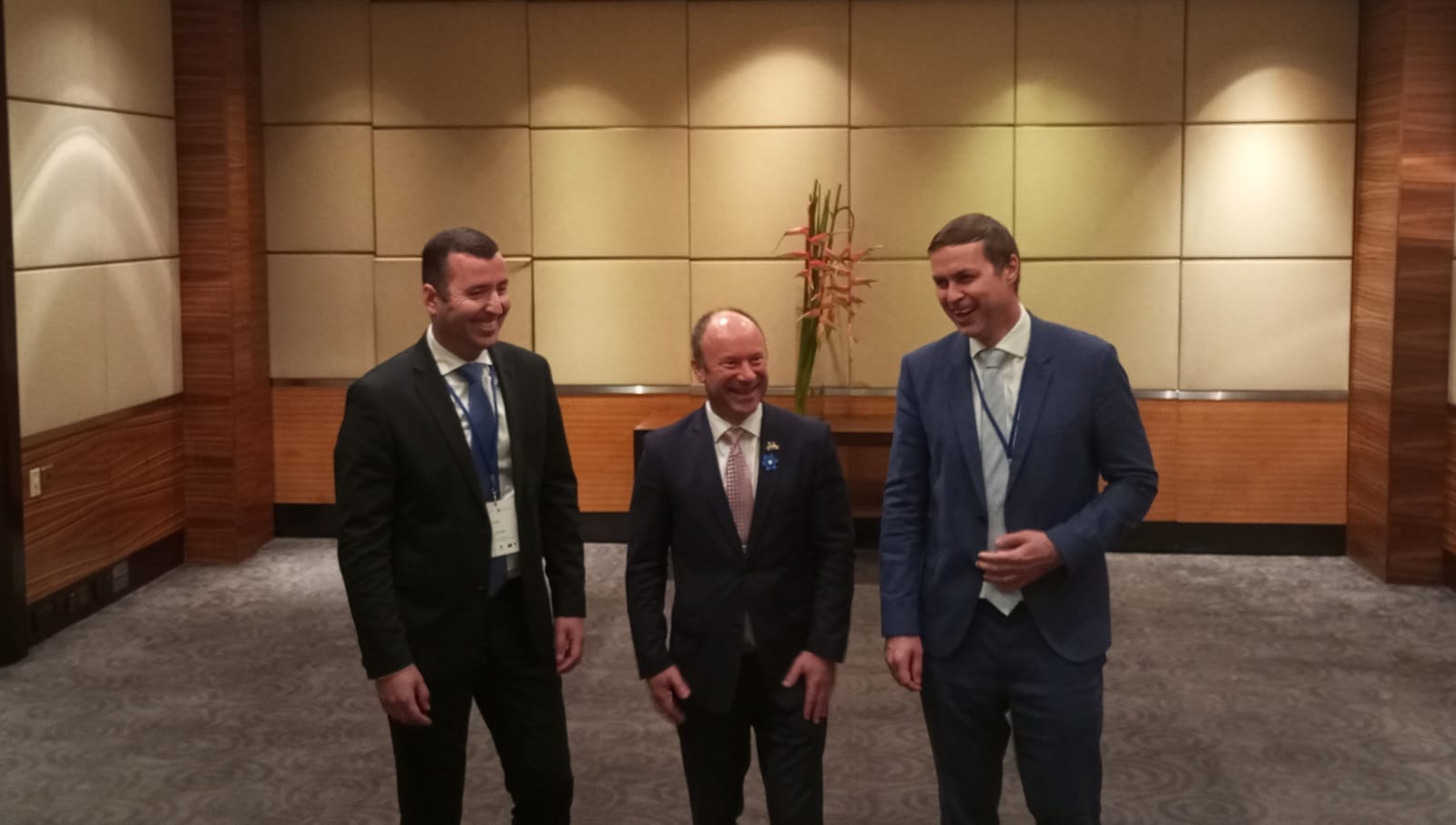
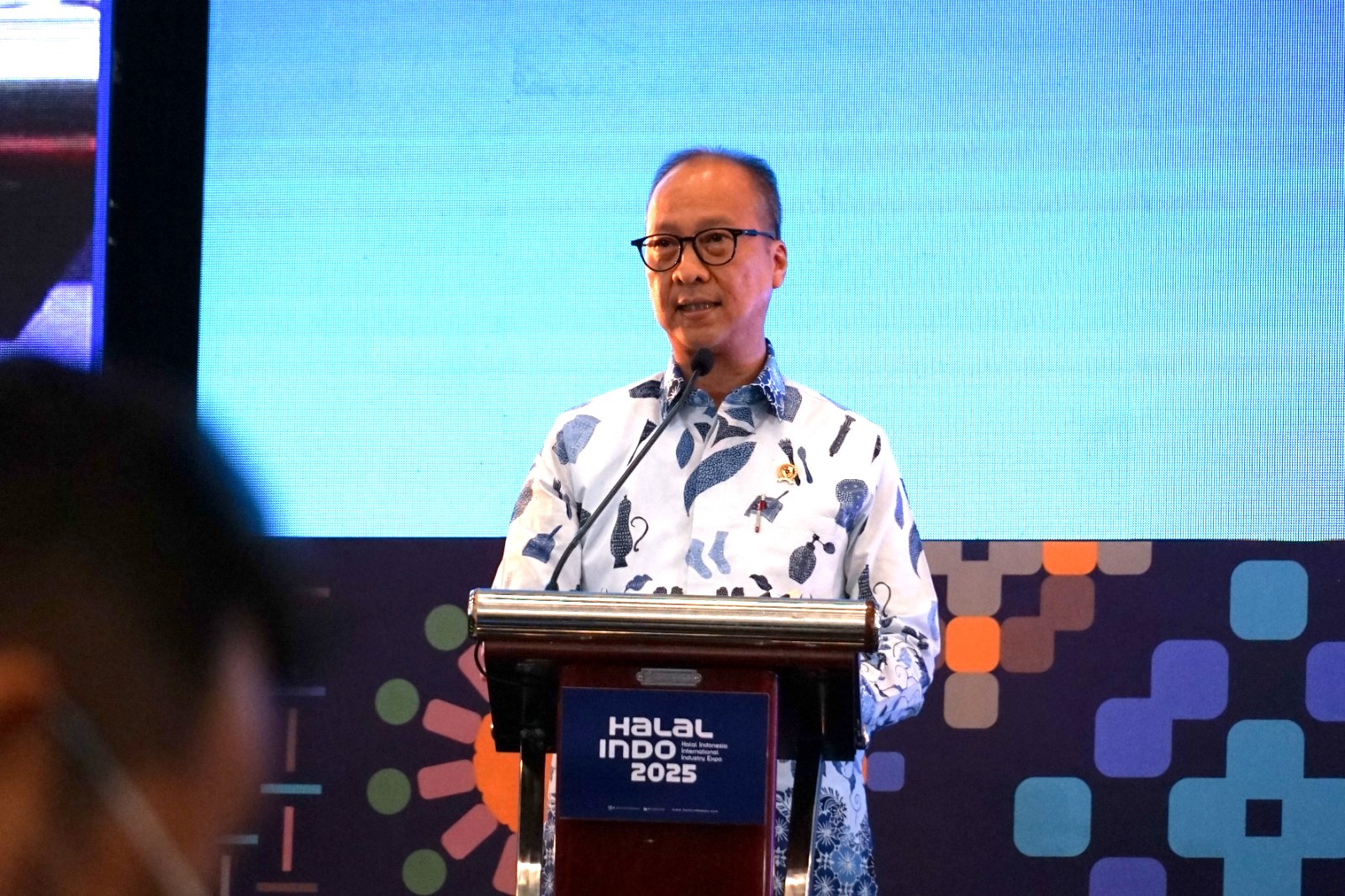
JAKARTA, Jakartaweekly.com — Estonia’s Minister of Infrastructure Kuldar Leis highlighted the significant potential for maritime cooperation between Estonia and Indonesia, amid a push for digital transformation and the development of sustainable shipping solutions.
Leis said that Indonesia as a strategic partner rather than merely a market. He noted that Indonesia’s vast scale, operational complexity, and status as an archipelagic nation create broad opportunities for collaboration in the maritime sector.
“Indonesia is a natural partner for Estonia. We see substantial opportunities for cooperation in the future,” he said at a media briefing in Jakarta on Tuesday, April 28, 2026.
As one of the world’s largest maritime nations, Indonesia combines scale, operational complexity, and a strong regional role, he added.
Indonesia’s focus on port connectivity, digital logistics, smart ports, internal portnet systems, the national logistics ecosystem, and sustainable maritime infrastructure presents clear avenues for cooperation.
Leis said Estonian companies are bringing practical solutions to ongoing discussions with Indonesian stakeholders, including autonomous vessels and AI systems, maritime cybersecurity, port digitalization, vessel retrofit and electrification, methanol storage, shore power, robotics, infrastructure technology, maritime research, and augmented reality navigation.
“We are here to listen, understand local priorities, and identify concrete areas to build tangible maritime cooperation,” he said.
Estonia as a Modern Digital State
Leis noted that Estonia, a small Northern European country on the Baltic Sea, has shaped its development since regaining independence through a strategic decision to build a modern digital state.
Without advantages such as large size, a vast domestic market, or abundant natural resources, Estonia has instead invested in trust, education, technology, and low-bureaucracy governance.
As an example, he pointed to the government’s establishment last year of a Bureaucracy Reduction Committee comprising 15 entrepreneurs from various sectors. The group was tasked with proposing ways to streamline administrative processes.
“We received more than 600 proposals, and within a year, over 200 have been approved, while others are still under parliamentary discussion,” he said.
More recently, the prime minister launched an AI Council Committee involving scientists, researchers, and business leaders, underscoring artificial intelligence as a key national priority.
“While our previous focus was on reducing bureaucracy, we are now moving toward AI development. This is our foundation: secure digital identity, trusted data exchange, interconnected public services, and a public sector that operates online by default alongside citizens and businesses,” he said.
This digital mindset is now shaping the maritime sector as well, from smart ports and vessel traffic systems to cybersecurity, autonomous platforms, green shipping, and data-driven public services.
Leis added that Estonia’s vision is to build a competitive, green, and secure maritime economy—where digital innovation, sustainability, and resilience reinforce one another.
The country has strong capabilities in areas such as AI-based systems, smart navigation, digital port platforms, digital twins, VR-based maritime education, unmanned vessels, cybersecurity, coastal surveillance, and retrofit technologies.
“Through the Estonia Maritime Cluster, we connect companies, ports, research institutions, and the government. This close collaboration enables us to move quickly from ideas to pilot projects, and from pilots to real-world implementation,” he said.
(Read Jakartaweekly.com news on Google News)
Discover more