
Indonesia Vows Public Services Will Not Falter Under New Weekly WFH Mandate
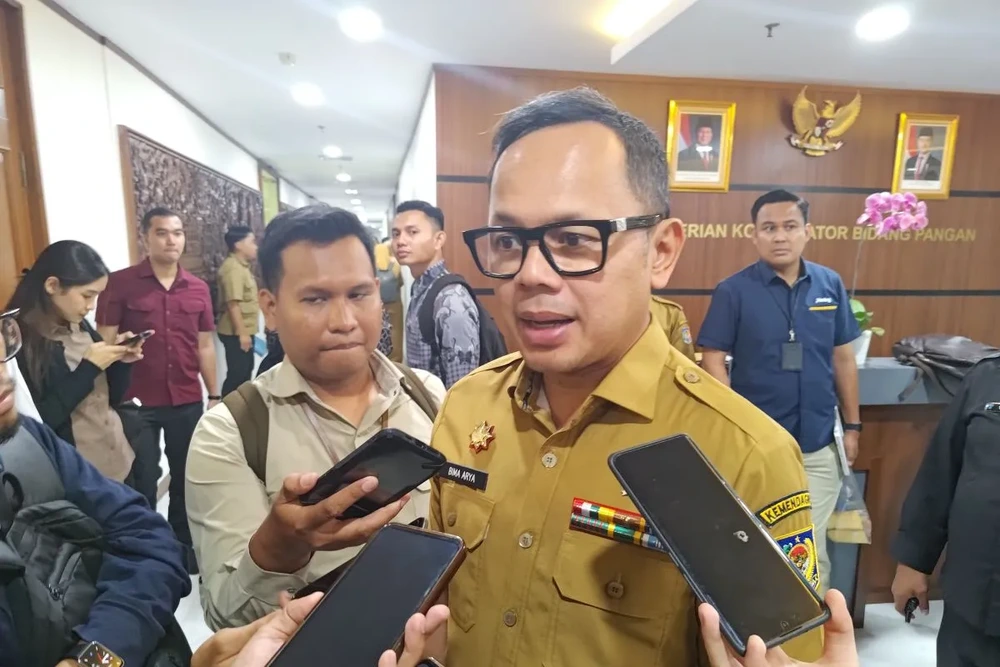
JAKARTA, Indonesia (JakartaWeekly.com) – The Indonesian government is moving to reassure a skeptical public that its plan to return civil servants to remote work will not lead to a collapse in essential services.
As Jakarta prepares to implement a “work-from-home” (WFH) policy—primarily to combat a looming global energy crisis—Vice Home Affairs Minister Bima Arya Sugiarto issued a stern warning to the nation’s bureaucracy: this is an austerity measure, not a vacation.
“The most important thing is that this WFH must not disrupt public services,” Bima Arya told reporters in Jakarta on Tuesday. “We must ensure that all civil servants (ASN) work according to their required output.”
The “Selective” Shift
Under the proposed scheme, government employees—including both permanent civil servants (PNS) and contract-based workers (PPPK)—will work remotely one day per week. However, the policy will not be a blanket rule.
The Ministry of Home Affairs is currently drafting a circular to ensure that frontline services remain fully staffed. Critical sectors such as community health centers (puskesmas), hospitals, transportation departments, and the municipal police (Satpol PP) will be exempt from the full remote-work transition.
Productivity vs. Proximity
The government’s primary concern is that WFH might be misinterpreted as a “national holiday,” leading to a dip in productivity or, paradoxically, an increase in fuel consumption if employees use the time for personal travel.
“We hope this WFH does not encourage ASN to actually leave their houses,” Bima Arya added. He warned that the government would deploy monitoring systems to track performance, with strict disciplinary actions under personnel regulations for those who neglect their duties.
The Energy Efficiency Goal
The policy is a direct response to the volatile global energy market. By keeping a significant portion of the workforce off the roads one day a week, the administration aims to slash national fuel consumption without halting the machinery of the state.
While the public sector mandate is imminent, the government is taking a lighter touch with the private sector. Coordinating Minister for Economic Affairs Airlangga Hartarto previously noted that while the government will lead by example, the policy remains a recommendation rather than a requirement for private firms.
The final green light now rests with President Prabowo Subianto. Once the presidential directive is issued via the Coordinating Ministry for Economic Affairs, the Ministry of Home Affairs will finalize the technical guidelines for regional governments to follow.
“As soon as possible,” Bima Arya said of the timeline. “We are still waiting for the direction from the President.”
Discover more