Luis Fabini and the Traces of Presence in the Land of the Gauchos
JAKARTA, Jakartaweekly.com — For artist Luis Fabini, photography has never been about cameras, lenses, or printing techniques. Instead, he pursues something far more elusive: presence.
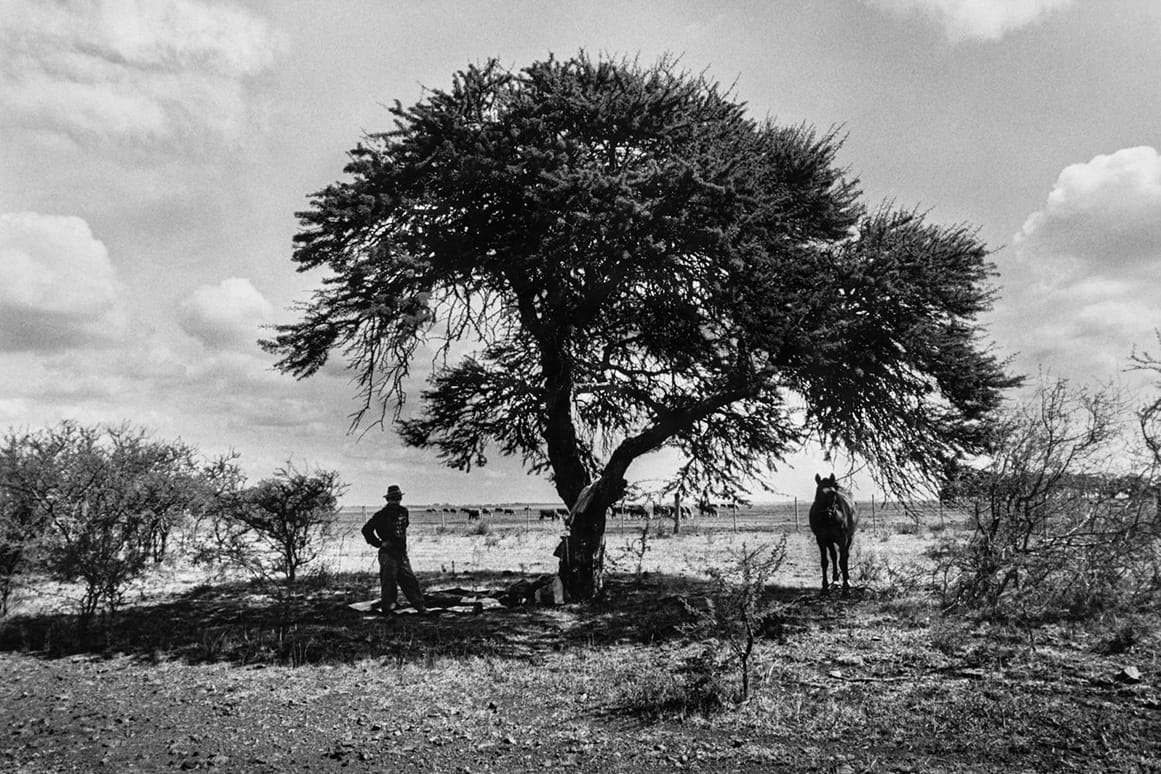
The presence of humans before nature. The presence of a culture enduring against the tides of time. The unspoken presence that connects man, horse, and the earth beneath them.
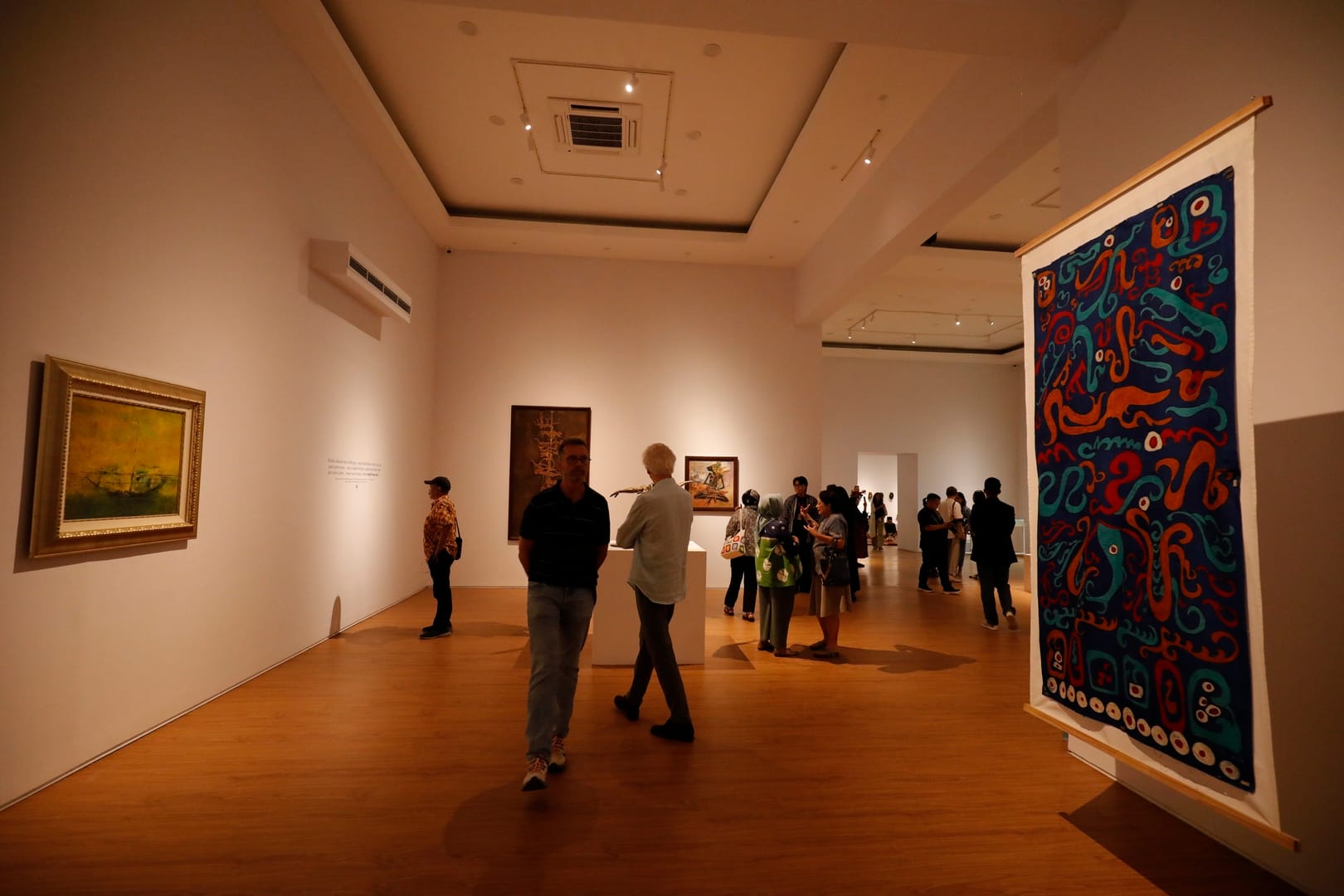
This very philosophy underpins Gauchos, a photographic series now on display in the Panorámica exhibition at the National Gallery of Indonesia. Through 33 black-and-white photographs, the Uruguayan photographer captures the lives of the gauchos—iconic figures of the Uruguayan countryside who have lived alongside the grasslands and ranches for centuries.
Yet, to Fabini, the gauchos themselves are not the ultimate subject. “They are merely a gateway,” Fabini remarked during a virtual press conference via Zoom.
“What fascinates me most is the human condition. How they live, how they connect with nature, and how they understand their place in the world,” he added.
This perspective serves as the common thread throughout his creative journey. He does not photograph to please the market, chase trends, or meet audience expectations.
“I create for myself. Maintaining the integrity of my vision is paramount,” he stated.
Consequently, his work functions more as an effort to document cultural heritage than to produce commercial imagery.
Fabini observes that many traditional communities around the globe are slowly disappearing, even though they still hold knowledge and perspectives highly relevant to the modern world. Through photography, he strives to keep the conversation about these cultures alive.
It was this profound outlook that caught the attention of the curatorial team at the National Gallery of Indonesia when selecting his work for Panorámica.
Alam Wishesa, a curator at the National Gallery of Indonesia, notes that the Gauchos series offers an intimate and honest portrait of Uruguayan rural life.
“Fabini depicts the lives of the gauchos with striking honesty and emotional proximity, revealing the bond between humans, labor, and the land they inhabit,” Alam said.
According to Alam, Uruguay is not presented in this exhibition merely as a distant South American nation, but as a recognizable landscape that evokes universal resonance.
Through everyday interactions—sharing mate, riding horses, and traveling down dirt roads—Fabini built connections that gradually granted him access to the world of the gauchos.
It was these relationships that birthed the 33 photographs on display. “These thirty-three photographs serve as visual traces of a way of life that continues to endure today,” Alam remarked.
The Gauchos Project: Born from a Personal Quest
Interestingly, Fabini said the Gauchos project did not stem from meticulous artistic planning, but rather from a deeply personal search.
Before establishing himself as a documentary photographer, Fabini worked in fashion and commercial photography. He had also worked as a mountain guide across various regions of Latin America.
However, the year 2000 brought a major turning point. Within a short span of time, his father passed away, and he decided to leave his career behind. Fabini notes that these circumstances left him in an existential crisis.
During this period, he encountered Moriyama Roshi, a Japanese Zen master who would ultimately alter the course of his life.
Fabini entered a Zen monastery, practicing zazen meditation for hours each day. He refers to this period as the time of the “White Wall,” spending months facing a wall in an effort to understand himself.
It was amidst this silence that the concept of the gauchos emerged. Long-buried childhood memories slowly resurfaced.
He recalled the atmosphere of Uruguayan ranches, the campfires before sunrise, the aroma of grilled meat, the men sipping mate, and the horses being prepped before dawn.
“To me, the gaucho spirit is the spirit of freedom,” he said.
These memories drew him back to northern Uruguay, a region renowned for its vast grasslands and resilient ranching traditions. The journey itself was far from romantic.
At the time, Fabini lived like a monk and had virtually no money. With about US$20 in his pocket, he hitchhiked from place to place to meet the gauchos.
What he discovered, however, was far more than just a photographic subject. As the son of a diplomat who grew up moving from country to country, Fabini admitted he always felt rootless.
“I have always been drawn to people who share a deep, visceral connection to where they come from,” he said.
The answer he was searching for finally came from an old gaucho around 70 years of age.
When Fabini asked, “Who is a gaucho?”, the old man paused for a few minutes before offering a concise reply: “The gaucho is the land we walk on.”
That sentence illuminated his artistic pursuit. “That was the moment I realized what I was truly looking for was the relationship between man, horse, and the earth they live on,” he said.
This realization later expanded into a massive project titled Cowboys of the Americas, which took him across eight countries over the course of a decade.
Yet, the core of that entire journey remained identical to what is seen in Gauchos: humanity’s relationship with nature. Because of this, Fabini never entered a community just to take pictures.
Instead, he chose to cook with them, ride horses, share meals, and live alongside them before ever lifting his camera.
For him, the most crucial element is building a rapport with people. Once that connection is established, his subjects no longer view him as an outsider.
That, Fabini believes, is when a true photograph is born. Not a contrived image, not a staged pose, but a portrait emerging entirely from trust. He emphasizes that this is where the true power of Gauchos lies.
These photographs do not merely showcase Uruguayan riders; they offer a reflection on identity, belonging, and humanity’s bond with nature—something that has become increasingly rare in a world moving at an ever-accelerating pace.
Through the gauchos, Luis Fabini, in the end, is not just telling a story about Uruguay. He is telling a story about humanity.
Discover more