Oil at $200? Jakarta Stocks Braced for Impact as Middle East Tensions Threaten Global Energy Arteries
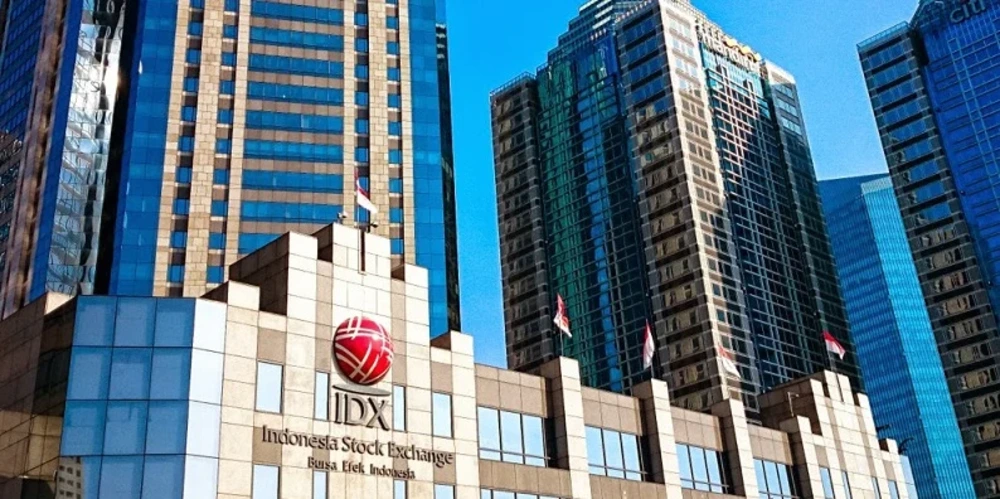
JAKARTA, Indonesia (JakartaWeekly.com) – Indonesia’s benchmark stock index is treading water as a perfect storm of soaring energy costs and geopolitical brinkmanship in the Middle East sends ripples through global markets.
The Jakarta Composite Index (IHSG) opened with a cautious gain of 0.13 percent to 7,398.85 on Thursday, but analysts warn the uptick is fragile. With the Strait of Hormuz effectively a flashpoint, the prospect of triple-digit oil prices is weighing heavily on investor sentiment just as the country prepares for the long Eid al-Fitr holiday break.
The $200 Threat
Global energy markets are in a state of high alert following attacks on vessels in the Strait of Hormuz. Despite the International Energy Agency (IEA) releasing a record-breaking 400 million barrels from emergency reserves—far eclipsing the 182 million barrels released during the 2022 crisis—prices continue to climb.
As of Thursday morning, Brent crude surged over 8 percent to touch US$99.35 per barrel, while West Texas Intermediate (WTI) followed suit at US$94.19. The mood grew darker as Iran issued a stark warning: should the conflict escalate further, oil prices could skyrocket to US$200 per barrel.
“IHSG will find it difficult to climb higher ahead of the long holiday next week,” noted Liza Camelia Suryanata, Head of Research at Kiwoom Sekuritas Indonesia. She suggested the best-case scenario is a “sideways” movement, provided the index holds its critical support levels between 7,335 and 7,120.
The Inflation Lag
Adding to the jitters is the latest data from the United States. While U.S. consumer price inflation rose 2.4 percent year-on-year in February, market observers are concerned that these figures do not yet reflect the most recent energy spike. This lag has stoked fears that the Federal Reserve may be forced into a “tighter for longer” monetary policy to rein in secondary inflationary effects.
A New Guard at the OJK
Amidst the external volatility, Indonesia’s domestic financial landscape is undergoing a significant leadership transition. Commission XI of the House of Representatives (DPR) has officially selected Friderica Widyasari Dewi as the Chairperson of the Financial Services Authority (OJK) for the 2026–2031 period.
The appointment, alongside four other commissioners, is set to be ratified in a plenary session today, March 12. The new leadership arrives at a pivotal moment, tasked with navigating Indonesia’s financial stability through a period of intense global uncertainty.
Regional Contagion
Jakarta is not alone in its anxiety. Broad sell-offs characterized European markets on Wednesday, while Asian bursa followed the downward trend this morning. Japan’s Nikkei plummeted 1.49 percent, and Hong Kong’s Hang Seng shed 0.80 percent, reflecting a collective hedge against a possible energy-led recession.
On the fiscal front, Indonesia reported a budget deficit of Rp135.7 trillion (0.53 percent of GDP) as of February. Finance officials maintain that the deficit is “by design,” as the government accelerates spending early in the year to maintain economic momentum, even as state revenues remain positive and debt financing has dropped 33 percent compared to last year.
Discover more